
Air Duct Cleaning: Repair or Replace? How University City Homeowners Decide
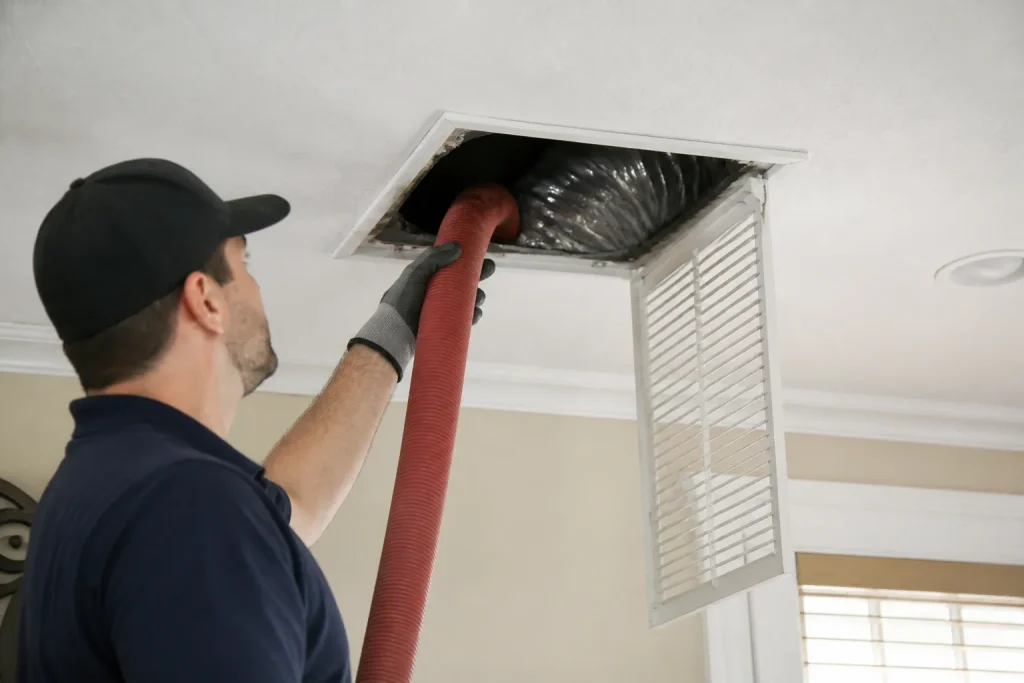
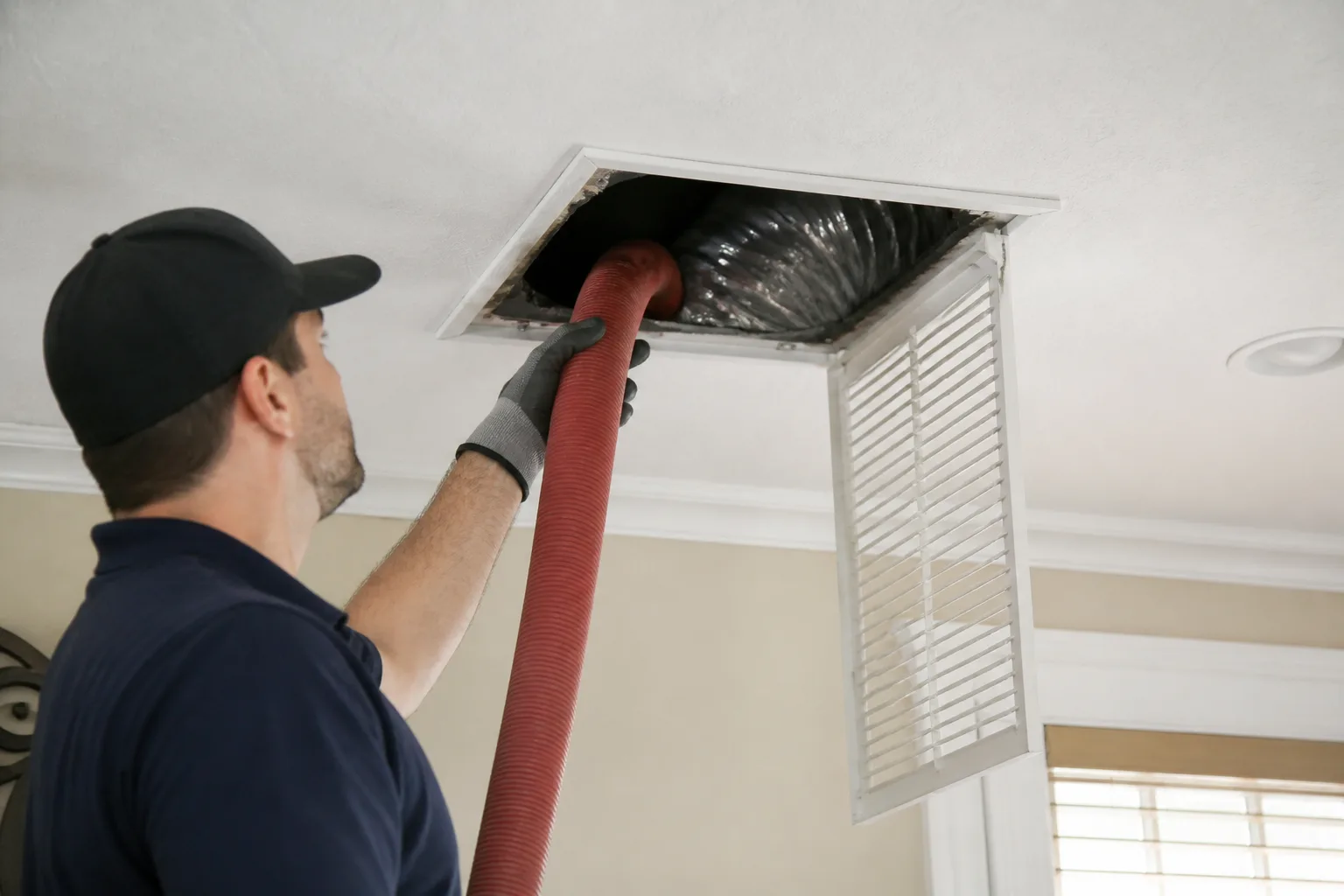
Most duct problems in University City don’t announce themselves. The system still runs, the house still heats, and the only clue is a room that never quite catches up or a dust film that returns too fast. Cleaning is often where the truth surfaces: once the vacuum is pulling negative pressure through the whole pathway, every disconnected joint, crushed flex run, and quiet leak shows up. So the real question isn’t whether your ducts need attention. It’s whether that attention should be a repair, a section replacement, or a full replacement.
Why a cleaning visit often turns into a diagnosis
A proper cleaning pressurizes and depressurizes the system, and that’s when the weak points speak up. As the equipment moves air through the ducts under controlled negative pressure, technicians watch for spots where suction drops, where dust gets pulled from the wrong direction, or where a run that should be sealed is quietly drawing attic air. In University City homes, that inspection step is where a routine cleaning becomes a repair conversation.
What we’re looking for falls into two buckets. A minor breach is a single loose joint, a small tear at a boot, or a sealant gap you can reach and fix. A systemic failure is different: multiple disconnected runs, collapsed or crushed flex, duct board that’s water-stained and sagging, or a layout where the trunk can’t deliver balanced airflow no matter how clean it is. One is a repair. The other usually points toward replacement of a section or the whole pathway. Knowing which one you’re looking at is the entire decision.
- Minor breach: one joint, one boot, one small sealant gap. Repair.
- Localized failure: a single crushed or disconnected run. Section replacement.
- Systemic failure: widespread leakage, sagging duct board, or a layout that can’t balance. Full replacement or major rework.
The conditions that make repair the sound choice
Repair wins when the duct system is fundamentally sound and the problem is localized. If the runs are continuous, the joints are mostly tight, and the failure is a handful of spots, sealing and repairing is the more cost-effective path. That’s especially true when the trunk line and layout are working, and the issue is really about leakage rather than restriction.
In University City, older homes often have rigid sheet metal that’s held up well for decades with only a few seams that need attention. Repairing those seams and re-sealing boots is a sensible investment when the rest of the system checks out. Duct repair and sealing is one of our five core services for exactly this reason: it addresses the root cause of energy loss and contamination re-entry rather than just cleaning what’s already compromised. When the diagnosis is “leaky but sound,” sealing is the answer, and it’s usually the least disruptive option on the list.
When replacement is the more cost-effective path
Replacement starts making financial sense when repair becomes a moving target. If a technician is sealing one joint every few feet, or if the flex runs are crushed beyond recovery, you’re paying to patch a system that will keep failing. At that point the honest comparison is repair-now-versus-replace-once, not repair-versus-nothing.
The clearest replacement signals in University City attics:
- Multiple disconnected or crushed runs that can’t be reconnected cleanly.
- Duct board with water staining, sagging, or mold growth from humidity cycling.
- Undersized or badly routed trunk lines that no amount of sealing will balance.
- A patchwork history where previous repairs keep coming apart.
When those show up together, section replacement or a full rework is the more durable spend. Our technicians have up to 15 years of experience reading exactly this kind of system, and the goal is to give you the honest call, not the most expensive one.
How duct age, material, and NC attic conditions change the math
Material type drives the decision more than anything else. In University City, the mix you’ll find in local attics falls into three groups, and each fails differently. Rigid sheet metal is durable and usually repairable, though decades of heat cycling can loosen seams. Flex duct is the most common in newer construction, and it kinks, sags, and collapses when it isn’t supported properly, which makes section replacement common. Duct board insulates well but degrades fast when it gets wet or stays humid.
North Carolina attic conditions matter here. The swing between humid summers and cold winters puts stress on every joint and seal, and attics that run hot and damp accelerate it. That’s why a duct board run that looks “fine” on the surface can be failing from the inside, and why flex that wasn’t hung correctly fails faster than its material should. If you’re comparing quotes, ask what material the replacement uses and how it’ll be supported and sealed, because the material is the part that determines how long the fix lasts.
What leakage testing can tell you before you decide
Before committing to replacement, it’s worth knowing how much leakage is actually present. A blower door test combined with duct leakage testing quantifies how much air the system is losing and where. That data turns “the ducts feel leaky” into a number you can compare against repair or replacement costs.
Is that testing worth paying for? In our experience, yes when the choice is close. If you’re weighing sealing an older system against replacing it, leakage numbers tell you whether sealing can realistically close the gap. If the diagnosis is already clear from the cleaning inspection, testing is often less useful. On larger or more complex systems, or where a significant spend is on the table, having the leakage numbers from a professional-grade setup (we run University City Air Duct Cleaning equipment built for this kind of measurement) makes the repair-or-replace call far more defensible. Our technicians are trained on Abatement Technologies air filtration and remediation gear, which matters when indoor air quality is part of the problem.
When to call a pro (and why it beats a DIY guess)
If you’ve found disconnected runs, crushed flex, or water-stained duct board, that’s a professional call. Sealing and reconnecting ductwork properly takes the right equipment and a working knowledge of airflow, and a bad DIY seal can make a restriction worse. The same applies if anyone in the home has persistent allergy symptoms that improve when they leave the house, or if you’ve had recent renovation dust settle into the system.
The value of a professional diagnosis is that it separates a $200 repair from a full rework before you spend on either. University City homeowners get the most out of that visit when it’s thorough and includes the whole pathway, from intake to exhaust. If you’re not ready to DIY the diagnosis, call (888) 972-5826 and we’ll walk you through what to expect. You can also read more about air duct cleaning and how the diagnostic cleaning visit actually works.
Related services in University City: If the cleaning inspection points to problems elsewhere in the system, HVAC cleaning covers the equipment side, and dryer vent cleaning handles the exhaust run that’s a separate fire-safety concern.
The Bottom Line
Repair when the system is sound and the failure is localized. Replace a section or the whole pathway when the failures are widespread, the material is degraded, or the layout can’t be fixed by sealing. Get leakage numbers before a major spend, and compare quotes on the basis of system performance, not line-item price. In University City, the right answer depends on what the diagnosis finds, not on a template. If you’re in University City and need help, University City Air Duct Cleaning offers free estimates – call (888) 972-5826 and we’ll spell out your options in plain terms.
Frequently Asked Questions
Repair if the failure is localized and the system is otherwise sound; replace a section or the full pathway if failures are widespread, the material is degraded, or the layout can’t be balanced. A cleaning inspection and, where useful, leakage testing makes the call clearer. Call (888) 972-5826 for an exact quote – estimates are free.
A minor breach is one loose joint or a small tear; a systemic failure involves multiple disconnected runs, crushed flex, or water-damaged duct board. If a technician is finding new problems every few feet, that’s the sign you’re in systemic territory. Call (888) 972-5826 for an exact quote – estimates are free.
It’s worth it when the repair-versus-replace decision is close or the system is large and complex. The numbers let you compare sealing costs against replacement costs with real data. If the diagnosis is already obvious from the cleaning inspection, the testing adds less value. Call (888) 972-5826 for an exact quote – estimates are free.
There’s no single schedule that fits every University City home. Older systems, homes with recent renovations, and properties with allergy concerns benefit from a review sooner. A cleaning visit is a natural time to check the system’s condition. Call (888) 972-5826 for an exact quote – estimates are free.
Get Your Ducts Assessed
If the cleaning inspection turns up a problem, you deserve a clear answer about repair versus replacement and a written plan for the work. Call (888) 972-5826 for a free estimate. We answer 24/7. Fast dispatch from 7am to 7pm, Sunday through Friday.
Written by the team at University City Air Duct Cleaning.
Need Air Duct Cleaning Help?
Call University City Air Duct Cleaning - the local pro we connect you with is licensed and insured, here with fast help in University City.
(888) 972-5826