
Last updated November 22, 2026
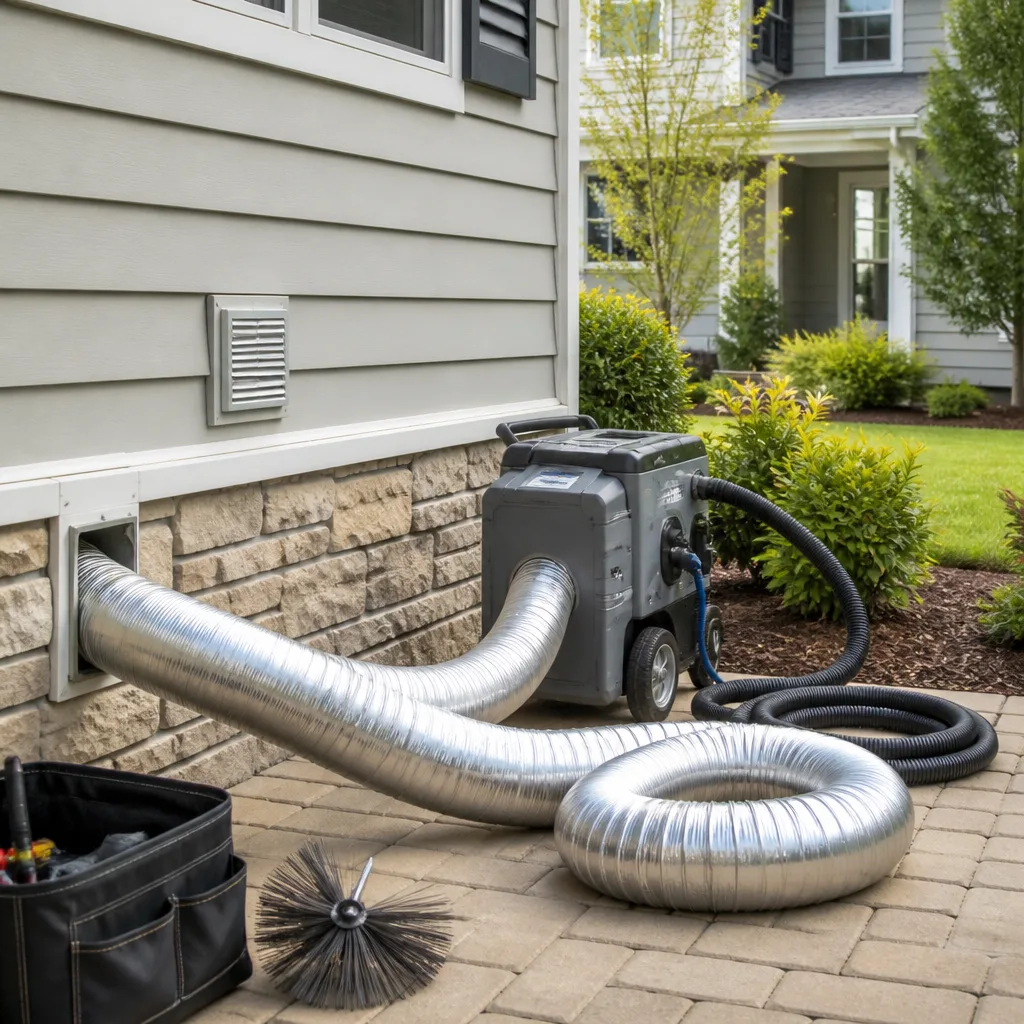 Whole-home duct cleaning
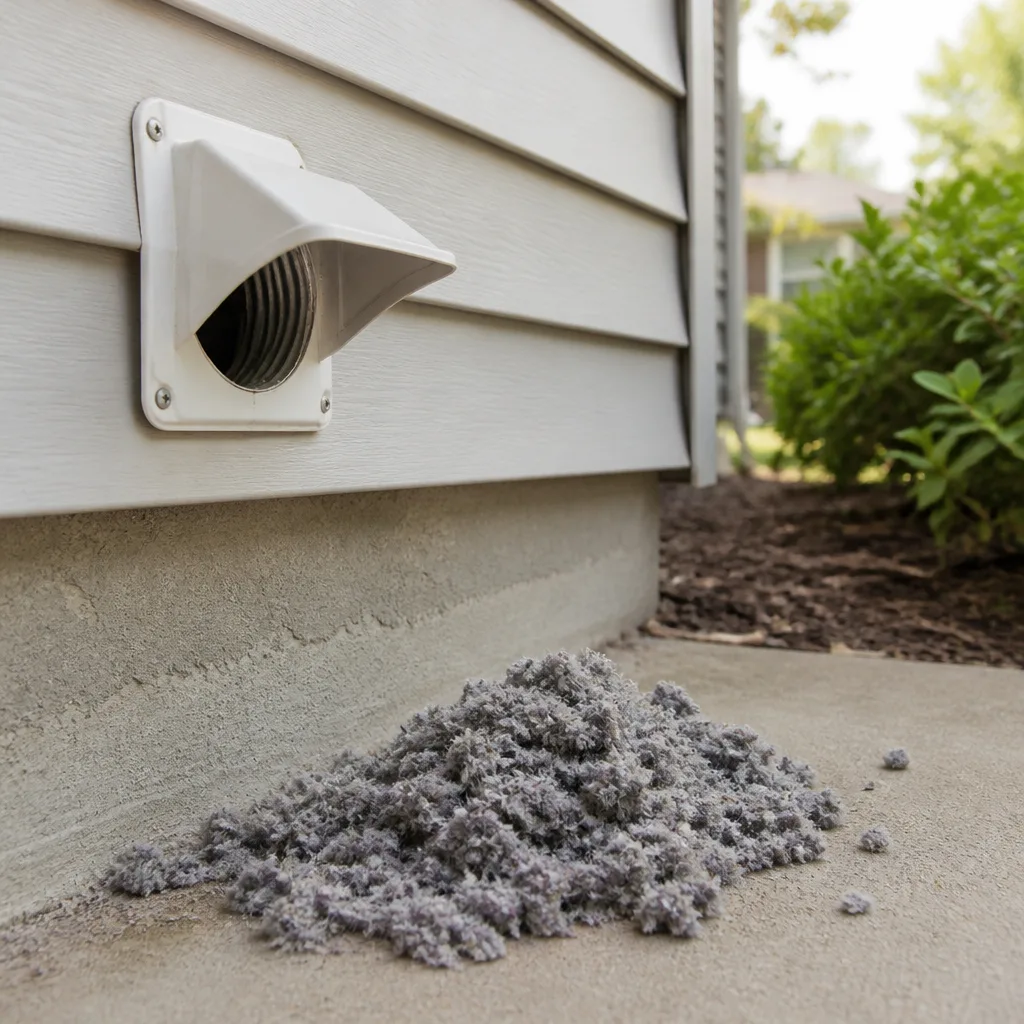 Dryer vent cleaning
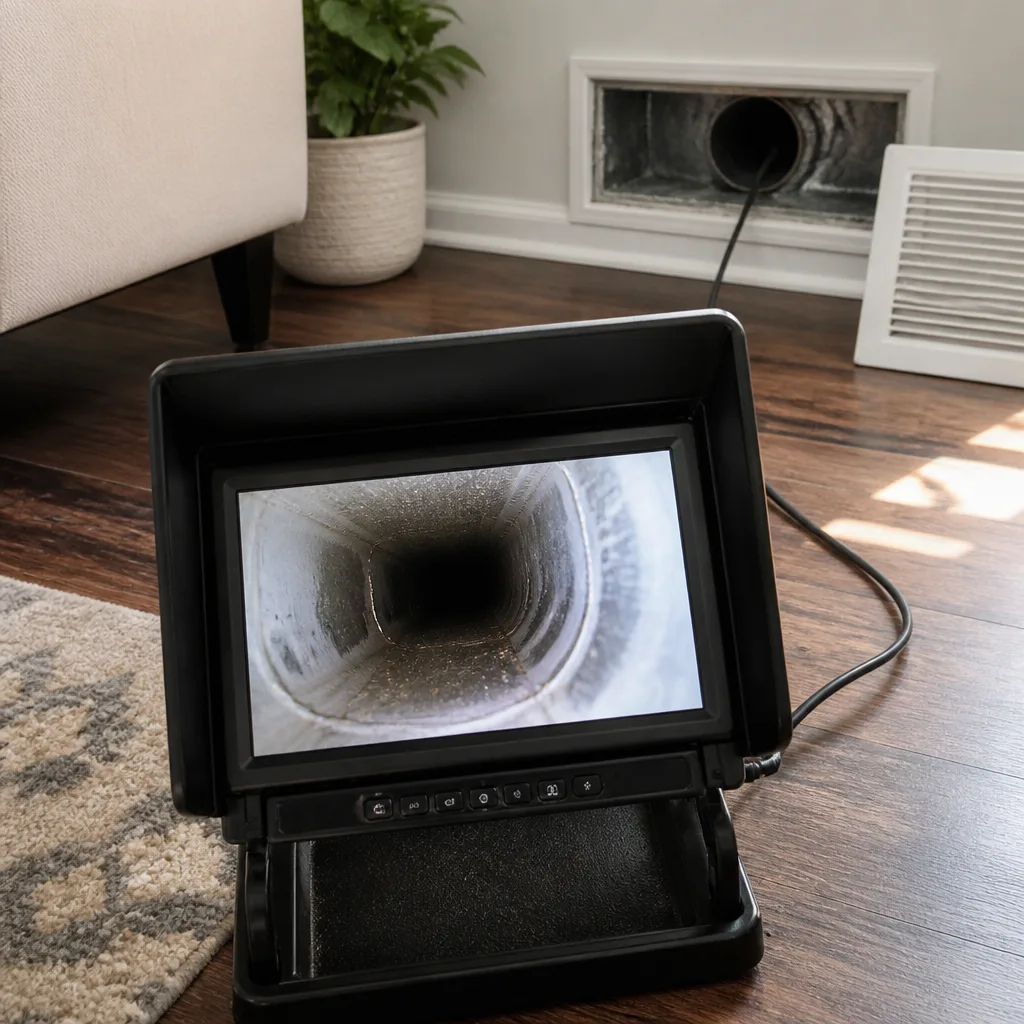 Camera inspection
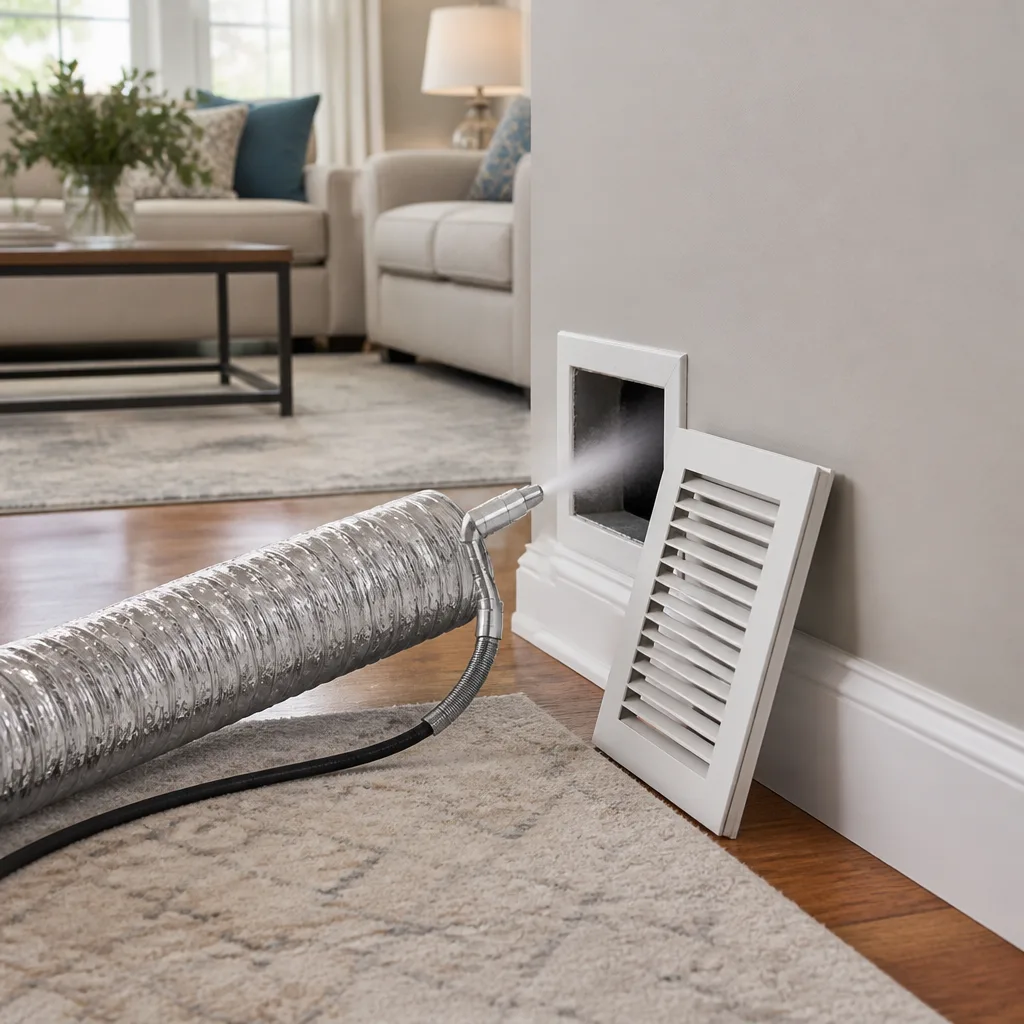 Sanitizing & deodorizing
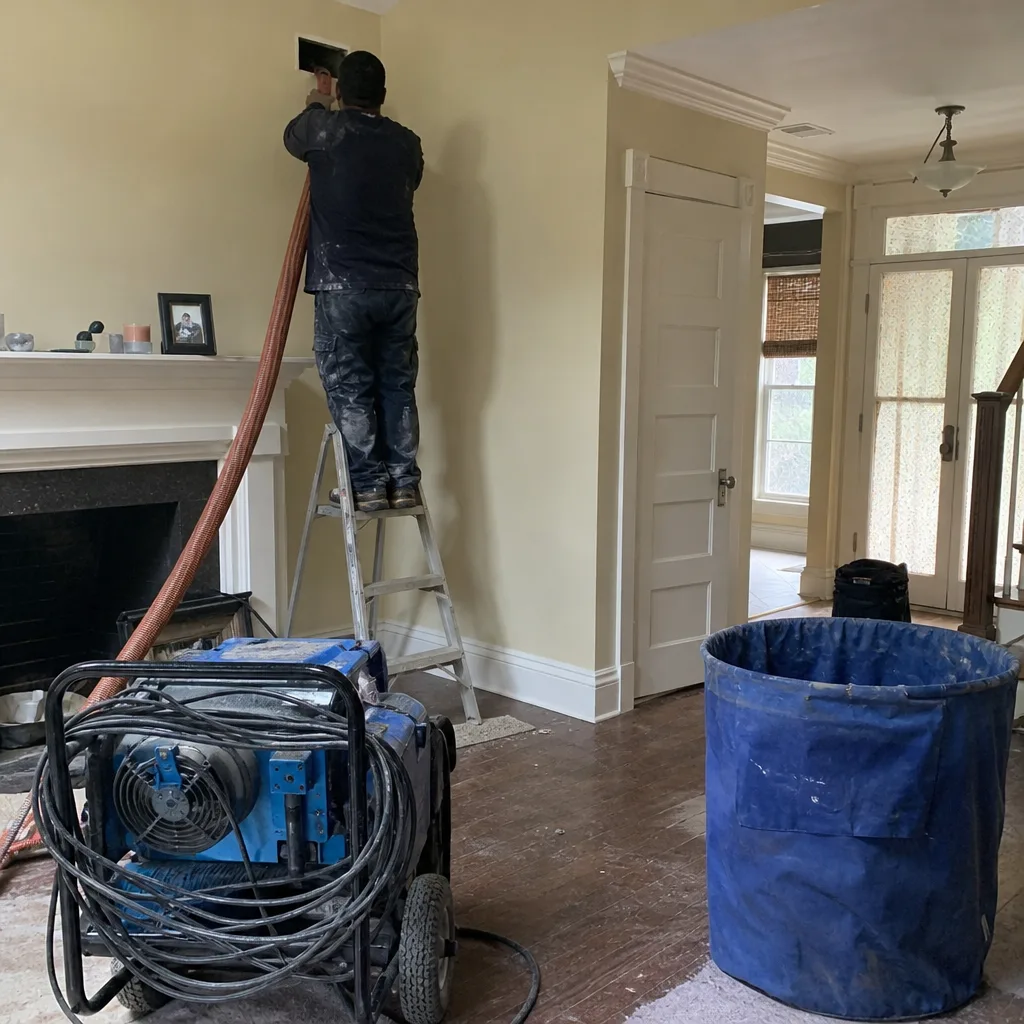
Whole-system duct and dryer vent check with before-and-after photos - you see exactly what came out of your vents
That "$99 whole-house special" is a bait ad - the real number appears once they are in your hallway, or the "clean" is a shop-vac at the register. We photograph the inside of your ducts before and after instead.
Air Duct Cleaning Warning Signs: A University City Homeowner’s Reference Guide
That thin gray ring forming around a supply register isn’t simply dust settling on the paint. It’s a pressure-differential fingerprint. Air escaping at the seam between the grille and the drywall carries particulate with it, and the pattern of deposit tells a technician how much is moving through the duct, at what velocity, and roughly where it’s coming from. The mark usually shows up weeks before anyone notices an odor or a stuffy room. Most warning-sign articles wait until the damage is obvious. This guide goes the other direction, walking University City homeowners through the early indicators you can read at the register, the grille, and the air handler yourself.
Quick Answer
Air duct cleaning is worth scheduling when you can see a recurring gray or black ring around supply registers, when your HVAC system runs noticeably longer per cycle than it used to, when a musty or construction-type smell appears only when the blower kicks on, or when you notice condensation on ductwork in the crawl space. Any one of those signs is a reason to get the system inspected. Two or more together usually means the ductwork is loaded with particulate or has lost its seal, and the difference between those two problems decides whether you need cleaning or repair.
Styles & brands we work with
- Whole-home duct cleaning
- Dryer vent cleaning
- Camera inspection
- Sanitizing & deodorizing
Table of Contents
- Reading Your Supply Registers: What Deposit Patterns Tell You
- Your HVAC Runtime as an Early Warning Number
- Decoding Duct Odors: Microbial, Construction, and Pest
- Warning Signs in University City Homes With Crawl Space Ductwork
- Tracing Contamination Back to Its Source
- When Cleaning Is Enough and When You Need Duct Repair
- How a Proper Duct Inspection Actually Works
- Subtle Signs Most Homeowners Overlook
Reading Your Supply Registers: What Deposit Patterns Tell You
A register grille is the one place in your home where the inside of your ductwork announces itself. Air exits at the highest velocity it will see anywhere in the system, and any particulate it carries tends to drop out of the airstream right at the edge where it meets the room. That’s why the ring forms there and not on the duct behind it.
Color matters as much as placement. Here’s how we read the common patterns:
- Uniform light gray film across the whole grille usually means ordinary household dust and lint. This is normal. Clean the grille and watch how fast it returns.
- A dark ring hugging the perimeter of the frame, especially one that comes back within a few weeks of wiping, points to active particulate movement. Something upstream is shedding or the duct is holding a reservoir of debris and the airstream keeps lifting it.
- Black or sooty streaking radiating outward from the louvers can indicate a filtration problem at the air handler, a bypass around the filter frame, or in some cases combustion byproducts that warrant a closer look at the appliance side.
- White or chalky crust on the grille face often points to efflorescence, which means moisture. Ducts don’t normally produce that crust; condensation somewhere in the run does.
- Rust-colored speckling suggests ferrous metal components in the airstream are corroding, which usually traces back to humidity in unconditioned duct sections.
Take a photo of the pattern before you wipe it and note the date. That single record, repeated three or four times over a season, tells a technician more about your system’s loading than a one-time visual inspection. University City homes with a mix of older and newer construction see this variation clearly, and a photo timeline is the fastest way to compress the diagnosis. When you’re ready to have the register evidence read in person, our air duct cleaning team walks the system room by room rather than treating it as one uniform job.
Your HVAC Runtime as an Early Warning Number
Your thermostat or a utility app is quietly the best diagnostic tool in the house. A system that ran 30 minutes per cycle two winters ago and now runs 35 or 40 minutes on the same outdoor temperature is telling you airflow has changed. A 15 percent increase in runtime per cycle, with no change in the weather and no change in the setpoint, is the classic early signal of restricted airflow from duct loading, a failing filter, or a collapsed flex run.
Here’s a simple method any homeowner can run:
- Pick a mild day with a temperature near your usual setpoint.
- Note the outdoor temperature and your thermostat setpoint.
- Time how long the blower runs from start to shutoff on one complete cycle.
- Repeat on a day with a similar outdoor temperature a month later.
- Compare the two numbers. A meaningful increase with no other change deserves attention.
What you’re watching for is drift, not a single reading. Restricted airflow from a loaded duct system forces the blower to work against higher static pressure. That raises energy use, shortens equipment life, and can cause evaporator coils to freeze in summer or heat exchangers to run hotter than intended in winter. None of those outcomes show up until they’re expensive. The runtime number shows up first.
If you see the runtime climb while the filter is clean and the thermostat behaves normally, the next step is a static pressure check by a technician and a look inside the main trunk line. That’s a job for professional equipment, not a flashlight taped to a phone. Our HVAC cleaning service includes exactly this kind of system-level look, and the technicians who perform it have up to 15 years of experience reading airflow problems in homes around University City.
Decoding Duct Odors: Microbial, Construction, and Pest
Smell is the most misread duct symptom because everyone treats all odors the same way. The three common causes have distinct profiles, and each one calls for a different response.
Microbial growth
A musty, damp-basement, wet-cardboard smell that appears a few minutes after the blower starts is the signature of microbial growth, usually on the evaporator coil, the drain pan, or the interior liner of return ducts. It tends to be stronger on humid days and after the system has been off for several hours. Cleaning alone rarely solves it unless the moisture source is fixed at the same time, which is why we look at the coil and the drain pan during any inspection.
Construction debris
A drywall-dust, sawdust, or mildly chemical smell that shows up after a renovation is not a mystery. Remodeling work pushes fine particulate into the return system, and it settles in the duct lining. This smell usually fades on its own, but the particulate doesn’t, and it can coat the blower wheel and coil. Post-renovation cleaning is one of the most common reasons University City homeowners call us, especially after a kitchen or bath remodel.
Pest activity
A sharp, uric, ammonia-like odor or a dead-animal smell is almost always pest-related. Rodents, squirrels, and occasionally birds get into ductwork through gaps at the foundation or roof penetrations. This is a cleaning and repair problem at the same time. Cleaning without sealing the entry point just resets the clock.
If the smell appears only when the blower runs, it’s coming from inside the system. If it’s present when the system is off, look elsewhere first. Our air quality and sanitizing service, using professional-grade Abatement Technologies equipment and Guardsman products where appropriate, is designed for exactly this stage: identifying the source before treating it.
Warning Signs in University City Homes With Crawl Space Ductwork
A significant number of homes around University City run supply and return ducts through unconditioned crawl space. That architecture is common and workable, but it makes the duct system far more exposed to humidity, temperature swings, and physical damage than a fully conditioned layout. The warning signs are different from what you’d see in a slab or a basement home.
- Condensation marks on the duct jacket: a white chalky line, a rust streak, or visible water staining on the outer vapor barrier means the duct is sweating. In a University City crawl space, this typically happens where ducts run close to the foundation vents.
- Flex duct sagging between supports: flex runs should stay fairly taut. A sagging run collects debris at the low point and reduces airflow to whatever room it serves. If a room has gone noticeably cooler or warmer than the rest of the house, this is a prime suspect.
- Liner delamination: the internal foil or fiberglass liner on rigid duct can peel away from the wall and drop into the airstream. You may see fragments on top of a register or find them stuck to the blower wheel.
- Disconnected or crushed runs: a run knocked loose during other crawl space work or crushed by stored items causes localized low flow.
- Standing water or damp soil near duct supports: any moisture contact with duct insulation is a future microbial problem.
These are the warning signs most often skipped in a generic checklist because they require looking at the duct system rather than at the living room. If you’re comfortable, a flashlight walk through the crawl space with a phone camera is a legitimate first step. None of the fixes that follow should be handled by anyone but a trained technician, so treat that walk as observation only. Our duct repair and sealing service addresses exactly these crawl space problems, including re-supporting sagging runs and reconnecting and insulating what’s come loose.
Tracing Contamination Back to Its Source
A loaded duct is usually a symptom, not the original cause. Cleaning it without finding the source means you’ll be reading the same warning signs again next year. Here’s how we work backward from what’s visible at the register to what’s actually happening upstream.
- Check the filter first. A filter that’s undersized for the slot, installed with visible gaps, or replaced with a high-MERV media not intended for the system can pass or trap particulate in ways that mimic a dirty duct.
- Inspect the return path. Returns pull air from living space through open grilles or dedicated chases. An open return chase in a wall cavity that also houses plumbing or electrical can draw construction debris and pest activity into the airstream.
- Look at the air handler cabinet. Debris and dust around the blower wheel and coil is often the actual source. Cleaning supply ducts without the cabinet and coil is half a job.
- Check for seal failures. Leaky joints in a duct run draw in unconditioned attic or crawl space air. That air brings moisture, insulation fibers, and outdoor particulate with it. Seal failures are a repair problem.
- Review recent work in the home. A remodel, a roof replacement, an insulation upgrade, and pest control work all introduce particulate or disturb the duct envelope.
When all five checks point to the duct interior itself, cleaning is the right call. When one or more point to a leak, a crushed run, or a failed liner, the answer is repair plus cleaning. That difference matters, and it’s the one most homeowners are never told. Our team uses Rotobrush and Nikro professional duct cleaning systems because they let us clean aggressively without damaging the liner, and that distinction only matters because we inspect first.
When Cleaning Is Enough and When You Need Duct Repair
This is the decision that separates a $400 job from a $2,000 job, and it’s the one most homeowners get wrong because the visible description is identical: “my ducts look dirty.” Here’s how to tell them apart before anyone quotes you a price.
Cleaning is usually sufficient when:
- The register deposits are uniform and return after cleaning but with the same volume and shape.
- No room has a persistent temperature imbalance that a simple register adjustment can’t fix.
- Runtime drift is mild and the filter stays clean for its expected interval.
- There’s no musty or pest odor, and no visible condensation or liner damage in the crawl space.
- Recent activity (renovation, pest treatment, a move-in) explains the particulate load.
Repair or sealing is usually necessary when:
- One or more rooms are consistently warmer or cooler than the rest of the house with registers set the same.
- You can feel air movement at a joint, a boot, or a trunk seam when the blower runs.
- Any section of duct shows sagging, crushed runs, or separated liner.
- There’s visible condensation, water staining, or a history of annual microbial odor.
- Pest activity has been ongoing, meaning entry points must be closed.
In our experience, University City homes with crawl space ductwork often need at least minor sealing at the same time as cleaning. That’s why our duct repair and sealing service sits alongside our cleaning service rather than being treated as a separate department. The clean-then-seal sequence is what keeps the warning signs from returning.
How a Proper Duct Inspection Actually Works
If a company is going to quote you a job based on warning signs, they should also be able to explain what they actually inspect before they quote. Here is the sequence we walk through, and what you should expect any qualified inspector to perform.
- Visual walk-through of every register with notes on pattern, color, and return rate since last cleaning.
- Air handler and coil inspection, usually with a camera, checking the blower wheel, the coil face, and the drain pan.
- Static pressure measurement at the air handler and at representative supply and return registers.
- Return and trunk line camera inspection to check for liner damage, crush points, and pest evidence.
- Crawl space or attic inspection, if applicable, to look for condensation, sagging, and seal failures.
- Filter and filter grille check including slot fit and airflow bypass.
- Written findings that separate what must be cleaned from what must be repaired, with the two quoted separately.
A company that quotes the same price for every home before looking at any of this is quoting a routine, not a diagnosis. You should leave the inspection with a real understanding of what the system is doing. If you want a system-level look at everything from intake to exhaust, that’s the whole point of what we do as a University City Air Duct Cleaning team, and it’s why we run the inspection before we run the equipment.
Subtle Signs Most Homeowners Overlook
The obvious signs (visible dust clouds, a heavy musty smell) get all the attention. The subtler ones are where early intervention actually lives. These are the ones we find most often ignored in University City homes:
- Allergy symptoms that follow the thermostat. If symptoms are worse in rooms that are actively conditioned and better outdoors or in rooms where no register is running, the air pathway deserves a look.
- Dust settling visibly on horizontal surfaces within 48 hours of cleaning. Faster-than-expected dust return is a leading indicator of duct loading or a return-side seal problem.
- High utility bills with a clean filter. A 10 to 15 percent bill increase with no other explanation is runtime drift in dollar form.
- A blower that sounds different. Any change in the pitch or volume of the air handler noise is a real signal. Restricted airflow changes the fan curve and you can hear it before you can measure it.
- Dryer taking noticeably longer to dry a load. This is a sign of a restricted dryer vent, not a dying appliance. It’s also the one sign on this list that’s a safety issue, not a comfort one.
- Cold spots near the register but warm rooms elsewhere. That’s a supply-side flow problem caused by a crushed or disconnected run.
Dryer vent lint buildup is a leading cause of residential house fires, and the “longer dry time” sign is easy to miss because nobody times their dryer. Our dryer vent cleaning service treats this as a safety service, not a comfort add-on, and it’s one of the five core services we offer precisely because it belongs in the same conversation as air duct cleaning.
Common Mistakes to Avoid
- Wiping the register and calling it solved. The ring comes back because the particulate source upstream is untouched. Wiping is for observation, not remediation.
- Replacing the filter with the highest-MERV media available. A filter that’s too restrictive for the system increases static pressure and mimics the exact airflow problem you’re trying to diagnose. Match the media to the system rating.
- Treating odor with sprays or plug-in products. A masking scent on top of a microbial or pest problem defers the fix. Find the source, then treat it.
- Assuming crawl space ductwork is fine because the floors feel normal. Condensation and liner damage rarely show up in floor temperature. They show up in the crawl space, and they compound quickly once they start.
- Booking a cleaning before you understand the diagnosis. Cleaning a duct system with a crushed run or a failed seal is a temporary cosmetic fix. Insist on an inspection that separates cleaning from repair.
- Ignoring the dryer vent because the dryer still works. A vent that’s restricted but still drying clothes is a vent that’s closer to its ignition threshold than its performance numbers suggest.
- Trusting a quote that never left the truck. Any price quoted before the technician has looked at registers, the air handler, and the crawl space is a guess. A written estimate after inspection is the only number that means anything.
See the difference
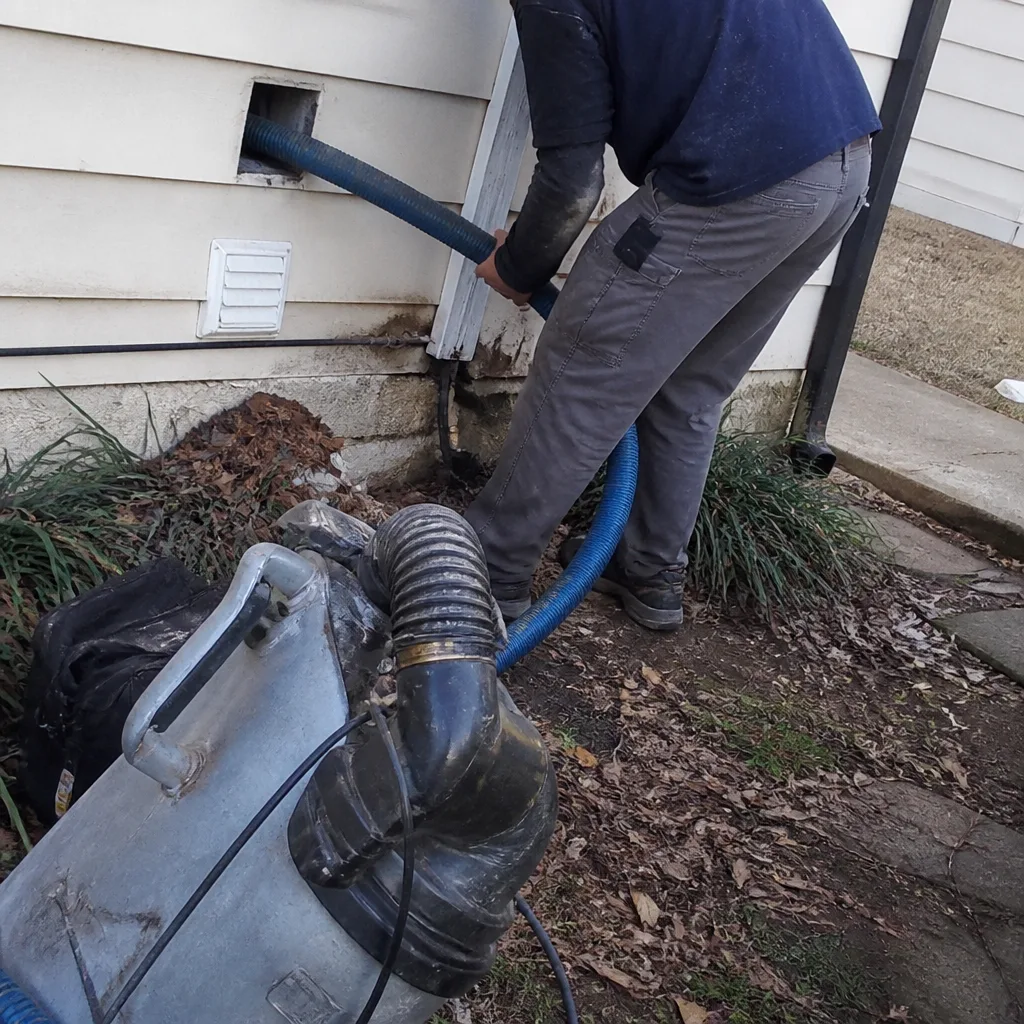 Before
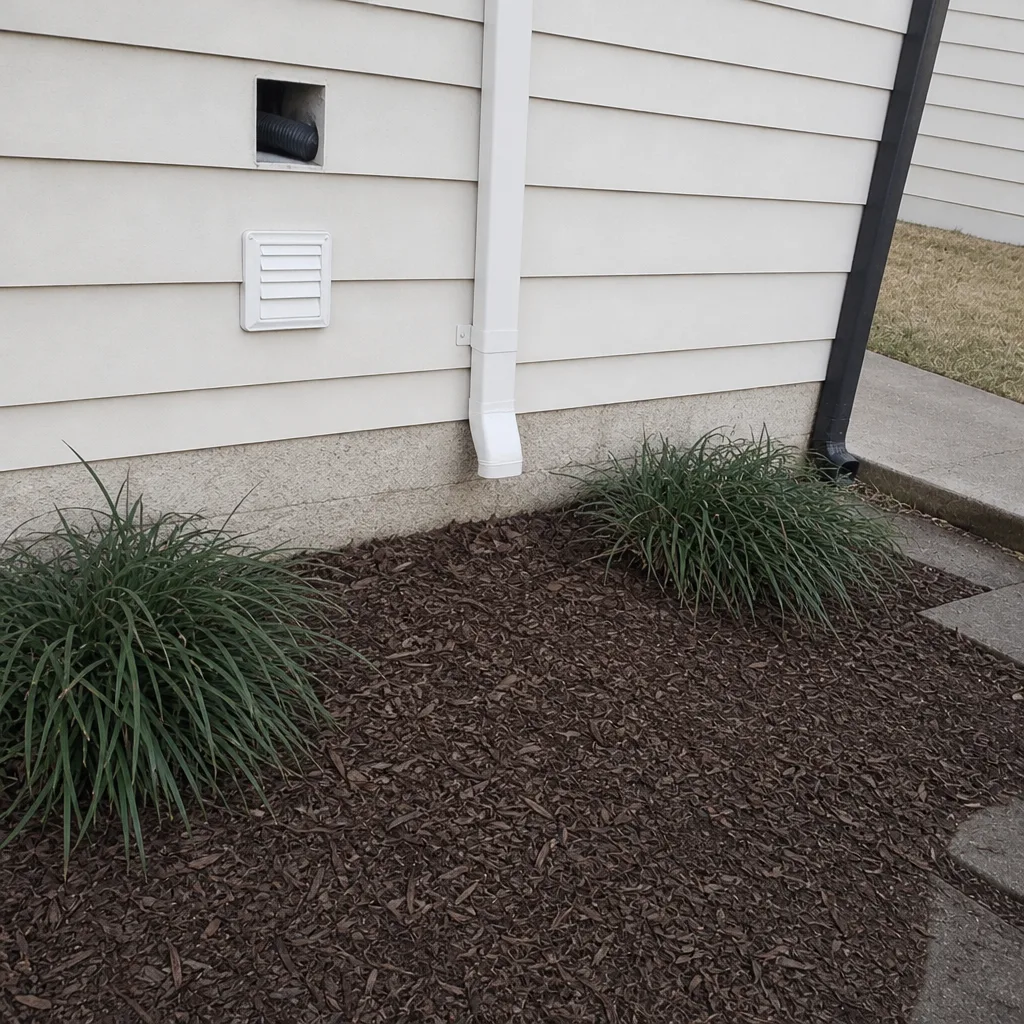 After
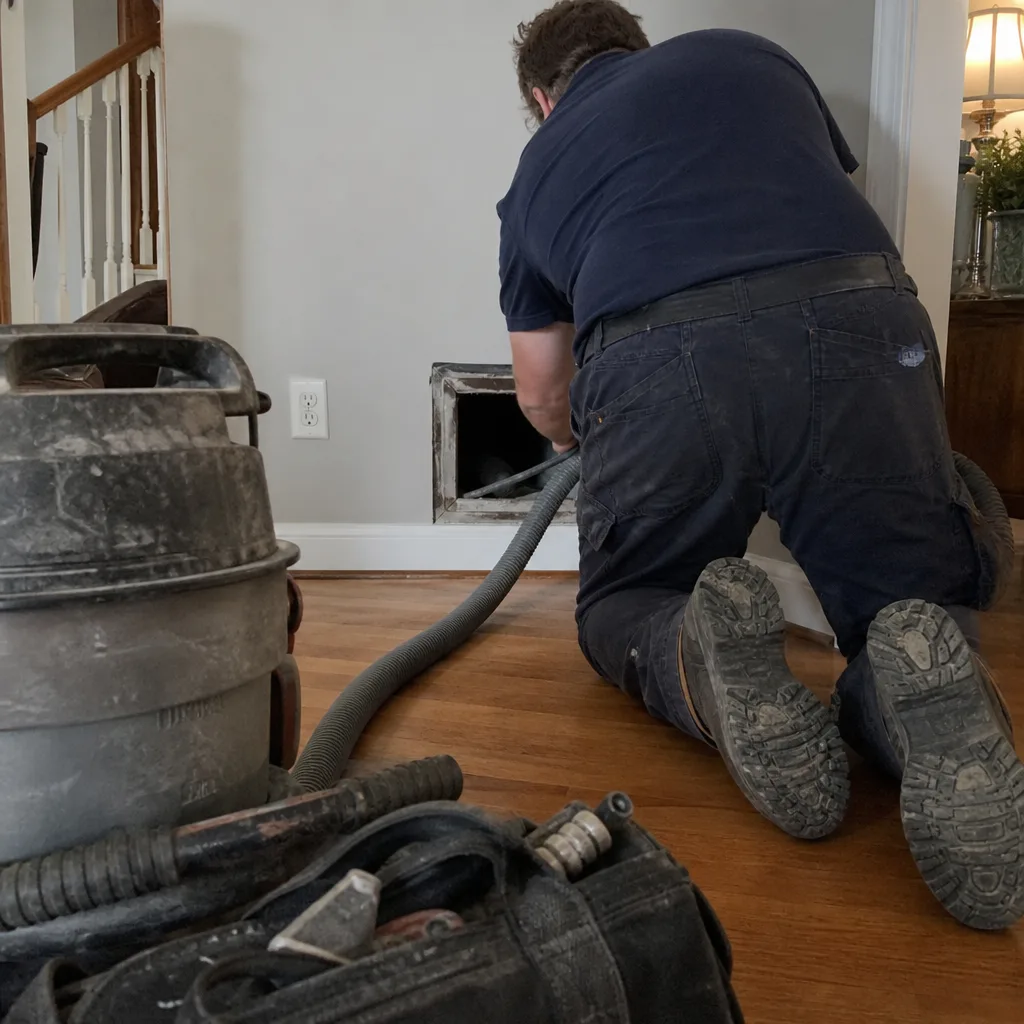 Before
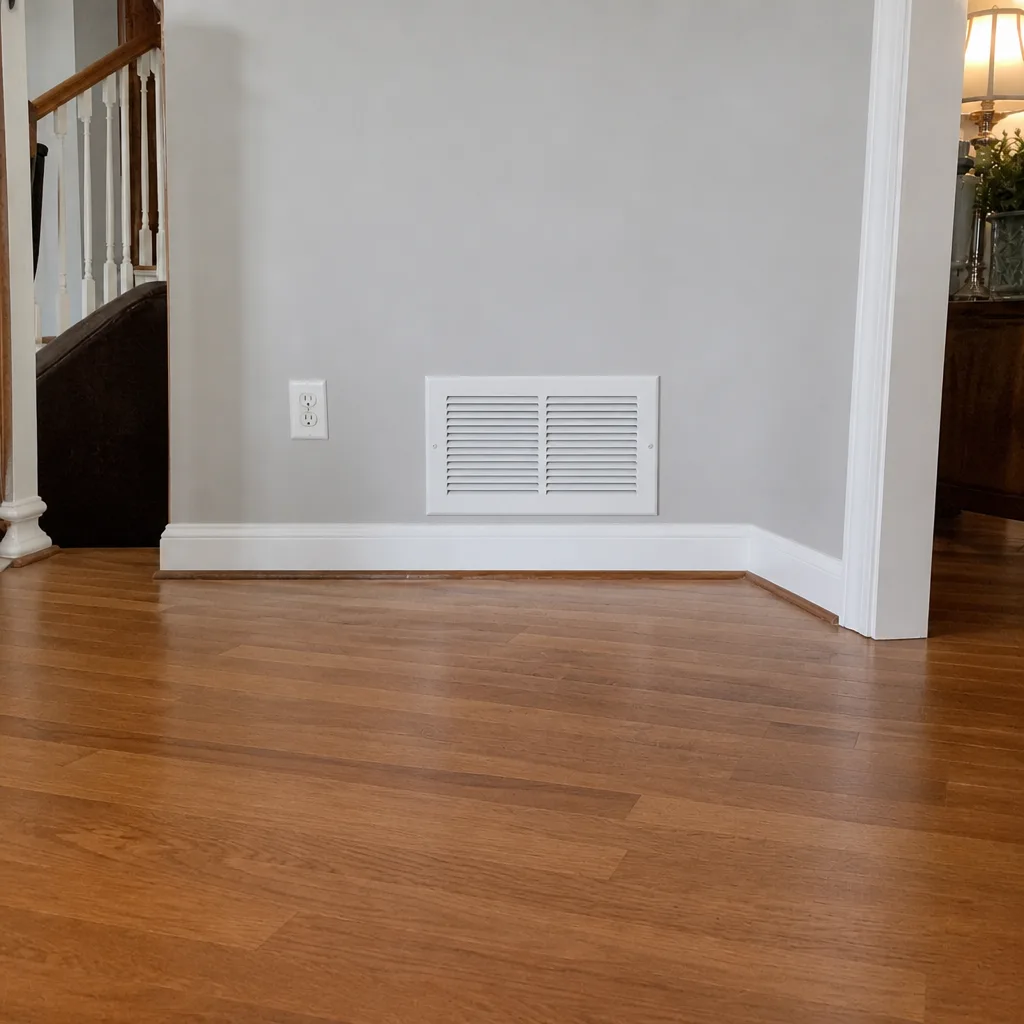 After
 Before
 After
When to Call a Professional
Call a professional when two or more warning signs show up together, when the runtime drift is measurable, when there’s any odor tied to the blower, when any crawl space duct shows condensation or sagging, or when the dryer takes noticeably longer to dry a load than it used to. Any of those, on their own, deserves a look. Two of them together means the system is telling you something specific.
The high-voltage and rotating components of the air handler, the possible presence of microbial growth, and the fire risk in a restricted dryer vent are all reasons not to open this up yourself. University City Air Duct Cleaning offers free estimates in University City. Call (888) 972-5826. We answer 24/7. Fast dispatch from 7am to 7pm, Sunday through Friday.
Frequently Asked Questions
Every two to three years is typical for most University City homes, but condition matters more than calendar. Homes with pets, recent renovations, ongoing allergy symptoms, or crawl space ductwork often need attention sooner, and homes with a clean filter and steady runtime can go longer. Call (888) 972-5826 for a free estimate if you’re unsure which category your home falls into.
Cheap quotes are usually for a surface pass on accessible registers with consumer-grade equipment, not a whole-system cleaning of the trunk, returns, air handler, and coil. Some quotes are per-vent teaser prices that climb once the technician is on site. We price per system with a written estimate before work starts, so the number you get is the number you pay. Call (888) 972-5826 for a free estimate.
Before-and-after photos of your own ducts, taken at the register and at the air handler, are the answer. Ask for them up front. A company that can’t or won’t provide them is asking you to take the work on faith. Call (888) 972-5826 for a free estimate that includes a clear description of what will be photographed.
Not necessarily. The most common cause is ordinary particulate carried by the airstream, though in humid conditions a persistent dark ring can indicate microbial activity nearby. Only a proper inspection of the coil, drain pan, and duct interior can say which. Call (888) 972-5826 to schedule a free estimate.
Yes, for any duct run in unconditioned space. Warm, humid air in a crawl space condenses on cold duct surfaces, and consistent condensation leads to liner damage and microbial growth. The visible signs (chalky deposits, rust streaks, musty odor) usually lag the underlying problem by weeks to months. Call (888) 972-5826 for a free estimate if you see any of them.
Not directly, but restricted airflow from a loaded duct works the equipment harder and shortens component life. Frozen evaporator coils, higher static pressure, and overheated heat exchangers are the common outcomes. The earlier the airflow problem is caught, the less strain the system carries. Call (888) 972-5826 for a free estimate.
The Bottom Line
Warning signs in your duct system arrive in a sequence: register deposit patterns first, runtime drift next, odor after that, and visible crawl space damage last. If you watch for the early signs, you’re rarely forced into a rushed decision, and you’re never guessing about what the last technician did. Take a photo before you wipe the grille. Time a heating or cooling cycle this week and compare it in a month. Look at the crawl space with a flashlight. Those three habits cover most of this guide. When the signs merge, that’s the point to have the system inspected, and the difference between cleaning and repair will already be clear. Our team is available to walk through it with you and give you a written, per-system estimate before any work starts.
Call (888) 972-5826 for a free estimate. We answer 24/7. Fast dispatch from 7am to 7pm, Sunday through Friday.
Written by the team at University City Air Duct Cleaning.