
Last updated November 22, 2026
 Whole-home duct cleaning
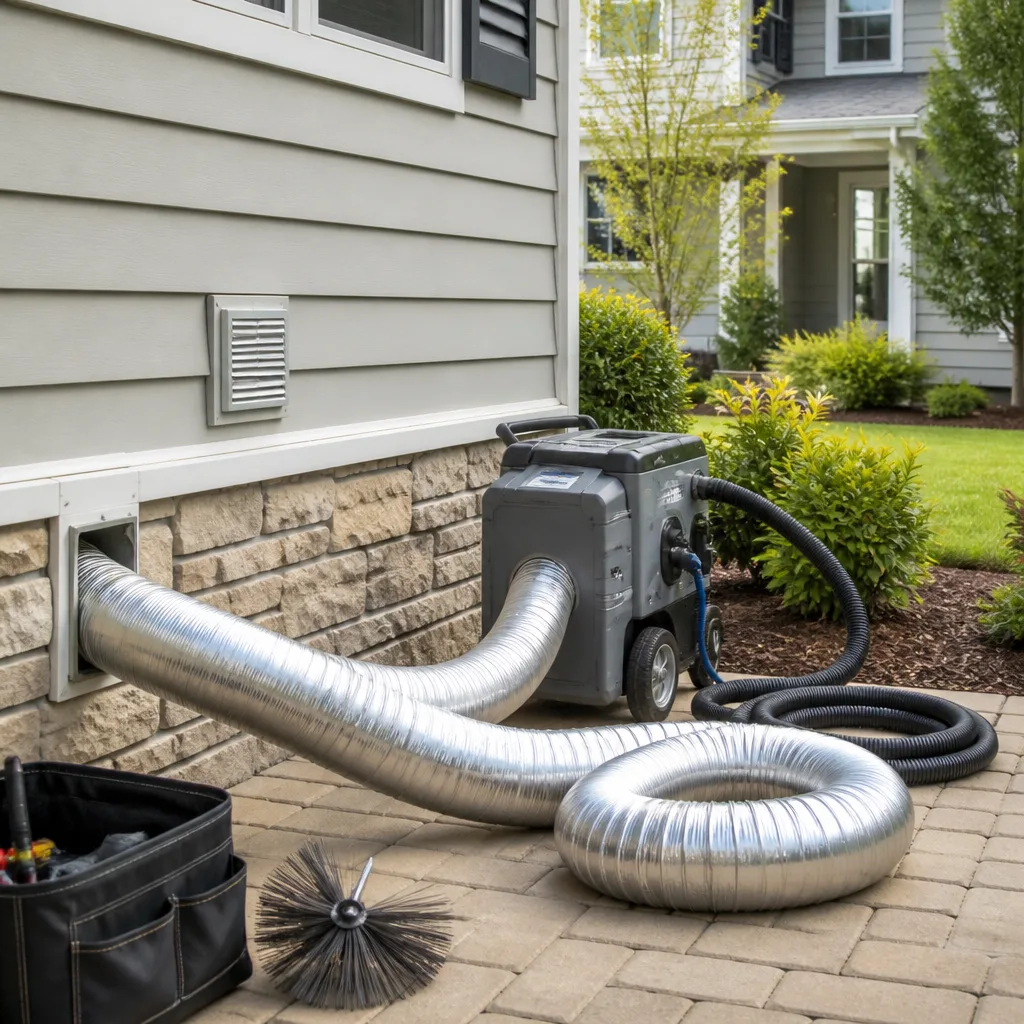
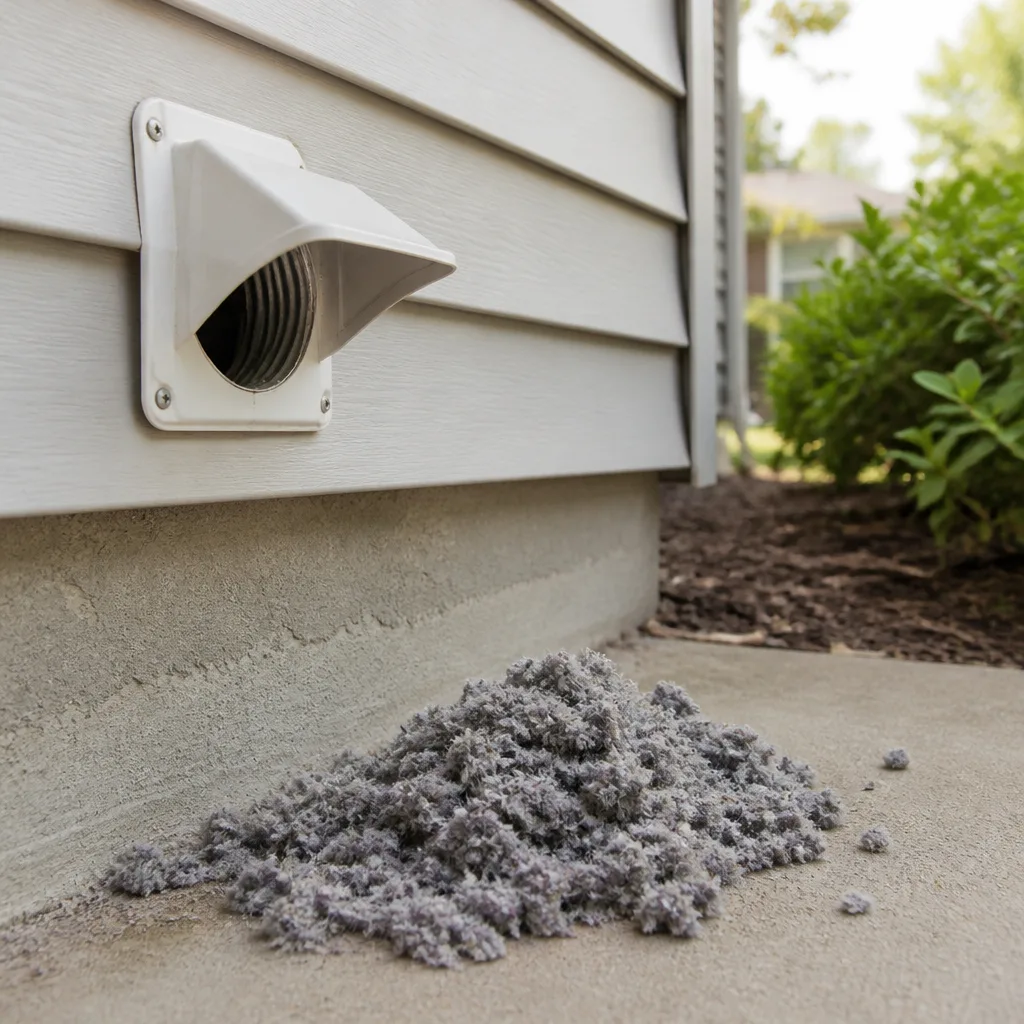 Dryer vent cleaning
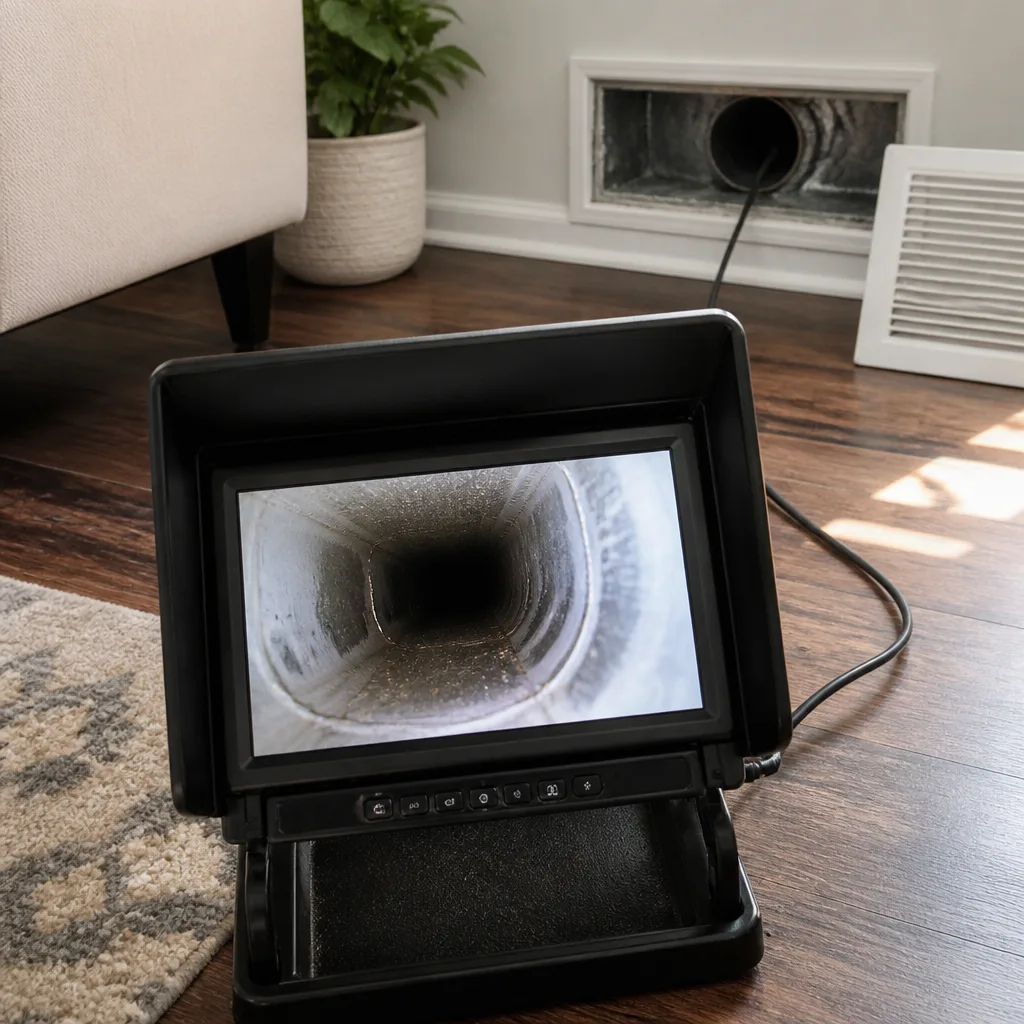 Camera inspection
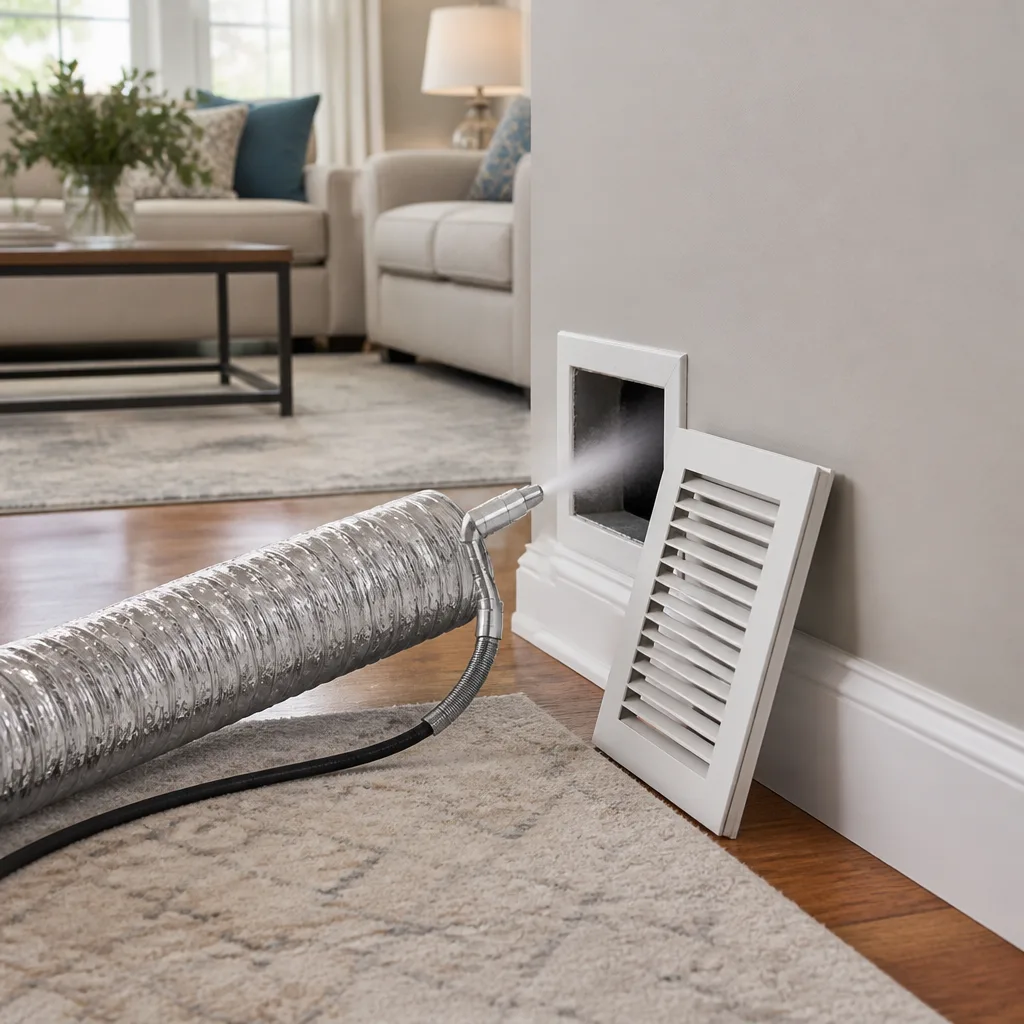 Sanitizing & deodorizing
Whole-system duct and dryer vent check with before-and-after photos - you see exactly what came out of your vents
That "$99 whole-house special" is a bait ad - the real number appears once they are in your hallway, or the "clean" is a shop-vac at the register. We photograph the inside of your ducts before and after instead.
The Complete Guide to Air Duct Cleaning in University City
Most people picture duct cleaning as one machine and one hose pointed at every vent. That picture is wrong, and it’s why so many jobs look finished while half the system stays contaminated. A technician who cleans only the accessible trunk lines and skips the branches and returns has addressed roughly 40% of your duct surface area. The rest keeps circulating debris on every HVAC cycle. This guide maps the full airflow path in a University City home, supply to return to plenum, and explains what each zone collects, why our humid summers hit returns hardest, and how to tell a real whole-system job from a shortcut.
Quick Answer
A thorough air duct cleaning in University City means source removal across the entire system: every supply branch, every return, the plenum, the blower and coil, and all registers, using negative-pressure containment and contact agitation, not just a vacuum at the grilles. You should receive before-and-after photos and a written scope before work begins. Our technicians have up to 15 years of experience reading the specific contamination patterns this climate produces.
Styles & brands we work with
- Whole-home duct cleaning
- Dryer vent cleaning
- Camera inspection
- Sanitizing & deodorizing
Table of Contents
- The Anatomy of a Residential Duct System
- Why University City’s Climate Hits Return Ducts Hardest
- Source Removal vs. Blow-and-Go: What to Verify
- What a Full-System Cleaning Should Include
- Equipment You Can Identify Before You Book
- How Airflow and Pressure Affect Contamination
- How to Read a Post-Cleaning Inspection Report
- How Often You Actually Need It
The Anatomy of a Residential Duct System
A home duct system is not a single pipe. It’s a branching network with three distinct zones, and each one collects a different mix of contaminants at a different rate. If you don’t understand which zone a technician is working in, you can’t tell whether they’ve done the job.
The supply side. Supply ducts carry conditioned air from the air handler out to every room. They run at positive pressure, meaning air pushes outward. That outward pressure actually resists debris from entering through gaps, which is why supply runs tend to accumulate a lighter, drier dust film rather than heavy buildup. The exception is the first few feet past the plenum, where turbulence drops fiberglass lining fragments and fine particulate before the air smooths out.
The return side. Returns pull air back to the air handler, and they run at negative pressure. Every leak in a return duct pulls unconditioned attic or crawlspace air into the system. In University City, where crawlspace and attic humidity run high through the long warm season, that means returns are where you find the biological growth, the heavier dust, and the filter bypass debris. This is the zone that matters most, and it’s routinely the one under-cleaned.
The plenum and air handler. The plenum is the transition box connecting the ductwork to the equipment. It’s where debris from the returns settles before the coil, and it’s where a technician sees the tell-tale buildup that shows whether a system has been neglected. The coil itself sits downstream of the filter. When debris bypasses the filter, the coil face becomes a wet mat in summer, and biofilm forms.
The key point for University City homeowners: a scope that names only “ducts” without distinguishing supply, return, and plenum is not a full-system scope. Ask which zones are covered before you book.
Why University City’s Climate Hits Return Ducts Hardest
University City sits in the humid subtropical band of North Carolina, and that single fact reshapes what gathers in your ducts. Warm, moisture-laden air meets a cool supply system and condenses. Relative humidity stays elevated across the cooling season, and that’s the condition biological growth needs to establish.
The mechanics are straightforward. When a return duct runs through an unconditioned attic, cooled air from the system’s own low-side sits inside duct walls. On a humid day in University City, the moisture in surrounding air condenses on any surface below the dew point. Combine that with dust that has settled on the duct wall and you get a biofilm film. Once established, it doesn’t dry out between cooling cycles the way it does in a drier region. Every time the blower runs, spores and biological particulate travel through the system and out into living space.
Several University City conditions amplify this:
- Long cooling seasons mean the system runs continuously for months, so condensation cycles repeat far more often than in northern climates.
- Filter bypass in older installations lets fine dust reach the coil face, and a wet coil is the single best surface in a home for biological growth.
- Crawlspace and attic duct runs are common in neighborhoods around University City, and an unsealed return in a humid crawlspace is a direct path for moisture and debris into the airstream.
- New construction and renovation zones create drywall dust that pulls efficiently through return returns specifically, since the system’s negative pressure site is the return grille.
In our experience working in this climate, return-side cleaning with proper antimicrobial treatment is not optional. It’s the core of the job. That’s why our air duct cleaning scope treats the return network as its own tracked zone, and why we verify humidity-driven surface condition before recommending sanitizing versus plain source removal.
Source Removal vs. Blow-and-Go: What to Verify
Source removal means physically dislodging and removing the contaminants from within the duct without introducing them into living space. That’s the professional standard, and it’s what separates a real cleaning from a cosmetic one. Blow-and-go methods, sometimes called “compressed air cleaning,” do the opposite: they blast the ducts with air and trust the residual to find its way out. It often doesn’t; it redistributes into the room or resettles.
Here’s how we think about it, and how you should too. The proof is not what a technician says, it’s what their method produces:
- Containment first. The system is placed under negative pressure before agitation begins, so dislodged material is captured, not dispersed. You should see hoses and a collection unit, and you should ask where the exhaust is directed.
- Contact agitation. Mechanical action is required to break the adhesive bond between dust and duct wall. Negative pressure alone will not lift a film that has bonded to the surface.
- Zone by zone. A proper job starts at the farthest run and works back toward the equipment, not the reverse.
- Post-verification. A visual inspection inside the plenum and return trunk is the honest test of any cleaning, and it happens before the job is declared finished.
The phrase “NADCA standard” gets thrown around a lot, and homeowners hear it before they know what it means. Broadly, it refers to the source-removal and containment principles above, and it’s a fair standard to ask a contractor to explain. If a contractor can’t explain how they contain and how they agitate, the rest of the conversation is marketing. If you’re comparing a duct job alongside a separate equipment service, our guide on HVAC cleaning covers how the air handler itself is treated in the same visit.
What a Full-System Cleaning Should Include
A full-system scope covers the entire air pathway, not just the sections a technician can reach from a vent. Here’s what a complete job should list, and what you should see in writing before work starts.
- Every supply branch and every return. The count matters. If the estimate doesn’t name how many runs, ask for the count in writing. Per-vent pricing that changes after the technician arrives is the classic bait-and-switch problem in this trade, so one flat price per system agreed in advance is the standard we hold to.
- Plenum and air handler interior. The transition box and the accessible interior of the air handler accumulate the sediment from the return network.
- Coil, drain pan, and blower wheel. The coil is upstream of the living space; a clean duct feeding a fouled coil isn’t a clean system. The drain pan and blower wheel are where biological growth usually hides in this climate.
- All registers and grilles. These are the last surface air touches before it reaches you, and they’re removed and cleaned at the bench, not wiped in place.
- Duct lining. Fiberglass or other lined sections need brushing that respects the lining, not aggressive scrubbing that tears it.
- Filter condition and fit. A clean system with a loose filter is a system that will re-foul. Filter seating is checked, and we can discuss replacement grade. Guardsman filters are one option we supply and fit.
- Before-and-after photos. Visual documentation of the system you own, not a stock photo.
That scope is why we describe what we do as “your whole system, one call.” Five services sit under one visit: air duct cleaning, dryer vent cleaning, HVAC cleaning, air quality and sanitizing, and duct repair and sealing. A duct that’s clean but torn or unsealed re-contaminates within a season, so repair isn’t a side note, it’s part of finishing the job.
Equipment You Can Identify Before You Book
You don’t need to become a duct cleaning equipment expert, but you should be able to recognize the difference between professional machinery and a shop-vac posed for a photo. The tooling is the job. Here’s what to look for and what it signals.
Professional source-removal systems use a source of strong suction connected to a drive unit and rotating brushes or whip lines that agitate the full duct circumference. In our work, that’s Rotobrush and Nikro systems, which are built for full residential runs and are not improvised consumer tools. Abatement Technologies equipment is filtration and remediation machinery, the class of gear used when the air quality problem is serious, not just routine dust. If a contractor’s equipment is a shop vacuum, a towel, and a hand drill, the scope will be limited to whatever the wand can reach.
Beyond the cleaning machine itself, ask what happens to the air. Professional-grade equipment should both agitate the duct and capture what’s released. The strongest sign of capability is a description of containment and exhaust control. It’s also fair to ask how they handle coils, drain pans, and blower wheels with the same standard of care.
One more signal: a specialist who carries only one service line usually leaves the rest of the system untouched. We carry the five service lines above, and the equipment to support them. A team that can recommend a Honeywell or Aprilaire air quality product is one that understands the airflow path beyond cleaning; a team that can only clean is a team that stops at the truck.
How Airflow and Pressure Affect Contamination
Air always moves from high pressure to low pressure, and duct contamination follows the same logic. The leak location that matters most is on the return side, because that’s the negative-pressure zone that draws unconditioned air in from wherever a gap exists.
Think of every home as three pressure environments: the return side, the supply side, and the living space. A return duct with even a modest gap in an attic or crawlspace will draw the surrounding air into the system every time the blower runs. In University City, with the warm season running long, “when the blower runs” means thousands of hours. That’s not a duct problem isolated to one vent; it’s a small, constant infiltration path that discharges into every room.
The practical takeaway:
- Leaks on the return side pull contamination in. Sealing and repair reduce infiltration at the source.
- Leaks on the supply side push conditioned air out. They cost energy and comfort but pull less debris in.
- Restrictions anywhere in the system increase pressure differentials, which both increase leakage and reduce effective cleaning reach. Pressure testing before a job gives you the baseline.
That’s why we offer duct repair and sealing as a core service rather than an add-on. Cleaning without addressing the path debris uses to get back in means you’ll be redoing the job sooner. If your home has a crawlspace or attic return, ask for a leakage assessment. Our broader service guide on our University City Air Duct Cleaning homepage lays out the full pathway we treat.
How to Read a Post-Cleaning Inspection Report
An inspection report is not just a business formality. It’s the evidence that the work was actually done. If a company finishes and can’t show you the inside of your return trunk and plenum afterward, the report is a piece of paper without proof behind it.
A useful report should contain, at minimum:
- Before-and-after photos of your system. Not stock images, but visible shots of the interior of your ducts, the plenum, the coil face, and the blower. Location labels help: “return trunk, before and after.”
- The scope actually performed. Number of supply branches and returns cleaned, whether coil, drain pan, and blower were addressed, and whether any lining was brushed.
- Findings. Any tears, unsealed joints, or lining damage observed during the work, with recommendations for remedy.
- Conditional observations. Signs of biological growth, humidity effects, or filter bypass, noted so you know what to watch.
- Recommendation on sealing or repair. If the ducts are structurally sound or need repair, the report should say so plainly.
Read photos critically. If the “after” shots don’t correspond to the “before” footage, ask. A credible specialist will not be offended by the request to review the images before they leave. It’s their job to prove the work, not your job to take it on faith.
How Often You Actually Need It
There’s no universal schedule, and any contractor who gives you a fixed interval without asking questions is guessing. The honest answer depends on your home, your household, and what the inspection finds.
General guidance for University City homes:
- After major renovation or new construction in the home. Drywall dust is aggressive and pulls directly through return returns, so schedule cleaning after the dust settles, not before.
- When the system’s filter has failed and bypassed. A fouled coil changes the schedule. Clean it, fix the filter fit, then reassess.
- When visible debris is being discharged at registers. That’s a live condition, not routine maintenance.
- In humid-climate homes, more often on the return side. The growth conditions in University City’s long warm seasons concentrate in returns, and that’s where to look first on a re-inspection.
- When pets, occupants with allergies, or recently purchased homes are in the picture. Baseline assessment and cleaning are a reasonable starting point, then monitoring on inspection findings.
Air quality and sanitizing is the right follow-up when inspection shows active biological growth; it’s a targeted treatment after source removal, not a substitute for cleaning. Duct repair and sealing belongs in the same discussion, since a leaky system re-contaminates quickly. The best answer is: inspect, address, then monitor.
Common Mistakes to Avoid
- Booking a price before a scope. A per-vent quote that balloons after the technician walks the house is the bait-and-switch pattern in this trade. Ask for one flat price per system in writing before anyone arrives.
- Accepting “we cleaned all the ducts” without a zone breakdown. Supply, return, plenum, coil, blower: if the scope doesn’t name them, they may not be in the plan. In University City’s humidity, a supply-only cleaning leaves the most contaminated zone untouched.
- Skipping the coil and drain pan. A clean duct discharging into a fouled coil is a false sense of clean air. The coil sits downstream of the filter and it’s where biological growth collects.
- Assuming negative pressure alone cleans. Contact agitation is required to lift bonded film. A demonstration of containment with no agitation is a compromise.
- Ignoring return-side leakage. In a humid climate, an under-sealed return draws moist air from the attic or crawlspace. Cleaning without sealing means re-cleaning sooner.
- Not checking the dryer vent at the same visit. Lint accumulation in a dryer vent is a fire risk, and it’s part of the exhaust side of the system, not a separate concern. A full-system visit catches it.
- Treating documentation as optional. If you don’t receive before-and-after photos and a written report, you have no way to know what happened inside your ducts.
See the difference
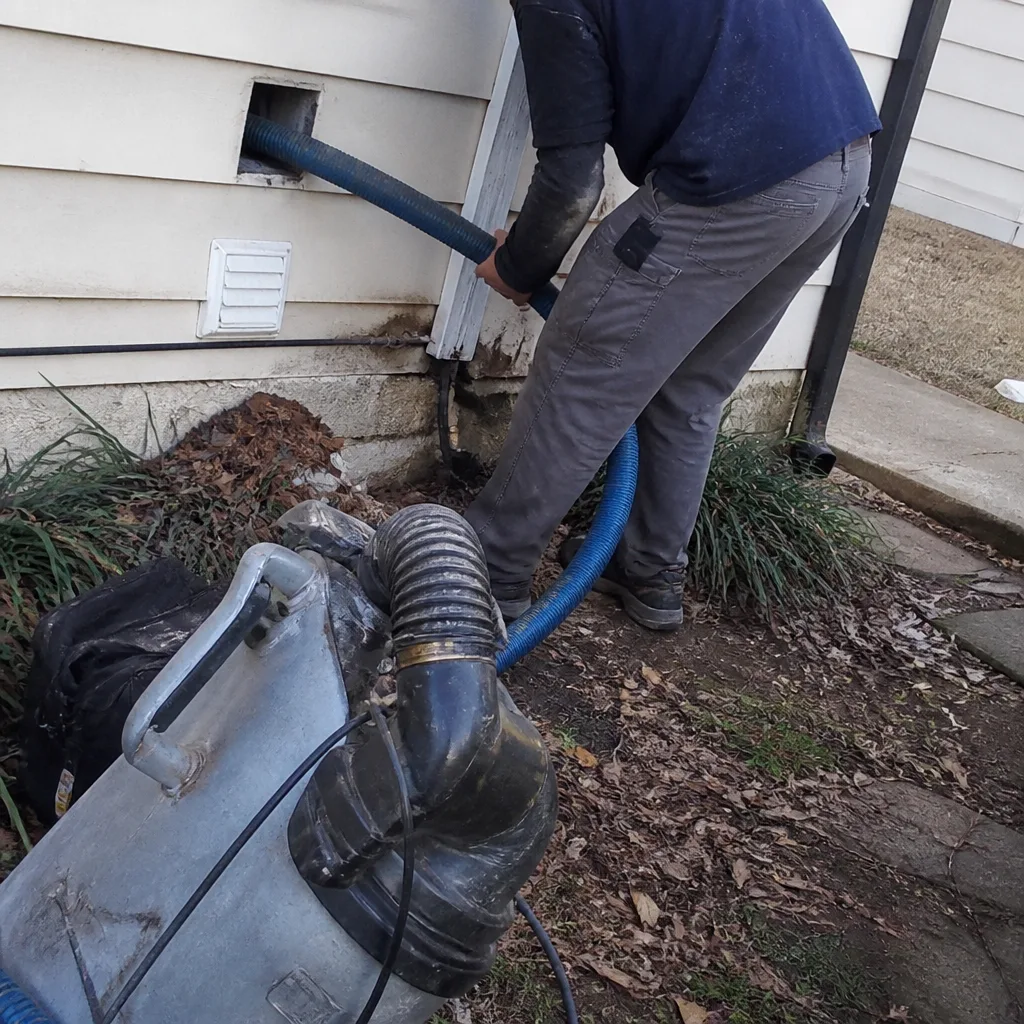 Before
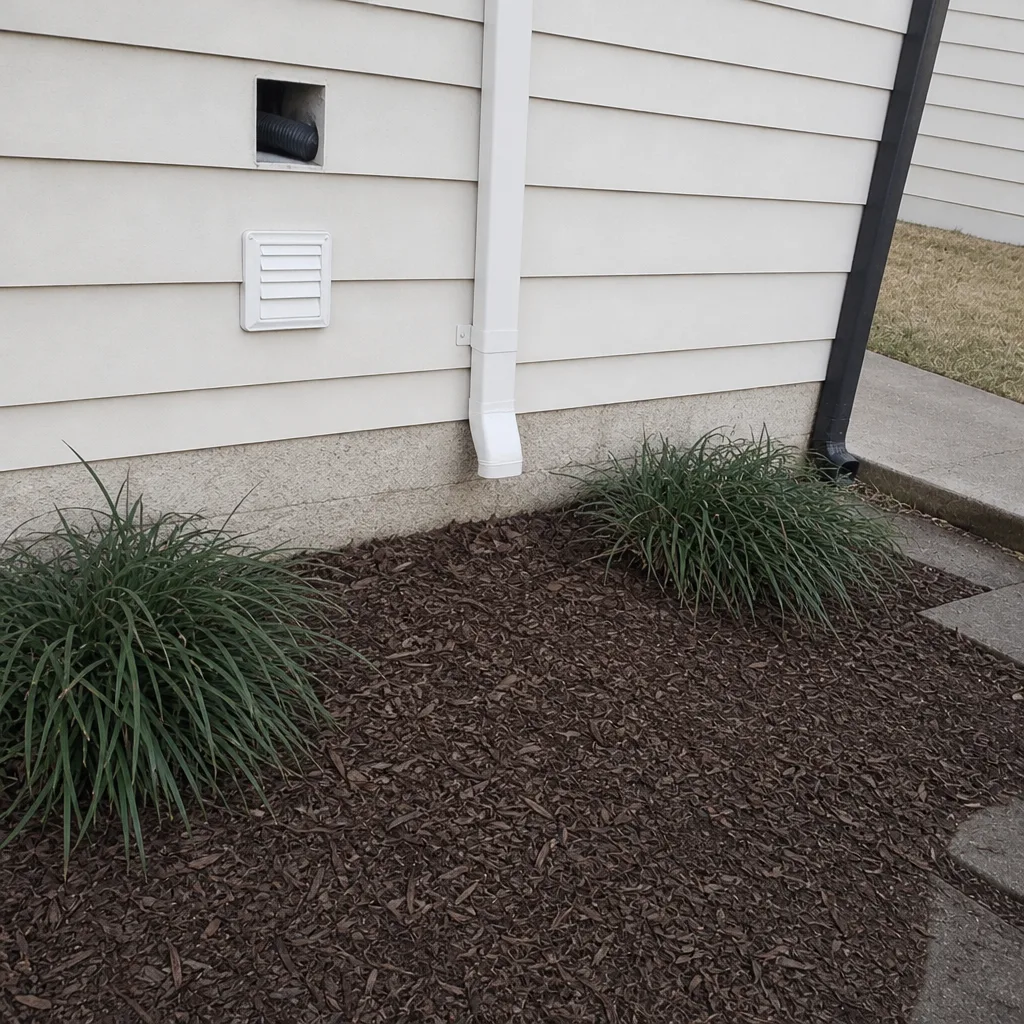 After
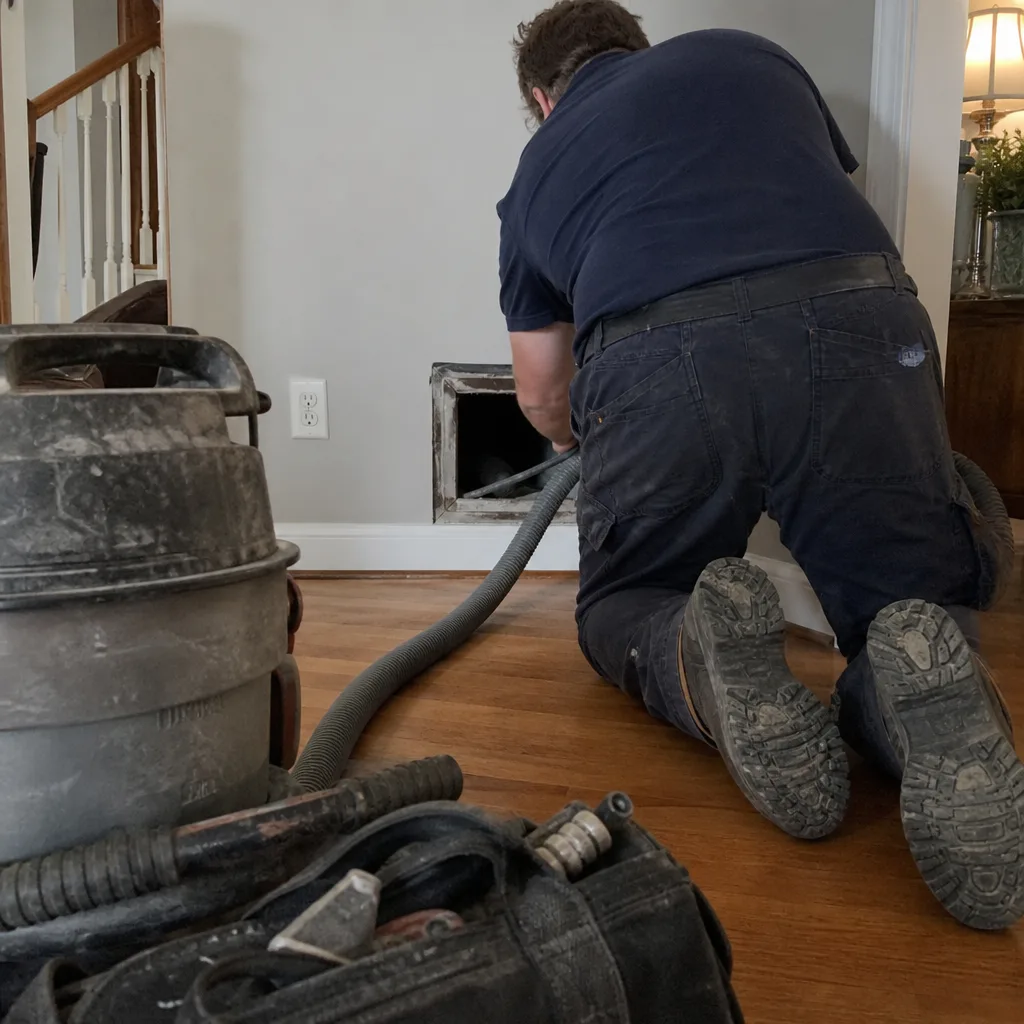 Before
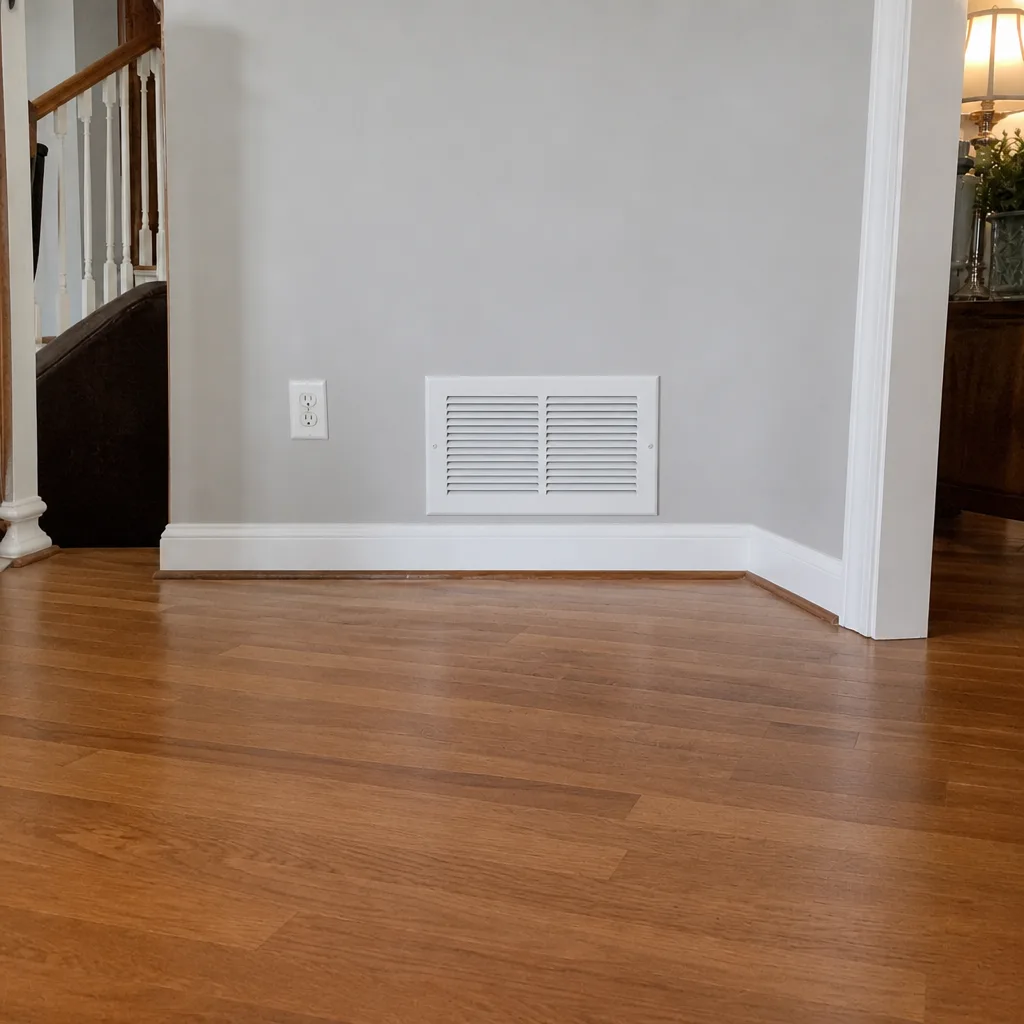 After
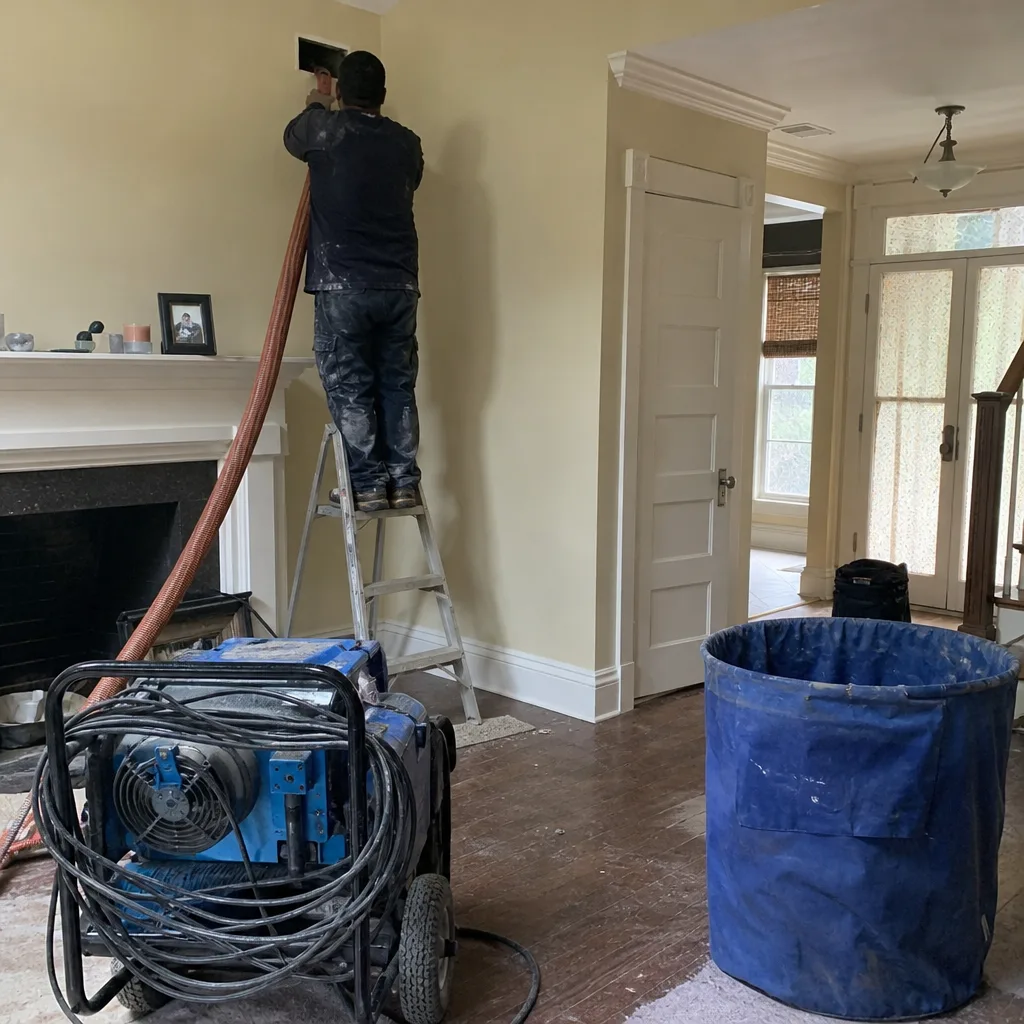 Before
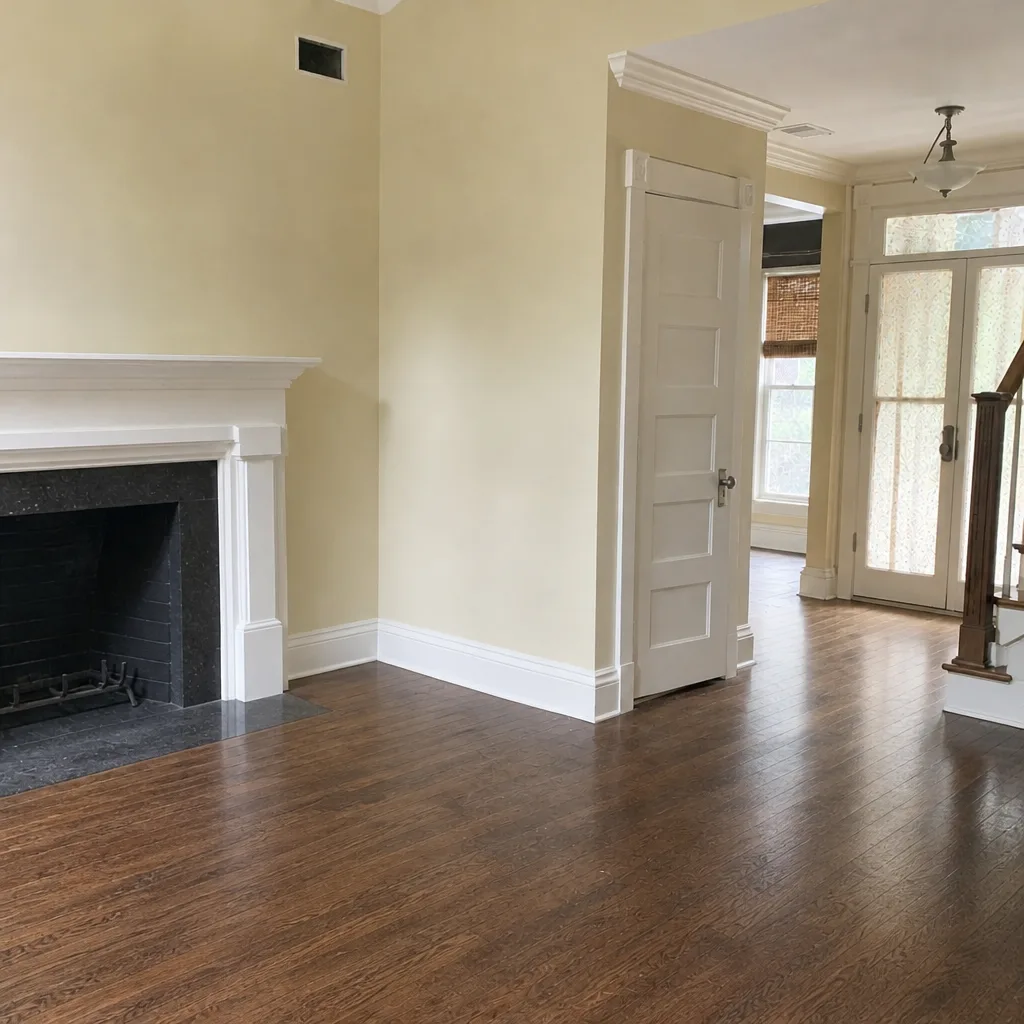 After
When to Call a Professional
Some conditions need a trained technician and no amount of filter changing will fix them. Call a professional when you see dust puffing from registers at startup, when the filter outlet is fouled on the wrong side, when an inspection shows biological growth, after a major renovation, when a crawlspace or attic return leaks, or when you’ve noticed reduced airflow across the system. Those conditions need source removal, containment, and often repair and sealing. University City Air Duct Cleaning offers free estimates in University City. Call (888) 972-5826. We answer 24/7. Fast dispatch from 7am to 7pm, Sunday through Friday. Our technicians have up to 15 years of experience and work with the full five-service scope.
Frequently Asked Questions
Most full-system residential jobs in the University City area fall within a range that depends on the number of runs, the system’s condition, and whether coil, blower, and sealing are included, and the written estimate sets the final price. We price per system, not per vent, so the number you’re quoted is the number you agree to before work starts. Call (888) 972-5826 for an exact quote. Estimates are free.
A low teaser price usually buys a partial scope: supply vents wiped, no return cleaning, no coil, no documentation. It’s priced to win the phone call, and the invoice grows once the technician finds the conditions that require the full job. We quote one flat price per system with the scope in writing. Call (888) 972-5826 to compare scopes, not just numbers.
You should receive before-and-after photos of your own ducts plus a written report naming what was cleaned. If a company can’t show the interior after the job, there’s no evidence. We photograph the system before and after every visit. Call (888) 972-5826 to schedule an estimate and see the scope up front.
There’s no fixed interval; it depends on whether the ductwork is sealed, how the filter fits, and what an inspection finds. In our humid climate, returns collect growth conditions faster than supply runs, so re-inspection should focus there. Call (888) 972-5826 for a condition-based recommendation. Estimates are free.
Routine cleaning and filter service generally don’t, but if the work includes duct repair, sealing, or altering the ductwork, check with the city’s building department about permit requirements first. We can explain what falls under routine service versus structural modification, so you can ask the right question. Call (888) 972-5826 and we’ll lay out the scope in writing.
Professional source-removal systems use a drive unit with rotating agitation and strong negative-pressure containment; we use Rotobrush and Nikro, with Abatement Technologies equipment for serious air quality work. Ask any contractor, including us, to explain their containment and agitation method before booking. Call (888) 972-5826 with questions before your estimate.
The Bottom Line
Air duct cleaning is only as good as the scope behind it. A real job maps the full airflow path: every supply branch, every return, the plenum, the coil, the blower, and every register, with negative-pressure containment and contact agitation. In University City’s humid climate, returns carry the heaviest contamination load, and duct repair and sealing is what keeps it from coming back. If a quote names vents without naming zones, and finishes without photos, you’re looking at a partial job. We hold to one flat price per system, before-and-after photos of your own ducts, and a satisfaction guarantee. Call (888) 972-5826 for a free estimate. We answer 24/7. Fast dispatch from 7am to 7pm, Sunday through Friday.
Written by the team at University City Air Duct Cleaning.