
Last updated November 22, 2026
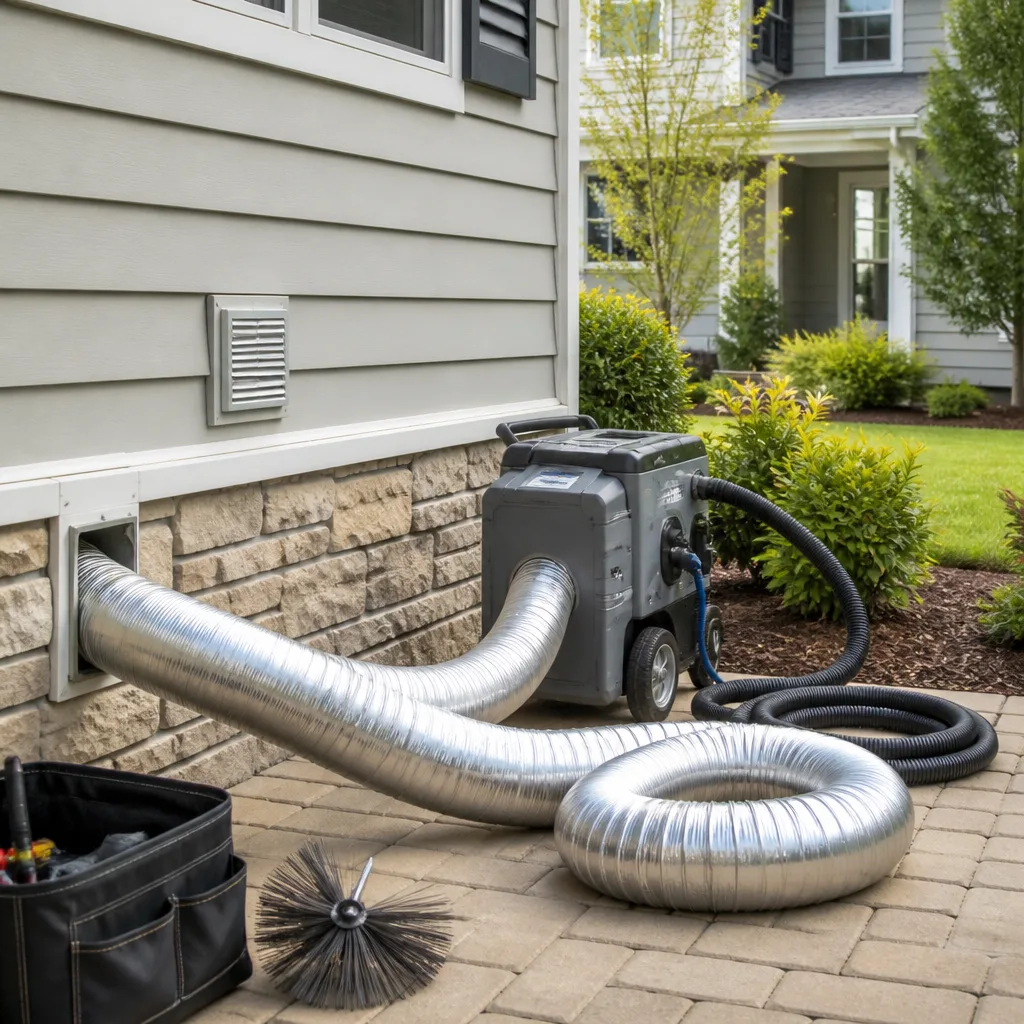 Whole-home duct cleaning
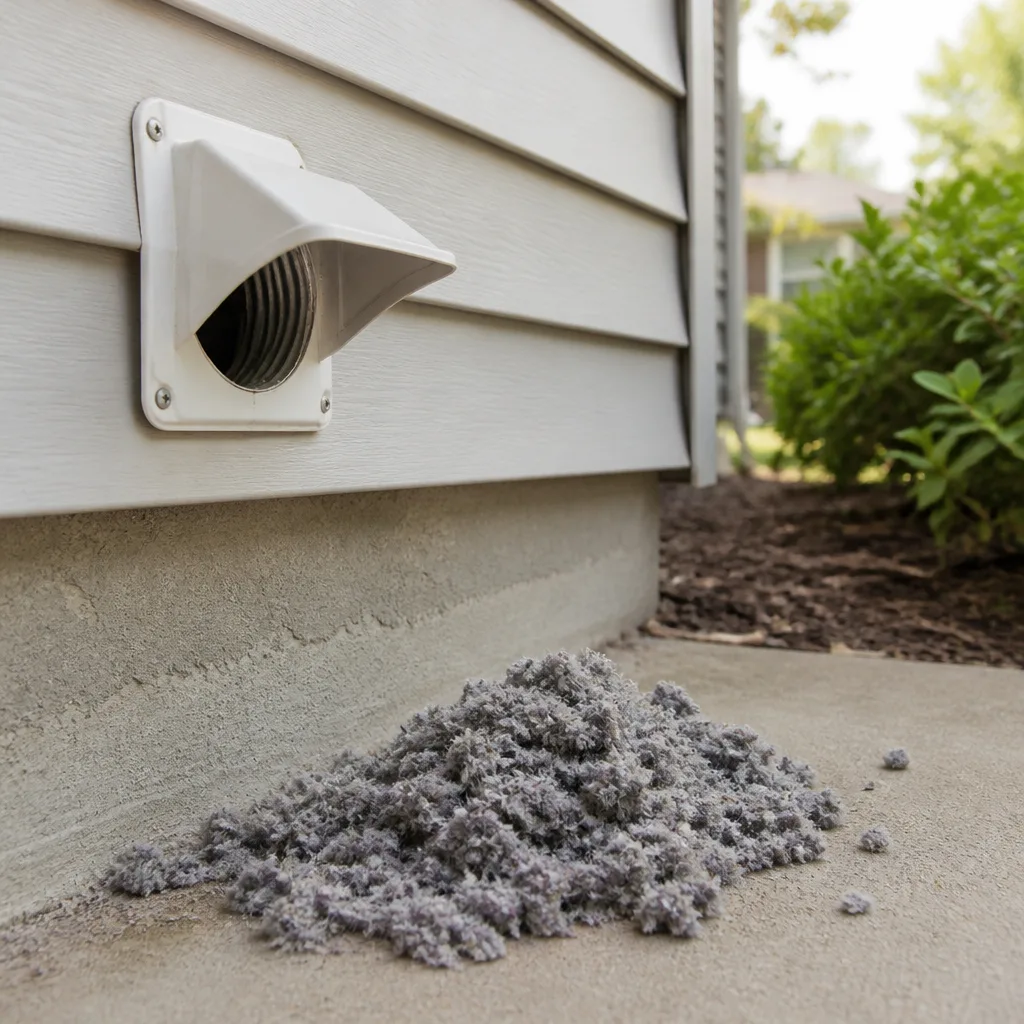 Dryer vent cleaning
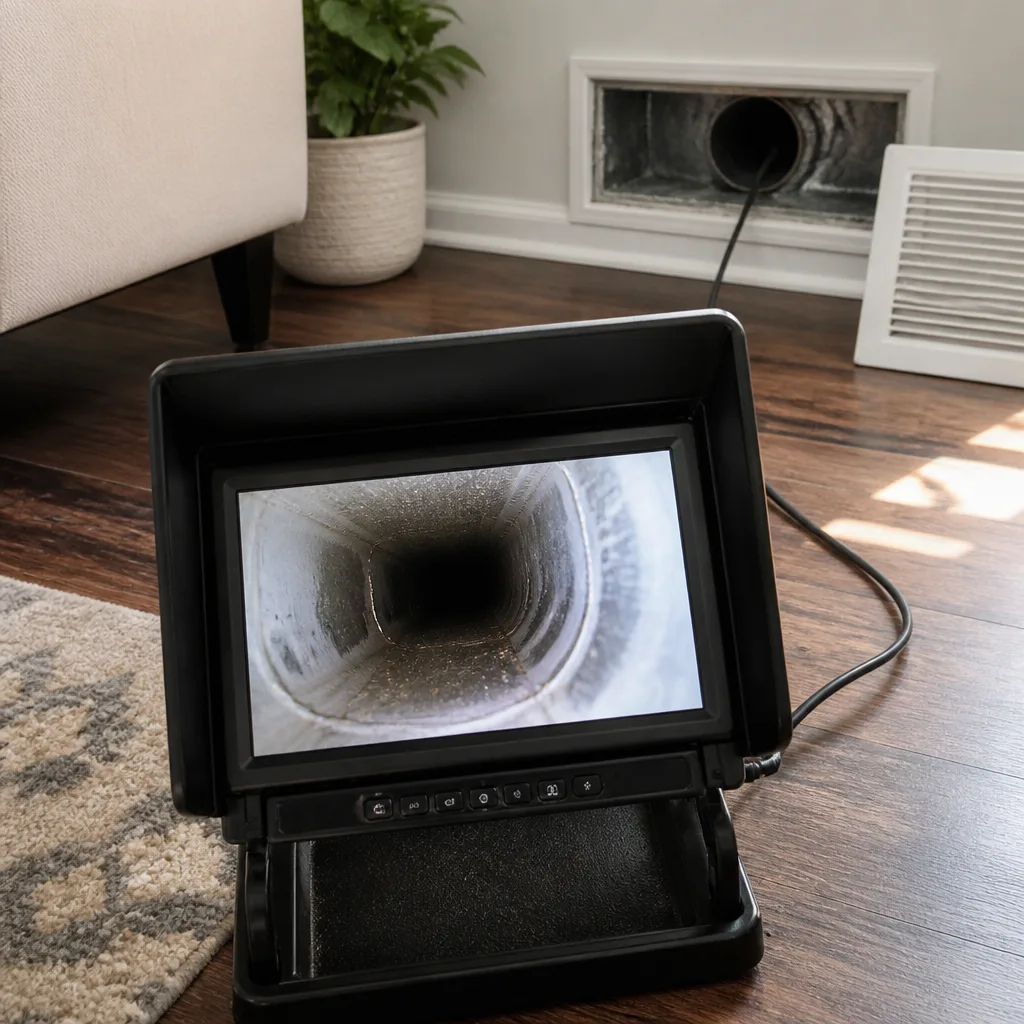 Camera inspection
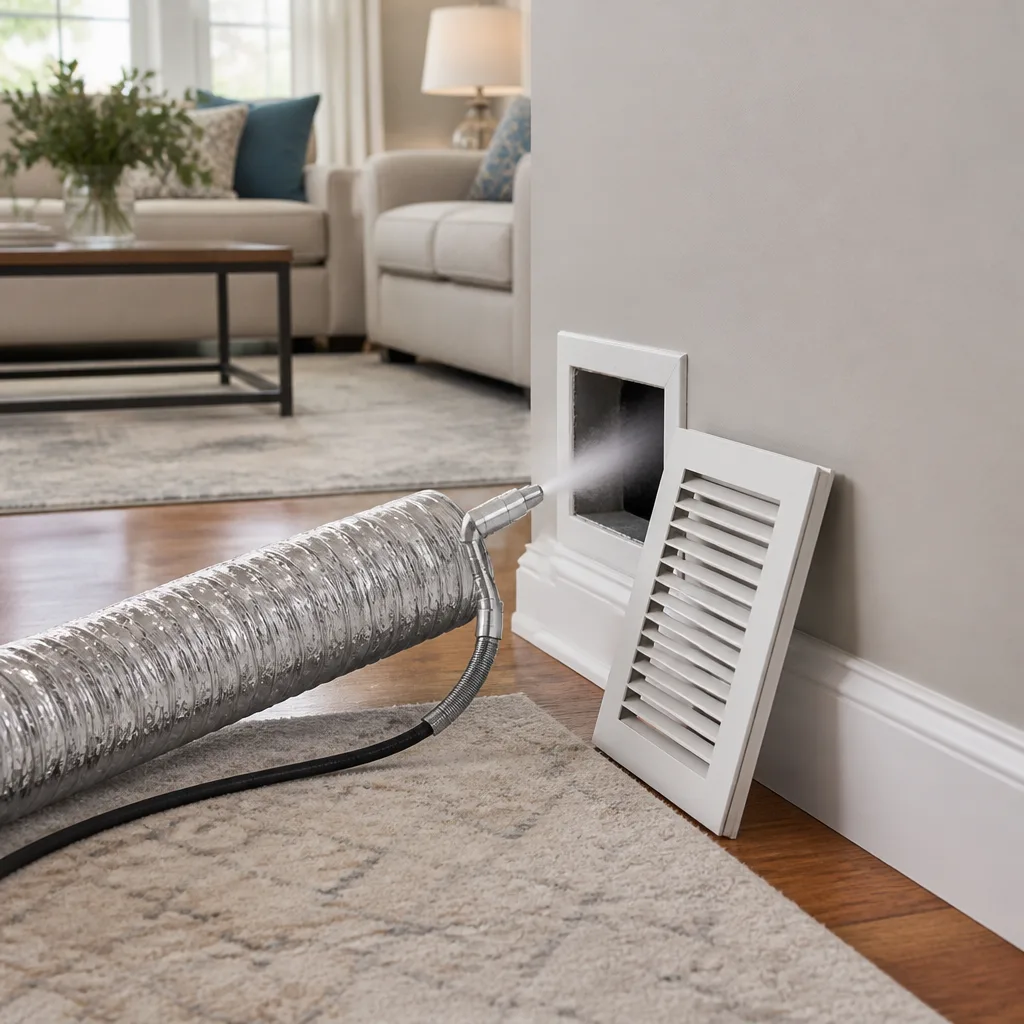 Sanitizing & deodorizing
Whole-system duct and dryer vent check with before-and-after photos - you see exactly what came out of your vents
That "$99 whole-house special" is a bait ad - the real number appears once they are in your hallway, or the "clean" is a shop-vac at the register. We photograph the inside of your ducts before and after instead.
How to Hire an Air Duct Cleaning Contractor in University City: A Step-by-Step Guide
The $99 special on the coupon mailer is legal. It also usually covers two to four supply vents and nothing else. The return system, the plenum, and the coil, which is where most of the contaminant mass in a home actually sits, are excluded from that price and quietly added back on site. This is the central problem with shopping for duct cleaning in University City: the advertised number tells you almost nothing about the price you’ll pay or the work you’ll get. What follows is the vetting process we’d use ourselves, covering the equipment to ask about, the written scope to demand, and the questions that separate a full-system contractor from a discounted van operation.
Quick Answer
To hire an air duct cleaning contractor in University City, request a written scope of work that lists every component to be cleaned before you pay any deposit, confirm the contractor uses professional-grade HEPA-filtered equipment rather than a shop vacuum, and verify that they recognize the NADCA ACR standard. Ask directly whether they employ their own technicians and carry liability insurance for the job. Any contractor who won’t inspect before quoting, won’t put the scope in writing, or prices by vague square footage is a hiring decision you should walk away from.
Styles & brands we work with
- Whole-home duct cleaning
- Dryer vent cleaning
- Camera inspection
- Sanitizing & deodorizing
Table of Contents
- Why Duct Cleaning Is So Hard to Shop For in University City
- The NADCA ACR Standard and Why It Matters
- How to Verify the Equipment Before You Book
- Building a Written Scope of Work
- Red Flags in Contractor Communication
- Insurance, Licensing, and Subcontractors in North Carolina
- The Step-by-Step Hiring Process
- Beyond Cleaning: Repair, Sealing, and Air Quality
Why Duct Cleaning Is So Hard to Shop For in University City
Duct cleaning has a low barrier to entry. A van, a vacuum, and a phone number are enough to advertise, and there’s no single state-mandated certification you can look up to confirm competence in North Carolina. That means the burden of vetting falls on you, the homeowner, which is exactly backwards from how most home services work.
University City makes this more complicated than a rural market would. The neighborhood has a wide mix of housing stock, from newer subdivisions built in the last ten to twenty years to older homes near the university corridor with ductwork that’s been retrofitted, patched, or rerouted at least once. A contractor who prices purely by square footage can’t account for that variation, and the ones who do it anyway are usually guessing. In our experience, the home with flex duct snaking through an unconditioned attic and the home with a tight trunk-and-branch system in a conditioned space need completely different scopes even at the same square footage.
There’s also a climate factor. University City sits in the Piedmont, which means hot, humid summers and a heating season with enough cold snaps to run the furnace hard. That cycling drives condensation, dust accumulation, and in older homes, debris from past renovations settling into the return side. A contractor who’s only cleaned homes in a drier climate may not recognize what they’re looking at. The full picture requires more than a discount coupon and a shop vacuum.
What you’re really shopping for is a specialist who understands the whole air pathway, from intake to exhaust. That’s the standard we hold ourselves to at University City Air Duct Cleaning, and it’s the standard you should hold any contractor to before they set foot in your home.
The NADCA ACR Standard and Why It Matters
The NADCA ACR standard is the industry’s assessment, cleaning, and restoration standard published by the National Air Duct Cleaners Association. It’s the document that defines what “clean” actually means, how a system should be assessed before work begins, and what restoration looks like afterward. A qualified contractor should recognize it immediately and be able to explain how they follow it.
Ask any contractor you’re considering one direct question: “Do you follow the NADCA ACR standard, and can you walk me through how?” The answer tells you a lot. A contractor who’s never heard of it is almost certainly operating without any formal reference point for what a complete clean looks like. They may still do solid work, but you have no way to verify the scope.
The ACR standard matters because it establishes that duct cleaning isn’t just vacuuming visible vents. It requires:
- An assessment of the system before cleaning, including the condition of the ducts, coils, and any visible contamination
- Cleaning of all components in the air pathway, not just the supply branches
- Protection of the home during the process, using negative air pressure and HEPA filtration
- A post-cleaning verification step, often with before-and-after photos or video
If a contractor quotes you a price without ever looking at the system, they’re not following any standard. That’s the first red flag, and it’s usually the one that predicts everything that follows. In University City, where the housing stock ranges so widely, an inspection before quoting is not optional; it’s the only way to give you an honest number.
How to Verify the Equipment Before You Book
Equipment is the clearest physical difference between a full-system contractor and a low-bid van operation, and you can verify it before you book. Ask what they use to create negative pressure and capture debris, and listen for two specific things: HEPA filtration and professional-grade machinery.
Here’s what to look for:
- A HEPA-filtered negative air machine. These are large, boxy units, often on wheels, that pull the whole system into negative pressure so loosened debris travels to the filter rather than into your living room. Truck-mounted versions exist, but a portable HEPA unit on site is the minimum standard.
- Professional-grade cleaning systems. Rotobrush and Nikro are the names you’ll hear from contractors who work at commercial and industrial scale. Rotobrush systems use rotary agitation to break debris loose inside the duct; Nikro units handle high-volume HEPA filtration. We run both.
- Abatement Technologies equipment. This signals serious indoor air quality remediation capability, not just a routine maintenance visit. A contractor using it can handle jobs that involve mold, heavy contamination, or post-renovation debris.
What you don’t want to see is a wet/dry shop vacuum with a long hose. A shop vacuum can’t move enough air volume to clean a duct run, and it provides no protection against pushing debris back into the living space. If the contractor’s entire setup fits in a car trunk, the result will reflect that.
Ask for the make and model of the equipment. A contractor who knows their equipment will answer instantly. One who hedges is one who doesn’t own professional tools.
Building a Written Scope of Work
A written scope of work is the single most important document in this hiring process, and you should have it before you pay any deposit. It’s what protects you from the classic bait-and-switch: a low quote that grows once the technician is on site and the ducts are open.
Your scope should list every component to be cleaned, explicitly. Use this as a checklist and require the contractor to address each item in writing:
- Supply ducts. Every branch, not just the ones visible from a floor vent. Count them and put the count in the scope.
- Return ducts and grilles. The return side often carries more debris than the supply, and it’s the part most often excluded from a discount price.
- The main trunk line. This is where the largest volume of air moves, and where contamination accumulates most heavily.
- The air handler or furnace cabinet. The interior of the unit and the blower assembly, if accessible and safe to clean.
- The evaporator coil. The cooling coil traps dust and biological growth; a clean coil needs to be part of the job, not an upsell.
- Access ports. How will the contractor reach the ducts? Cut access holes are normal, but they should be sealed after, and that should be stated in the scope.
- Post-cleaning verification. Before-and-after photos of the system, not stock images.
Any contractor who balks at putting this in writing is telling you something. A full-system clean is not an ambiguous service; it has a defined beginning and end. If the quote says “air duct cleaning” and nothing else, add the components yourself and ask them to confirm in writing or decline the job.
This is the same standard we apply on every job in University City, and it’s why we provide a written scope and before-and-after photos as a matter of course. The work should be visible in the record, not just in the invoice.
Red Flags in Contractor Communication
Most bad hires announce themselves before the technician arrives. The communication pattern is the early warning system, and it’s worth paying attention to how the contractor conducts the phone call, the quote, and the follow-up.
Watch for these specific behaviors:
- Vague square-footage pricing. A price based only on the size of the house, without inspection, isn’t a real quote. It’s a number designed to get a foot in the door.
- Refusal to inspect before quoting. Any contractor who won’t walk the system and look at the ducts, coil, and air handler before naming a price is guessing. The inspection is the quote.
- Upsell pressure during the job. A technician who finds “extra work” once the ducts are open and demands an immediate decision is running a high-pressure sales script, not a service call. A legitimate scope is settled before work starts.
- No written estimate. If the number was only verbal, it can change. Always get it in writing before work begins.
- Reluctance to name their equipment. A contractor who can’t tell you what machine they’ll bring is one who doesn’t own professional equipment.
- Pressure to book immediately. Urgency on the phone is a sales tactic. Duct cleaning is a scheduled maintenance service, and a contractor who’s genuinely busy doesn’t need to push.
In University City, where a lot of homeowners are juggling work and family schedules, the contractor who asks about your system’s layout and your specific concerns is usually the one worth hiring. The one reading from a script with a coupon price is not.
Insurance, Licensing, and Subcontractors in North Carolina
Ask three direct questions before you hire: Are you insured? Who will actually do the work? And are the technicians employees or subcontractors?
North Carolina does not issue a single statewide license specifically for air duct cleaning, so there’s no license number to look up in a database. That means insurance becomes the primary protection for you as the homeowner. Liability insurance covers damage to your home during the work; workers’ compensation covers the technicians if they’re injured on your property. Ask for proof and don’t take a verbal yes as the answer. A serious contractor carries both and can produce documentation.
The subcontractor question matters more than most homeowners realize. Many low-bid operations are lead-generation businesses that book the job and send a crew they don’t employ. The crew may be skilled, but they have no relationship with the company that quoted you, which is how scope creep and upselling happen on site. A contractor who employs their own technicians controls the quality of the work and the conduct of the crew inside your home.
Ask, in plain language: “Will the people who show up be your employees?” If the answer is a long pause or a circular explanation, that’s important information.
For commercial properties or landlords managing multiple units in University City, these questions get more important, not less. A property manager needs documentation of insurance, a written scope per unit, and a clear chain of accountability if something goes wrong. Subcontracted crews with no direct employer relationship complicate all three.
The Step-by-Step Hiring Process
Here is the hiring sequence we’d follow, in order. It takes about a week from first call to booked job, and it’s worth every step.
- Ask about the NADCA ACR standard. Before anything else, confirm the contractor recognizes the standard and can explain how they apply it to a residential system.
- Request an inspection. Insist on a walkthrough before any quote. The contractor should look at the ducts, coil, air handler, and return side, and note the system layout.
- Ask for the equipment list. Confirm HEPA-filtered negative air equipment and professional-grade cleaning systems. Ask for the make and model if you’re unsure.
- Request the written scope of work. Every component from the checklist above, in writing, before you commit. Require before-and-after photos as part of the scope.
- Verify insurance and employment status. Ask for proof of liability and workers’ comp coverage, and confirm whether the technicians are employees or subcontractors.
- Confirm the price structure. One flat price per system, agreed before work starts. Not per vent, not per square foot, not a coupon price that grows on site.
- Book the job and keep the paperwork. Save the written scope and the photos. They’re your record of what was done and when.
This is also the process we walk every University City customer through, and it’s why we put the scope and pricing in writing before any work begins. A clean system is what you’re buying; the paperwork is how you know you got it.
Beyond Cleaning: Repair, Sealing, and Air Quality
Cleaning solves part of the problem, but not all of it. Ducts that are disconnected, crushed, or leaking at the joints will re-contaminate within a season regardless of how well they were cleaned. That’s why the hiring process should also find out whether the contractor offers repair and sealing, not just cleaning.
In University City’s older housing stock, retrofitted flex duct is common, and so are problems that come with it: joints that have separated, runs that were crushed during a renovation, and connections at the air handler that leak conditioned air into the attic. A contractor who only cleans will leave those in place. A full-system contractor will identify them during the inspection and include repair in the scope.
The same logic applies to air quality. Cleaning removes what’s there; sanitizing, filtration upgrades, and repair prevent it from coming back. If a contractor can’t address the return side, the coil, and the sealing in the same visit, you’re solving half the problem and paying for the full cycle twice.
This is where our full range of services matters. air duct cleaning covers the removal; duct repair and sealing cover the infrastructure; and we work with Honeywell and Aprilaire products for whole-home filtration and humidity control. Our technicians have up to 15 years of experience and are trained on Abatement Technologies equipment, so they can handle remediation-level jobs, not just routine maintenance. When you’re ready to talk, call (888) 972-5826. We answer 24/7. Fast dispatch from 7am to 7pm, Sunday through Friday.
Common Mistakes to Avoid
- Hiring on price alone. The lowest quote is usually the one with the narrowest scope. A $99 special that excludes the return system, plenum, and coil isn’t a cheaper version of the job; it’s a different, smaller job with an upsell attached.
- Skipping the inspection. In University City’s varied housing stock, no two systems are identical. A quote without a walkthrough is a guess, and the number will change once the technician is on site.
- Accepting a verbal scope. “We’ll clean the whole system” means nothing if it isn’t in writing. Get the components listed, not described.
- Not asking about insurance. North Carolina doesn’t license duct cleaners statewide, so insurance is your only protection if a technician damages your home or is injured on your property. Ask for proof.
- Ignoring the return side and the coil. These are where the majority of contaminant mass lives. A contractor who doesn’t mention them in the quote isn’t planning to clean them.
- Assuming cleaning is enough. If your ducts are leaking or crushed, cleaning them is a temporary fix. Ask about repair and sealing before you book the clean.
- Letting a contractor upsell during the job. If the price changes once work starts, you’re dealing with a sales script, not a service call. The price is agreed before work begins, in writing.
See the difference
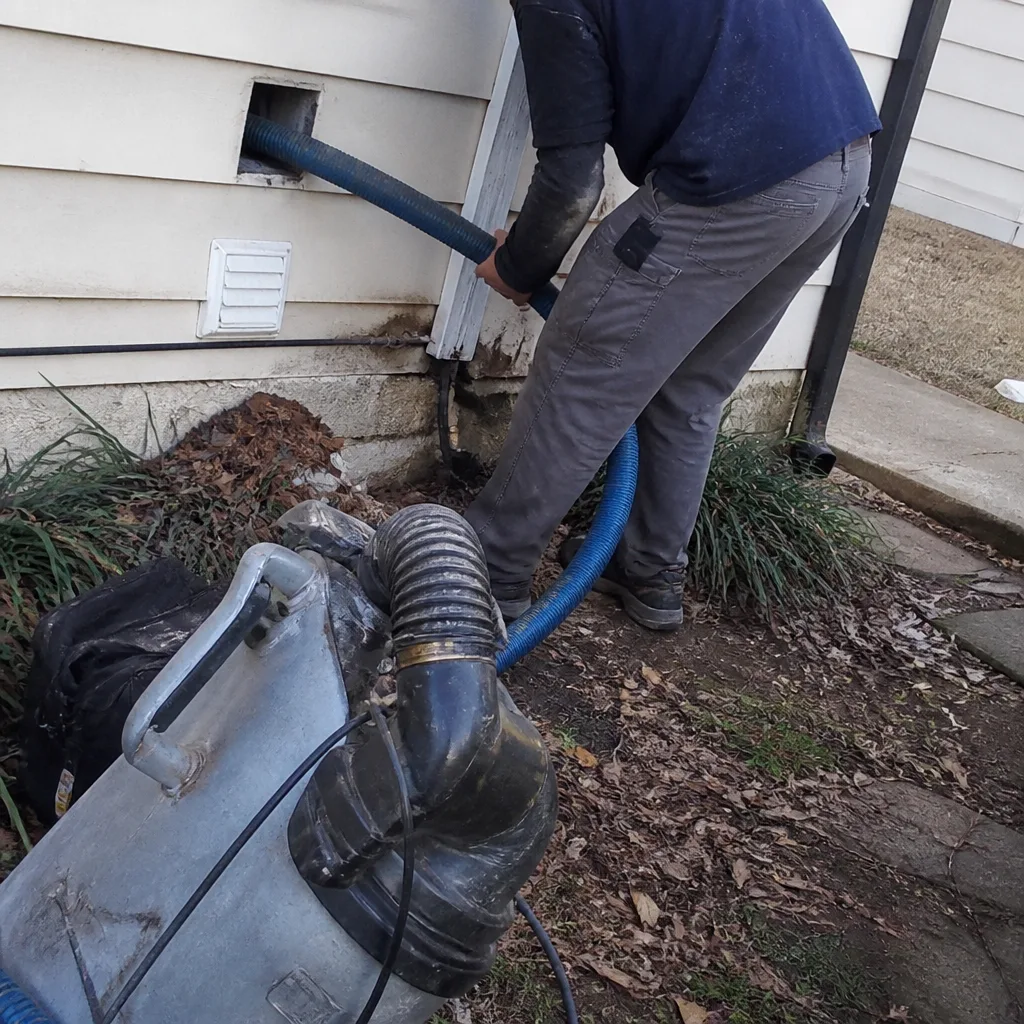 Before
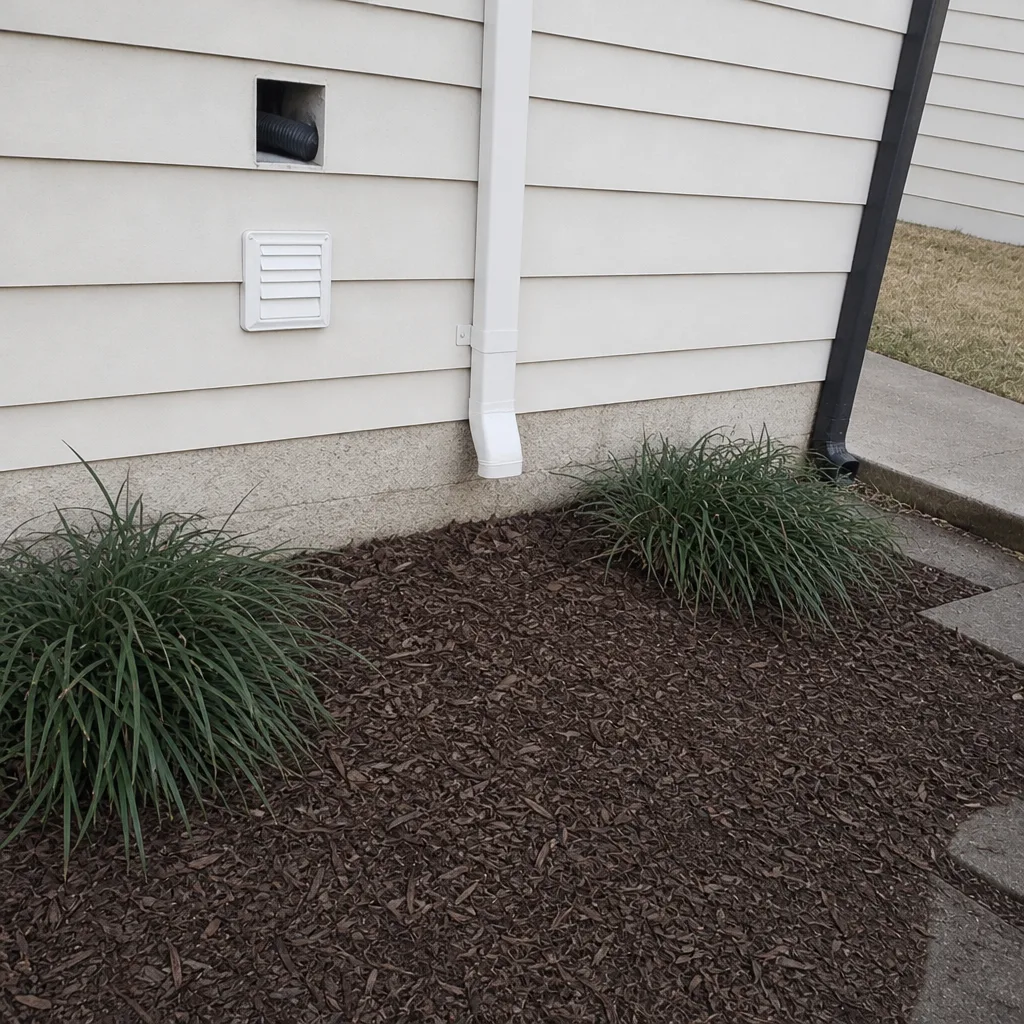 After
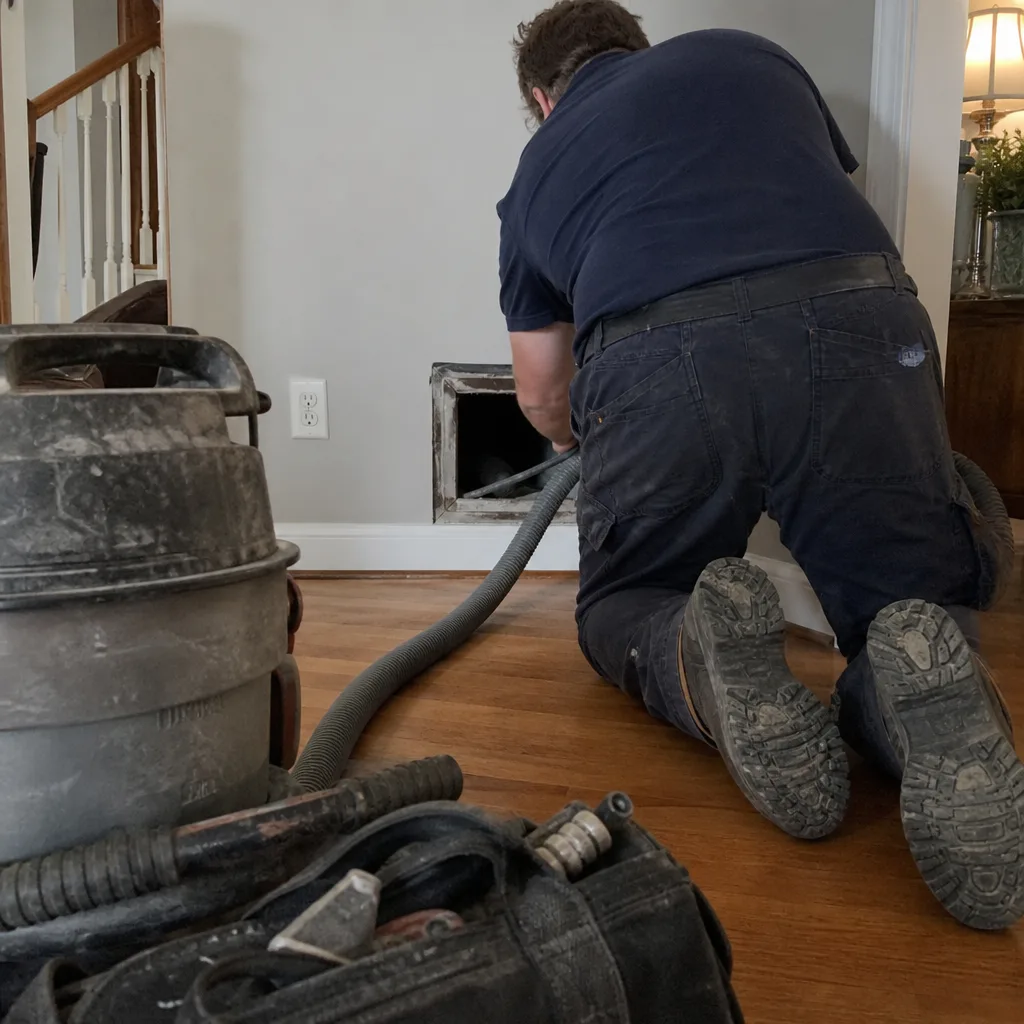 Before
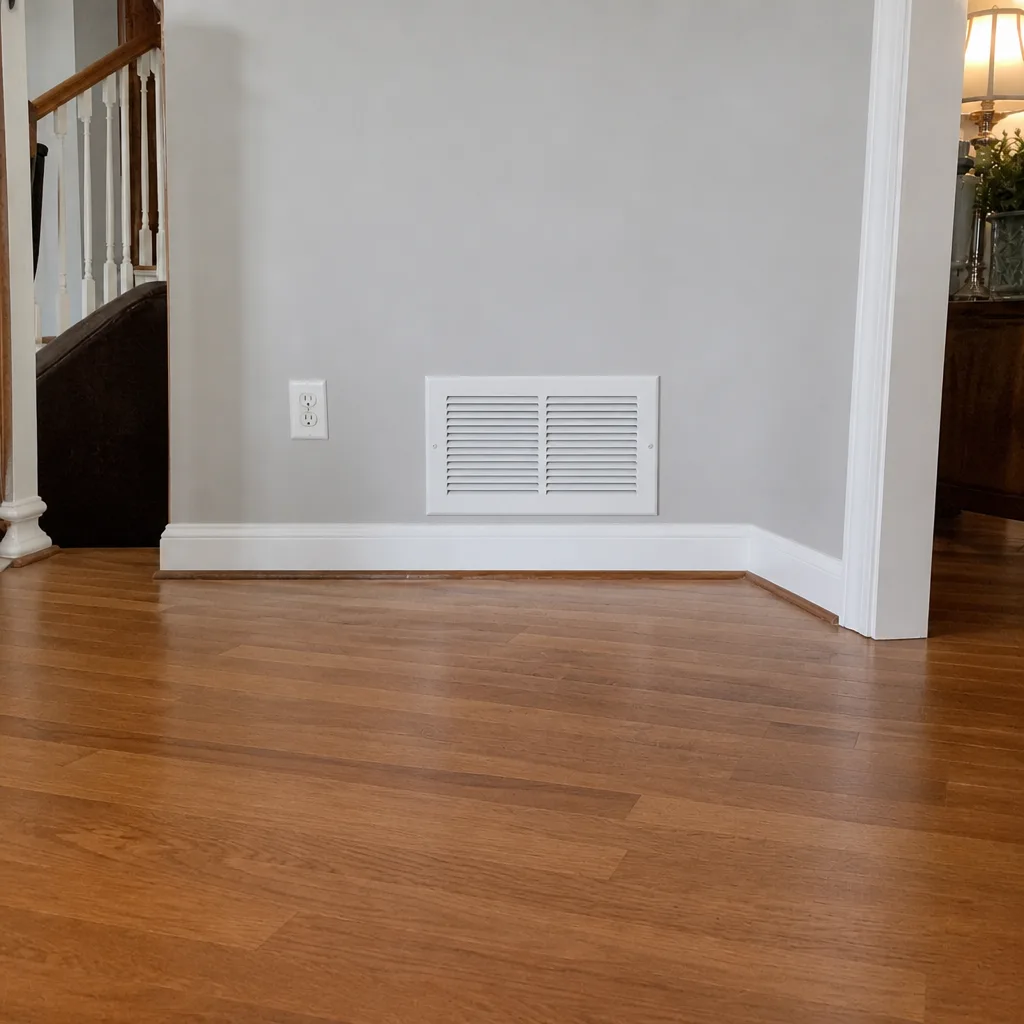 After
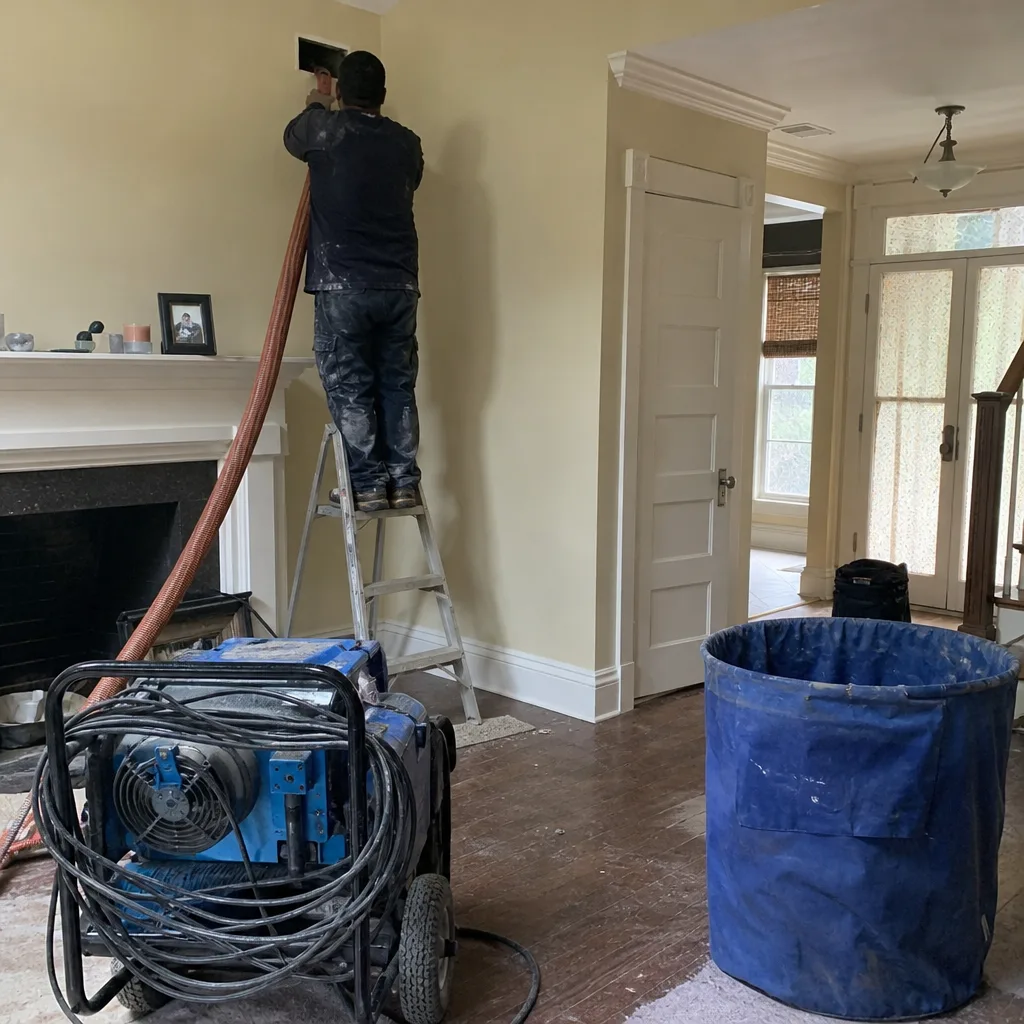 Before
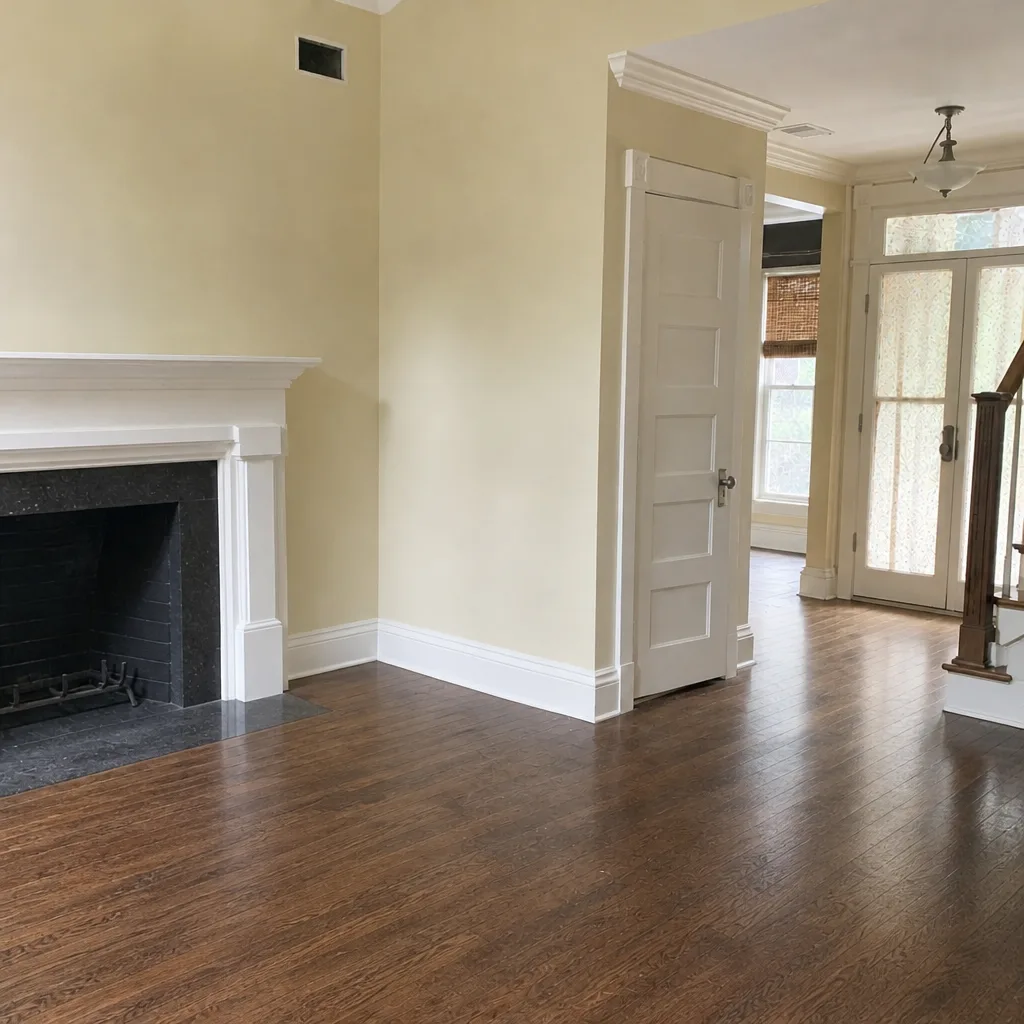 After
When to Call a Professional
Most homes in University City need duct cleaning every three to five years, but several scenarios call for a professional inspection sooner. If you’ve recently finished a renovation or remodel, drywall dust and construction debris end up in the return system and should be removed before the next heating season. If anyone in the household has persistent allergies or respiratory issues, a system assessment is worth doing. If you’re seeing visible dust near the supply vents, uneven airflow between rooms, or a musty smell when the system runs, those are signs worth investigating. Older homes with original ductwork deserve a closer look, particularly if the system has never been professionally cleaned. Dryer vents are a separate but related concern: lint accumulation is a leading cause of house fires, and dryer vent cleaning should be on the same schedule as the HVAC maintenance. University City Air Duct Cleaning offers free estimates in University City. Call (888) 972-5826.
Frequently Asked Questions
Whole-system air duct cleaning in University City typically falls in a range based on the size and complexity of the system, not a per-vent price, and the exact number is set by a written estimate after inspection. We don’t quote per-vent prices because that’s how discount operation pricing hides the return system and coil. Call (888) 972-5826 for an exact quote. Estimates are free.
Cheap quotes are usually cheaper because they cover less. A discounted price often includes only two to four supply vents and excludes the return ducts, the main trunk, the plenum, and the evaporator coil, which is where most of the contamination actually sits. The on-site upsell is how the price catches up. Ask for the written scope and compare the components, not the headline number.
North Carolina does not issue a single statewide license for air duct cleaning, so there’s no license number to verify. What you can and should verify is liability insurance and workers’ compensation coverage, plus whether the technicians doing the work are employees of the company you hired. Call (888) 972-5826 to request current documentation before booking.
Ask for before-and-after photos of your own system, not stock images. A contractor following the NADCA ACR standard takes photos before cleaning and after, and should be willing to show you the inside of the ducts and the coil. If they can’t produce images from your house, the record of the work is thin. Call (888) 972-5826 to request photos as part of any estimate.
Every three to five years is a reasonable schedule for most University City homes, though recent renovations, pets, allergies, or older ductwork can shorten that window. The Piedmont’s humid summers mean condensation and biological growth are worth watching, especially on the coil. A professional assessment tells you whether your specific system is due. Call (888) 972-5826 to schedule one.
Cleaning helps when contamination is restricting airflow, but it won’t fix leaks, disconnected joints, or crushed flex duct, which are common in older University City homes. Those need repair and sealing as well. A full-system assessment identifies which problem you actually have before you spend money on the wrong service. Call (888) 972-5826 for an estimate that covers both.
The Bottom Line
Hiring an air duct cleaning contractor in University City comes down to verifiable specifics: a written scope that names every component, proof of HEPA-filtered professional equipment, recognition of the NADCA ACR standard, and confirmation of insurance and employment status. Price matters, but only after you know what the price covers. The coupon number is a lure; the written estimate is the real quote. Take the extra week to vet the contractor and you’ll avoid the bait-and-switch that gives this industry its reputation. Our team at University City Air Duct Cleaning is here when you’re ready: dryer vent cleaning, HVAC cleaning, and full-system air quality work under one call.
Call (888) 972-5826 for a free estimate. We answer 24/7. Fast dispatch from 7am to 7pm, Sunday through Friday. One flat price per system is agreed before work starts, you’ll see before-and-after photos of your own ducts, and the local pro is licensed and insured as their state requires. Your whole system, one call.
Written by the team at University City Air Duct Cleaning.