
Last updated November 22, 2026
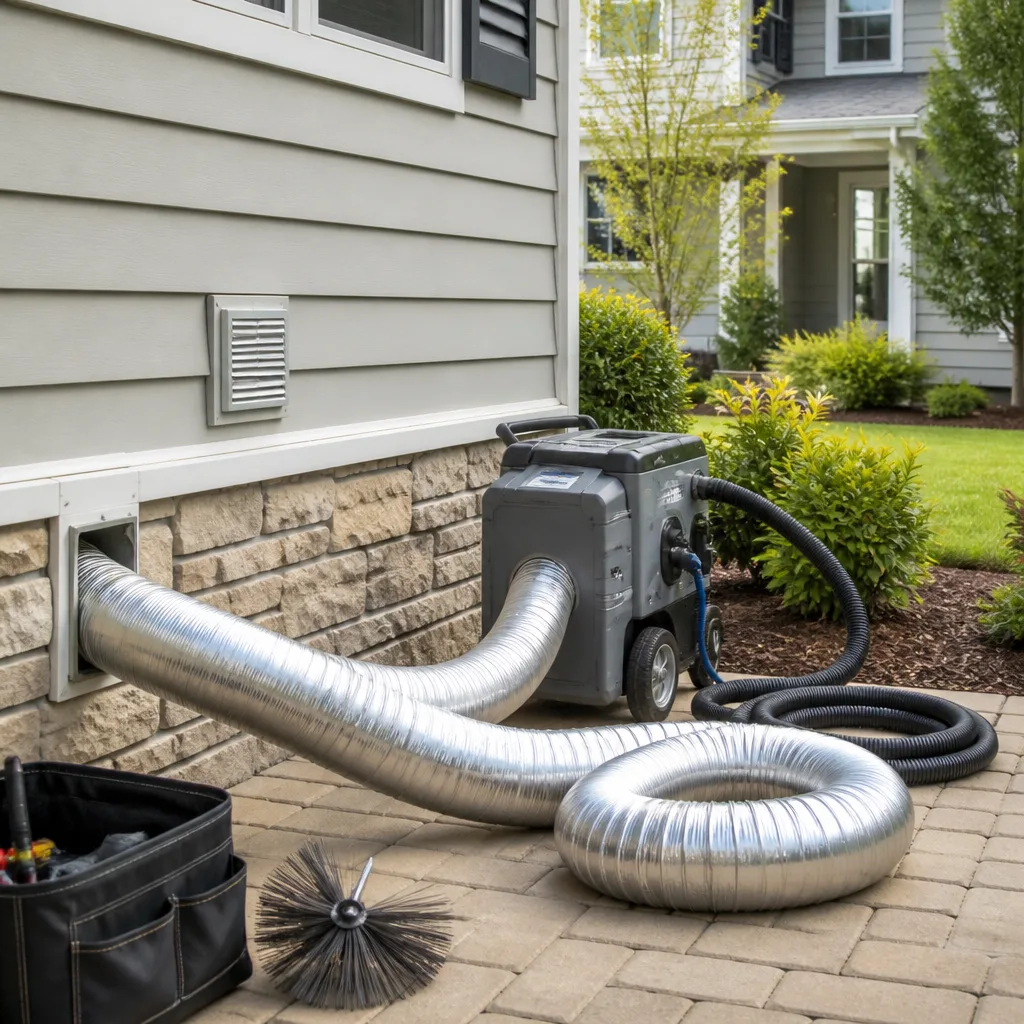 Whole-home duct cleaning
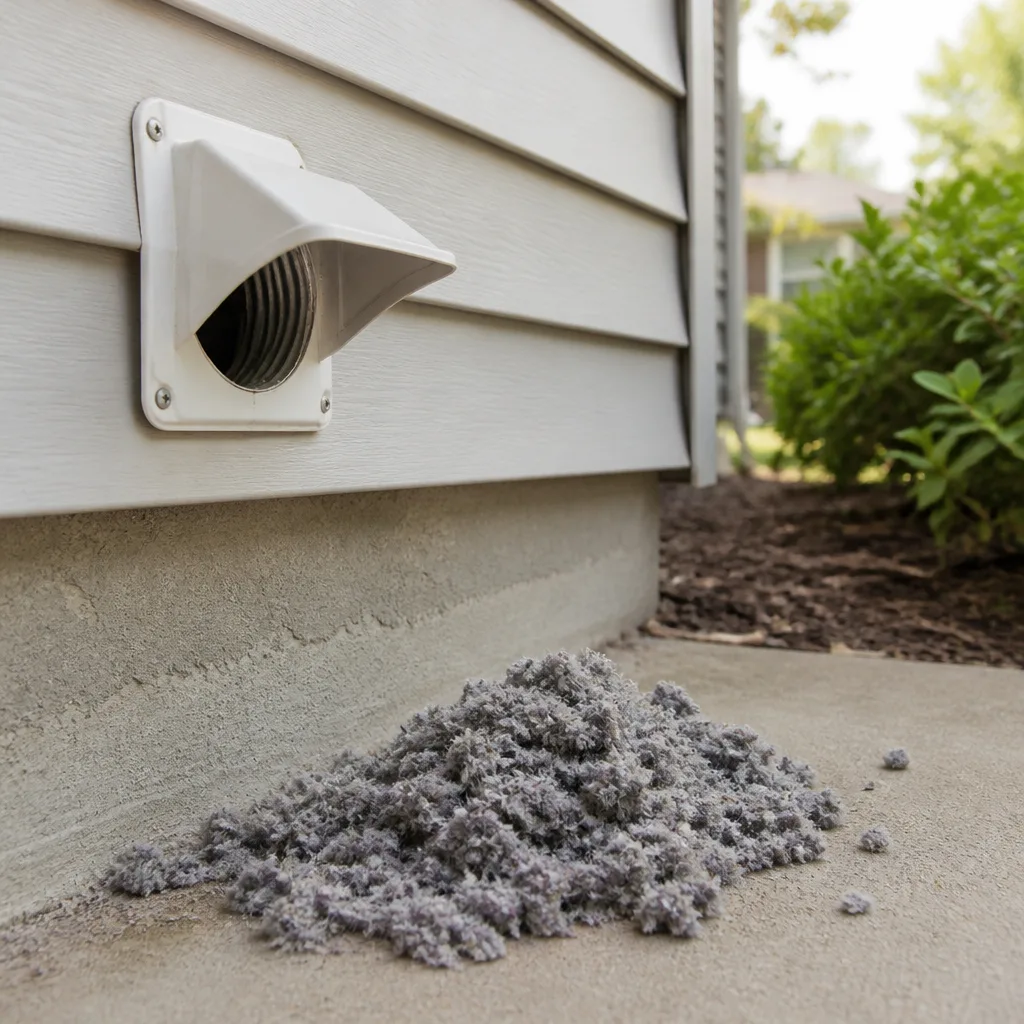 Dryer vent cleaning
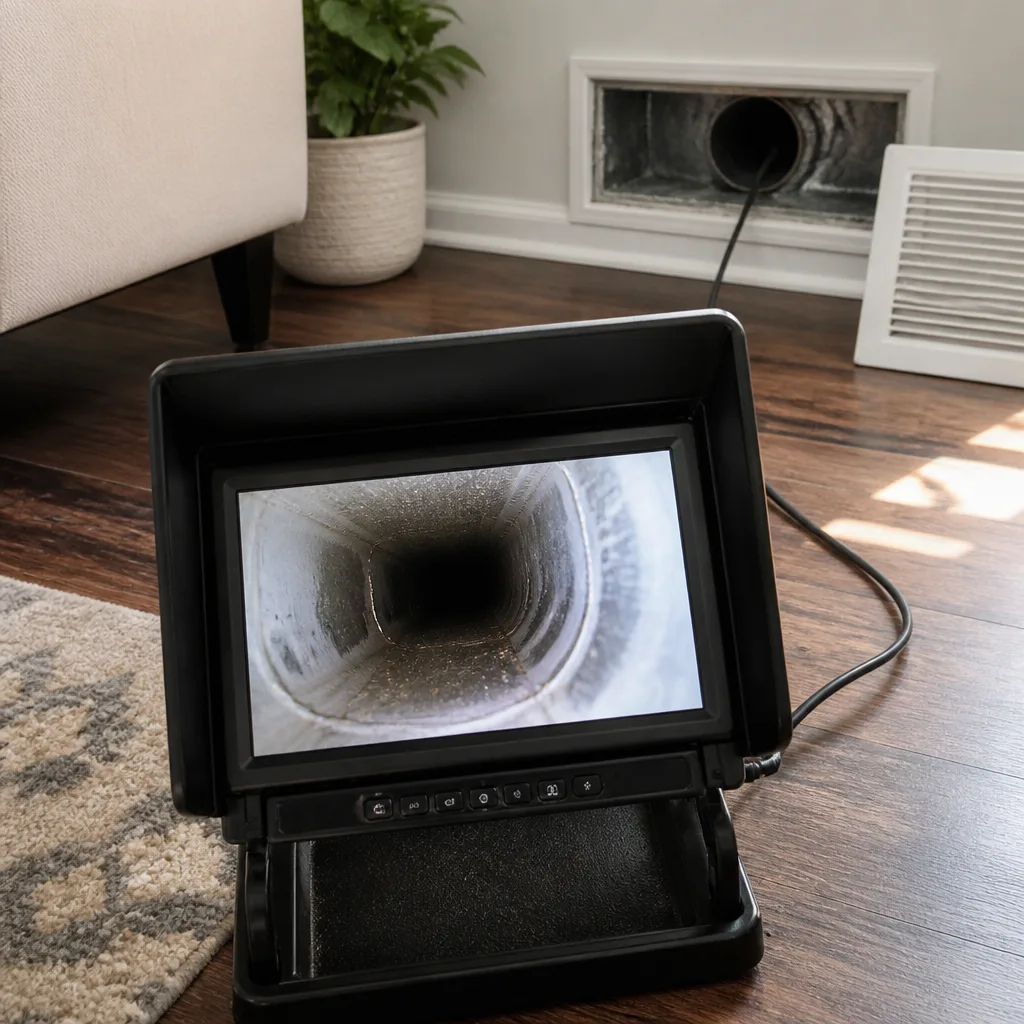 Camera inspection
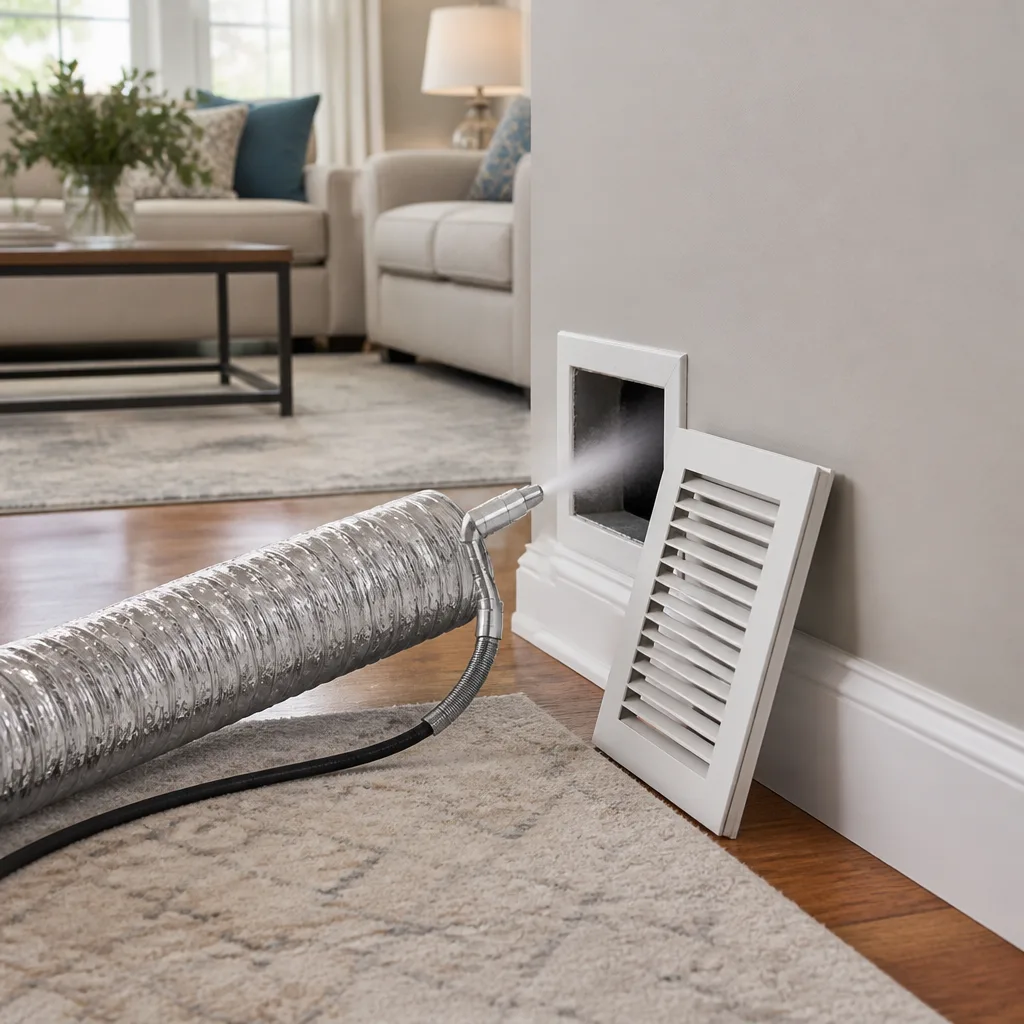 Sanitizing & deodorizing
Whole-system duct and dryer vent check with before-and-after photos - you see exactly what came out of your vents
That "$99 whole-house special" is a bait ad - the real number appears once they are in your hallway, or the "clean" is a shop-vac at the register. We photograph the inside of your ducts before and after instead.
Air Duct Cleaning Cost Breakdown: The University City Homeowner’s Reference for 2026
Two quotes can both say “full duct cleaning” and still describe entirely different jobs. One covers the supply runs and the grilles. The other covers the supply runs, the return trunk, the plenum, the evaporator coil, the blower wheel, the drain pan, and the registers. That difference in scope, more than any difference in labor rate, is why prices in this market swing so widely. Most homeowners in University City are comparing a headline number against a much larger scope without knowing it. This guide breaks the price down component by component, so you can line two quotes up side by side and see what each one actually buys.
Quick Answer
Air duct cleaning in University City typically runs about $350 to $700 for a standard whole-system cleaning on a 1,500 to 2,500 square foot home, with larger or more complex systems landing between $700 and $1,200. A thorough job includes the supply and return systems, the registers, and the accessible components at the air handler, not just the vents you can see. Per-vent quotes usually leave the return system out, which is where the added cost shows up once work begins.
Styles & brands we work with
- Whole-home duct cleaning
- Dryer vent cleaning
- Camera inspection
- Sanitizing & deodorizing
Table of Contents
- What does each component of an air duct cleaning cost?
- Why per-vent pricing underestimates the true cost
- What drives price variation in University City?
- Sanitizing, mold treatment, and sealing: necessary or upsell?
- How to normalize two quotes with a written scope checklist
- Red flags in air duct cleaning pricing
- Why equipment grade changes the price you pay
- Common mistakes to avoid
What does each component of an air duct cleaning cost?
A whole-system cleaning is priced as a bundle, but the bundle is built from parts. Understanding how each component contributes to the total is the fastest way to tell whether a quote is honest. In the Charlotte metro market for 2026, here’s roughly how each line item lands when priced individually:
| Component | Typical 2026 range | What it covers |
|---|---|---|
| Supply duct runs | $150 – $400 | All branch runs from the plenum to each register; source-removal brushing and negative-pressure vacuum |
| Return duct system | $150 – $300 | The return trunk and branches pulling air back to the air handler, often the dirtiest part of the system |
| Plenum (supply and return) | $75 – $200 | The transition boxes at the air handler where air changes direction; collected debris settles here |
| Evaporator coil | $100 – $250 | Cleaning of the accessible coil face; often a separate quote item or an add-on |
| Blower wheel | $75 – $175 | Removal of dust buildup from the wheel blades, which throws the airflow balance off when dirty |
| Drain pan | $50 – $125 | Cleaning and treatment of the condensate pan to prevent microbial growth and standing water |
| Registers and grilles | $5 – $15 each | Removal, washing, and re-seating of the covers, or $100 – $250 for a whole-house set |
| Air handler cabinet | $50 – $150 | Interior surface cleaning of the cabinet itself, above and beyond the coil |
Add those up and the total for a typical 2,000 square foot home inside University City lands in the $500 to $800 range for a genuinely thorough job. That’s the honest whole-system price floor. Anything quoted significantly below it usually means one or more of those lines is missing from the scope.
Why per-vent pricing underestimates the true cost
Per-vent pricing is still the most common quote format in this market, and it systematically understates the true cost of the job. The reason is simple: per-vent quotes only count supply registers. They leave the return system out, and returns are where a large share of the contamination actually lives.
On a 2,000 square foot home, the return side of the system regularly adds $150 to $300 to an honest final invoice. Here’s why:
- The return trunk is bigger. It carries the combined volume of every supply run back to the air handler, so cleaning it takes more time and equipment.
- Debris settles in the return. Air slows as it enters the return, so dust, hair, and pet dander drop out of suspension and collect on the duct floor.
- The return plenum is a trap. Where the trunk meets the air handler, dust piles up against the filter box and the coil face.
- Return grilles are usually larger. A large return grille takes longer to remove, wash, and re-seat than a small supply register.
When you see a quote built from vent count alone, ask the contractor directly: “Does this include the return system?” The answer tells you whether the number you’re comparing is comparable at all. A per-vent quote and a whole-system quote are not the same service at different prices; they’re different services.
What drives price variation in University City?
University City’s housing stock is unusual for the Charlotte metro because it spans so many decades in one place. University City homes range from mid-century brick ranches near the university core to newer construction in the northern neighborhoods, and each era of build shapes what a duct cleaning job actually involves.
Home age: pre-1990 versus newer systems
Homes built before 1990 often have flex duct runs that have had time to collect years of settled debris, and in many cases the joints have loosened or separated. Cleaning a system with failing joints takes longer because the crew has to watch for dust escaping at each connection, and the recommendation to seal those joints is far more common. Newer homes tend to have tighter, more rigid ductwork that cleans faster and stays clean longer.
Crawl space versus attic routing
Duct routing matters in University City. Homes with ducts in a vented crawl space require the crew to work in a confined, humid environment, and the duct runs themselves often have more surface contamination because of the moisture exposure. Attic-routed duct systems are more accessible in one sense but subject to larger temperature swings that stress the joints. Both add labor time, and that shows up in the final price.
System size and layout
A single-system home with one air handler is the simplest job. Multi-zone systems with two or three air handlers, common in larger University City homes, roughly double the component count and multiply the coil, blower, and drain pan line items. Straightforward L-shaped layouts clean faster than long runs with multiple elbows.
Sanitizing, mold treatment, and sealing: necessary or upsell?
Add-ons are where honest pricing and aggressive pricing split most visibly. Some of these services solve a real problem on a specific system. Others get tacked onto every invoice regardless of whether the system needs them. Here’s how to tell the difference.
When sanitizing is genuinely needed
Sanitizing makes sense when there’s a documented biological issue: visible mold growth on accessible duct surfaces, persistent musty odor, or a known moisture problem in the system. It also makes sense after a water intrusion event or a rodent infestation, when cleaning alone won’t reset the system. On a clean, dry system with no odor and no mold, sanitizing is optional.
When mold treatment is warranted
Real mold treatment starts with source control, not fogging. If microbial growth is present in the ducts, the moisture source has to be found and resolved. Our air quality and sanitizing work always pairs remediation with a plan to keep the system dry, because fogging a system that stays wet only delays the problem.
When duct sealing is the right call
Duct sealing solves a different problem than cleaning. If the ducts leak, cleaned air escapes before it reaches the room, and dirty air from an attic or crawl space gets pulled back in. On older University City homes where the flex duct joints have loosened, sealing is a legitimate recommendation. Our duct repair and sealing service addresses that root cause rather than just re-cleaning the same ducts every year.
How to normalize two quotes with a written scope checklist
The fastest way to compare two air duct cleaning quotes fairly is to force both onto the same checklist. A quote that won’t complete the checklist in writing is telling you something. Here’s the four-step process we recommend to every homeowner who calls us after collecting other quotes:
- Write the component list down before you call. Supply runs, return system, plenum, evaporator coil, blower wheel, drain pan, registers, air handler cabinet. Every one of those is a yes-or-no.
- Ask each contractor to mark yes, no, or not accessible for every item. “Not accessible” is a legitimate answer for the coil on some systems, but it has to be written down, not assumed.
- Ask for the total number of supply runs, returns, and air handlers. That number tells you whether the quote is priced for your actual system or for an average guess.
- Ask for before-and-after photos in the written scope. Photos are the only proof that the work described in the quote actually happened.
Once both quotes reference the same components, the comparison becomes real. A $450 quote that covers the supply runs and registers is not cheaper than an $800 quote covering the full system; it’s a smaller job. That’s the single most useful thing we’ve learned to communicate when helping University City homeowners sort through competing bids.
Red flags in air duct cleaning pricing
Most of the trouble in this market comes from a short list of pricing patterns. Knowing them up front saves a lot of frustration.
- Quotes issued without an in-home assessment. A reliable price requires seeing the system layout, the number of air handlers, the routing, and the condition of the ducts. A phone-only quote either pad the price or undershoots the actual job.
- Prices that don’t scale with system size. A home with two air handlers should never cost the same as a single-system house. If the price is identical, the quote is guesswork.
- “Unlimited vents” language. This phrase usually hides a return-system exclusion. Unlimited vents doesn’t mean unlimited returns, and unbounded phrasing is a sign the scope was never defined.
- Coupon pricing without a written scope. A headline number with no attached component list is a price for something, but not necessarily for what you need.
- No mention of equipment. A professional quote names the equipment used, whether that’s a Rotobrush or Nikro system or a similar professional-grade unit. Equipment-free quotes tend to mean equipment-free work.
- Same technician, same price, every house. Real cleaning prices account for the actual square footage, duct layout, and system age. A one-price-fits-all shop is pricing per house call, not per job.
- No photos before and after. The industry’s bait-and-switch reputation exists because too many jobs end without proof. Written scope plus photos is the standard to hold.
Why equipment grade changes the price you pay
Equipment grade is one of the honest reasons prices differ. A shop running consumer-grade vacuums and shop-vacs cleans less of the duct surface and produces a different result than a crew running professional negative-pressure equipment. We use Rotobrush and Nikro duct cleaning systems, the same family of equipment used by commercial and industrial contractors, and we’re trained on Abatement Technologies air filtration and remediation equipment for jobs that need real containment.
That equipment capacity lets us take on the whole system in one appointment rather than booking repeat visits to cover what a lighter setup couldn’t reach. It also shapes the quote: the equipment capacity is what allows us to price a whole-system job as a single lump sum instead of a per-vent charge that never adds up to a definitive scope. For homes where the air quality needs go beyond cleaning, we work with Honeywell and Aprilaire whole-home products, so a single call can move from cleaning to a permanent fix without a second contractor.
When you compare quotes, ask what equipment the contractor brings. If the answer is vague, the price is likely priced for the equipment they use, not for the result you’re buying.
Key Takeaways
- Air duct cleaning in University City typically runs $350 – $700 for a standard home and $700 – $1,200 for larger or multi-system homes.
- Per-vent quotes leave out the return system, which adds $150 – $300 to the honest final invoice on a 2,000 square foot home.
- Real cost is component-driven: supply runs, returns, plenum, coil, blower, drain pan, registers, air handler cabinet.
- Home age and duct routing in University City (crawl space vs. attic) drive real price differences.
- Sanitizing and mold treatment belong only where there’s a moisture or growth problem; sealing belongs where joints have loosened.
- A written scope checklist is the only way to compare two quotes on the same basis.
- Equipment grade is an honest reason prices differ, and it should be visible in the quote.
See the difference
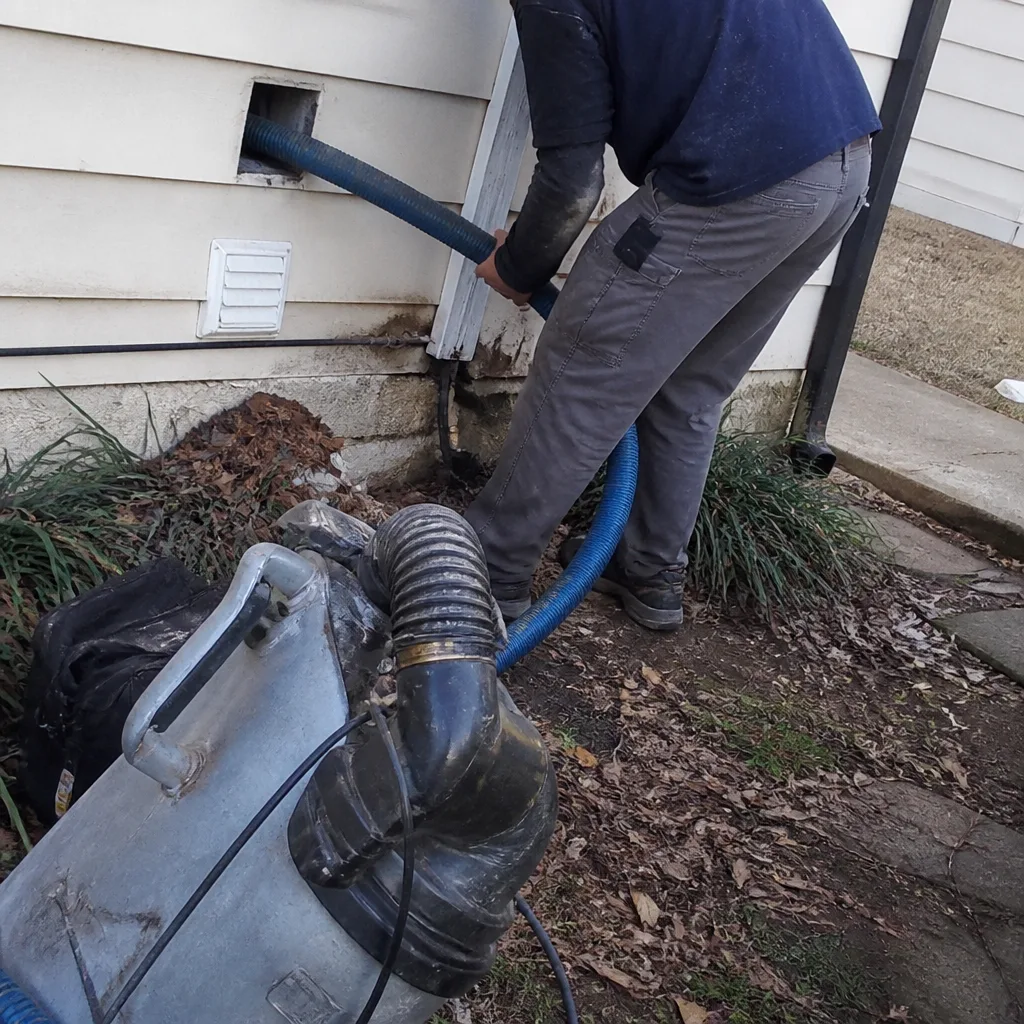 Before
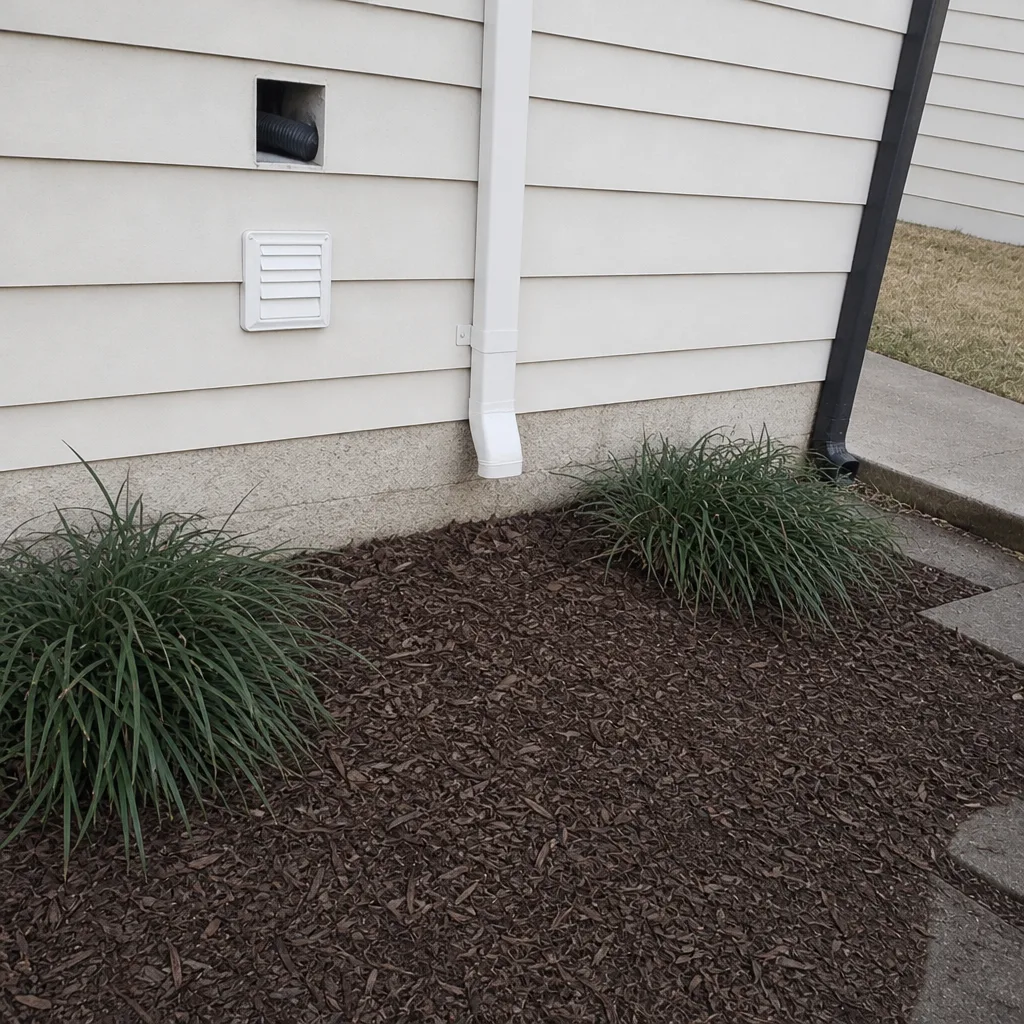 After
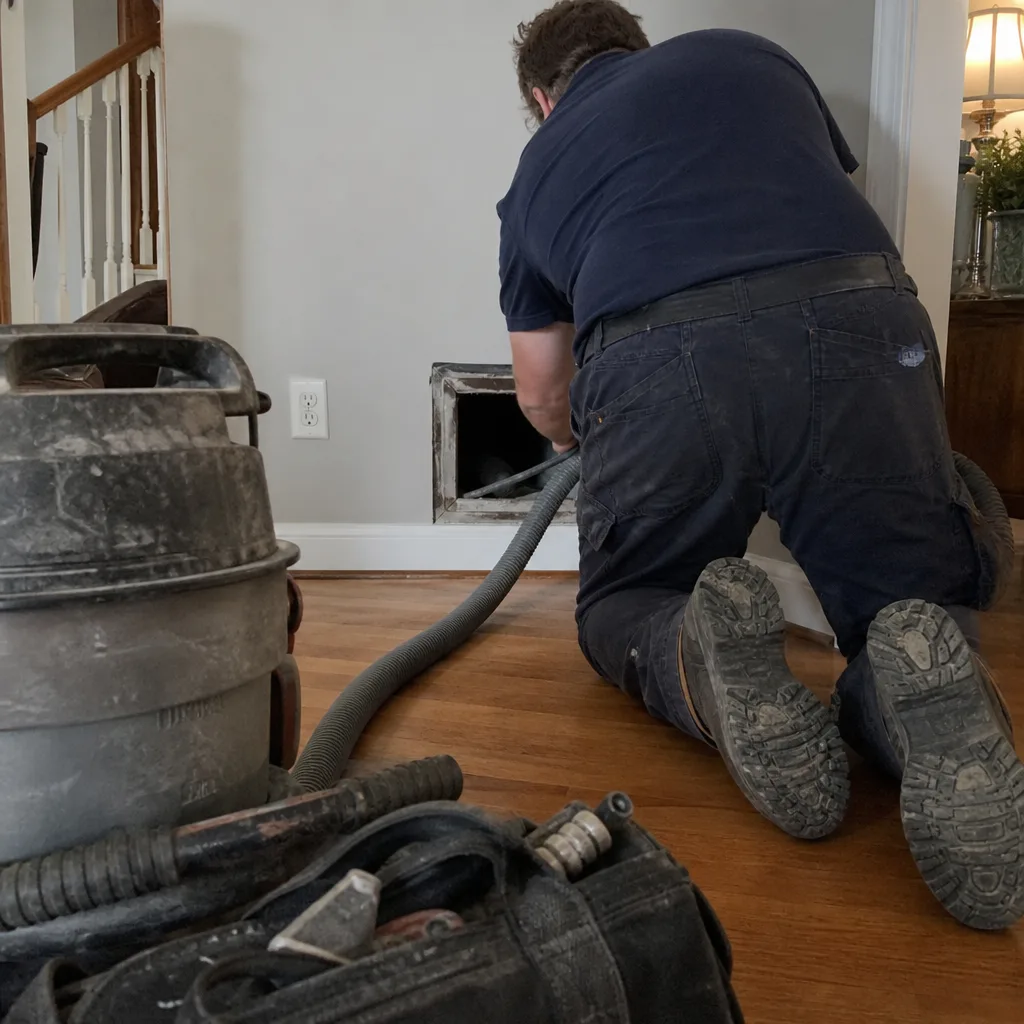 Before
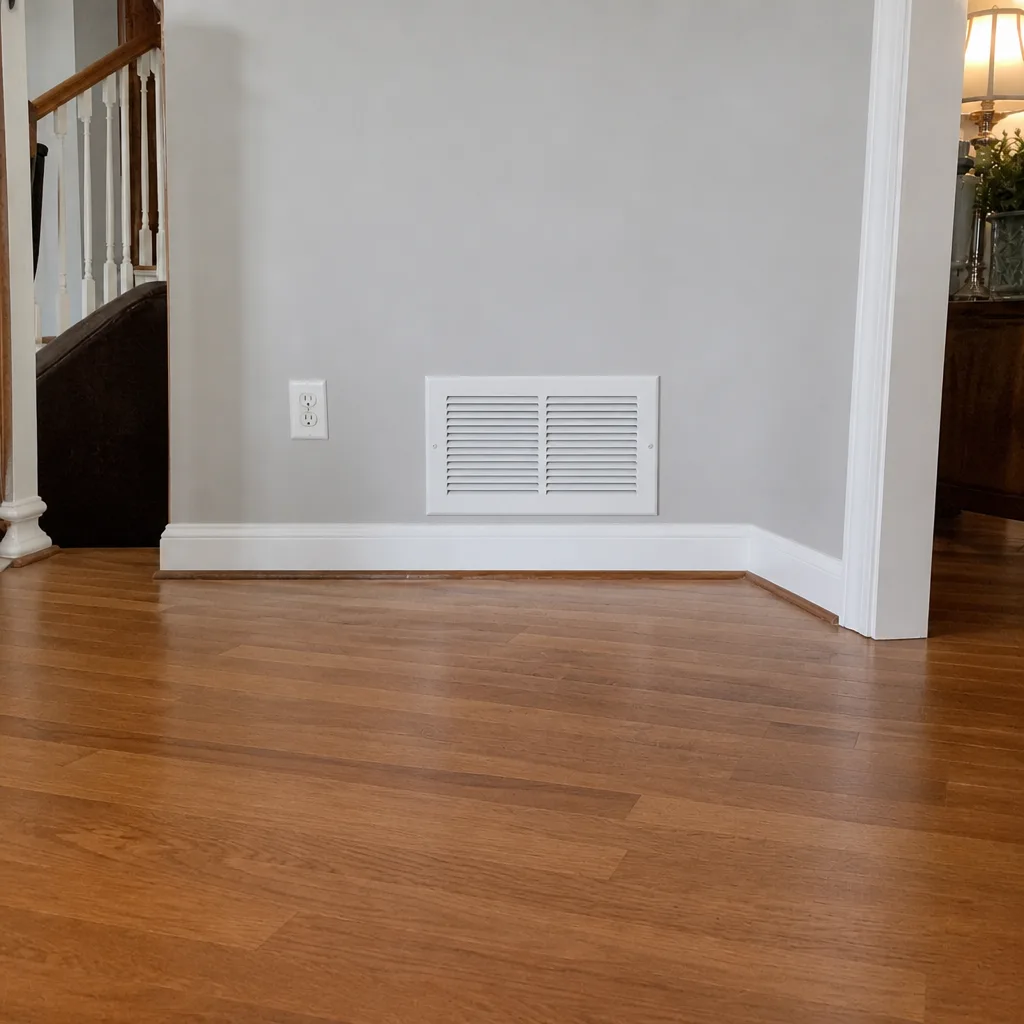 After
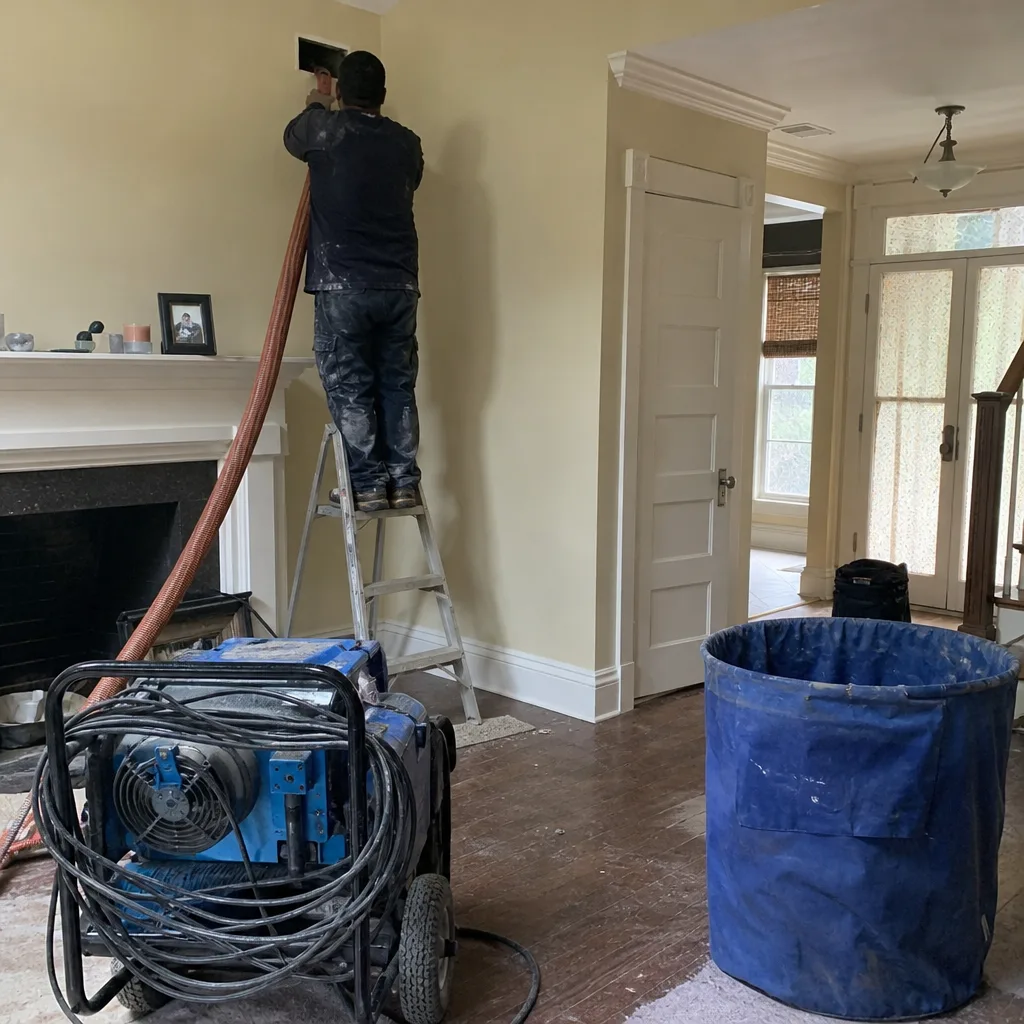 Before
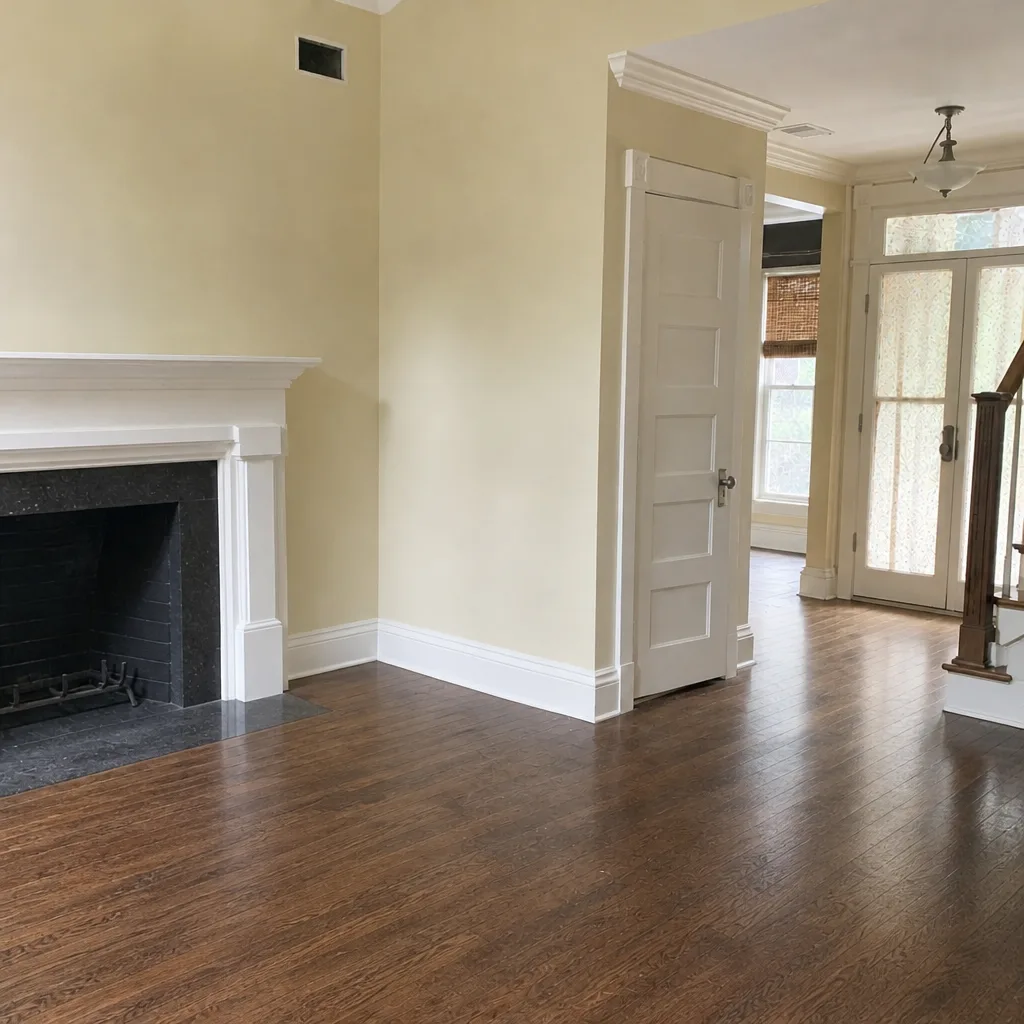 After
Common Mistakes to Avoid
- Comparing headline prices without comparing scope. A $199 quote and a $900 quote can both say “full duct cleaning” while covering wholly different components. Put both on the same checklist before you decide.
- Accepting a phone quote without an in-home assessment. A real price requires seeing the system, and any contractor who prices over the phone is either guessing or quoting the smallest possible job.
- Assuming “unlimited vents” means everything is included. That phrasing is usually silent on returns, and returns are where much of the contamination sits. Ask directly about the return system and the air handler components.
- Buying sanitizing on a system that hasn’t been cleaned. Sanitizing a dirty system traps a chemical layer against the debris. Clean first; treat only if there’s a documented reason.
- Hiring a cleaner who doesn’t address damaged ducts. Cleaning ducts with separated joints re-contaminates the system within weeks. On older University City homes, sealing is often the fix that makes the cleaning last.
- Skipping the dryer vent because it “isn’t an air duct.” The dryer vent cleaning side of a household air system carries real fire risk, and it’s part of the same package of work.
- Ignoring the air handler. Cleaning the ducts while leaving a dust-caked coil and blower wheel in place means the system feeds contamination back into the ducts as soon as the blower turns on. The HVAC cleaning line on a quote is not optional if you want the ducts to stay clean.
When to Call a Professional
Some signs mean it’s time to schedule a service call rather than investigate further. Visible dust streaks shooting out of registers when the system first starts. A persistent musty or burning smell coming from the supply vents. A recent renovation that left construction dust in the air for weeks. Symptoms that spike for allergy-sensitive household members when the system is running. A dryer that now takes two cycles to finish what it used to dry in one. Visible mold on the accessible duct surface at the air handler. Or simply an HVAC system that has served the same house for many years without the ducts ever being cleaned.
In any of those cases, the honest next step is a written scope and a price agreed before work begins, with before-and-after photos of your own ducts at the end. University City Air Duct Cleaning offers free estimates in University City. Call (888) 972-5826. We answer 24/7. Fast dispatch from 7am to 7pm, Sunday through Friday.
Frequently Asked Questions
A standard whole-system cleaning in University City usually runs $350 to $700 for a 1,500 to 2,500 square foot home, and $700 to $1,200 for larger homes or homes with multiple air handlers. Add $150 to $300 for the return system if a quote leaves it out. Call (888) 972-5826 for an exact quote – estimates are free.
Cheaper quotes typically cover a smaller scope, most often leaving out the return system, the plenum, and the air handler components. They may also use consumer-grade equipment rather than professional negative-pressure systems. The written scope is the tell. Call (888) 972-5826 to see what a full-scope quote for your home looks like.
Ask for before-and-after photos of your own ducts, taken inside the runs and at the air handler, and reference them to the written scope you agreed to. Photos are the only reliable proof that the work described in the quote happened. Call (888) 972-5826 and we’ll walk you through what a documented job looks like.
Most homes do fine with a cleaning every three to five years, and many can stretch longer. Homes with pets, recent renovations, allergy-sensitive occupants, or older ductwork need it more often. Call (888) 972-5826 and we’ll help you figure out where your home actually stands.
Usually yes, because pre-1990 homes often have flex duct with loosened joints that take longer to clean safely, and they’re more likely to need sealing afterward. Crawl space routing adds labor time. A quote built around your actual system accounts for both. Call (888) 972-5826 for a walkthrough.
A phone quote can only give you a rough range; a written price needs an in-home look at your system’s components and layout. Quotes issued without seeing the system tend to drift once work begins. Call (888) 972-5826 to book a free assessment.
After. The correct sequence is to finish the renovation, then clean the system once the dust has settled, because cleaning beforehand just re-contaminates the ducts. If you’re mid-renovation, we can recommend timing. Call (888) 972-5826 for guidance.
The Bottom Line
Air duct cleaning pricing in University City looks confusing because two quotes that use the same words can cover wildly different scopes. The fix is a written component checklist: supply runs, returns, plenum, coil, blower, drain pan, registers, and air handler cabinet, each marked yes, no, or not accessible before work begins. Once both quotes reference the same components, the comparison becomes honest, and you can see whether the cheaper number is actually cheaper or just smaller. One flat price per system, agreed before work starts, with before-and-after photos of your own ducts, is the standard worth holding any contractor to. That’s the same standard we work to on every job across University City, from the older homes near the university core to the newer construction on the north side.
If you’d like a written scope for your own home before you make a decision, we’re glad to help. University City Air Duct Cleaning is your resource for full-system indoor air quality work across University City. Call (888) 972-5826. We answer 24/7. Fast dispatch from 7am to 7pm, Sunday through Friday. Estimates are free, and the price you’re quoted is the price you’ll pay when we start the job. If you want to see the full range of what we handle, start with University City Air Duct Cleaning and we’ll point you to the right service.
Written by the team at University City Air Duct Cleaning.