
Last updated November 22, 2026
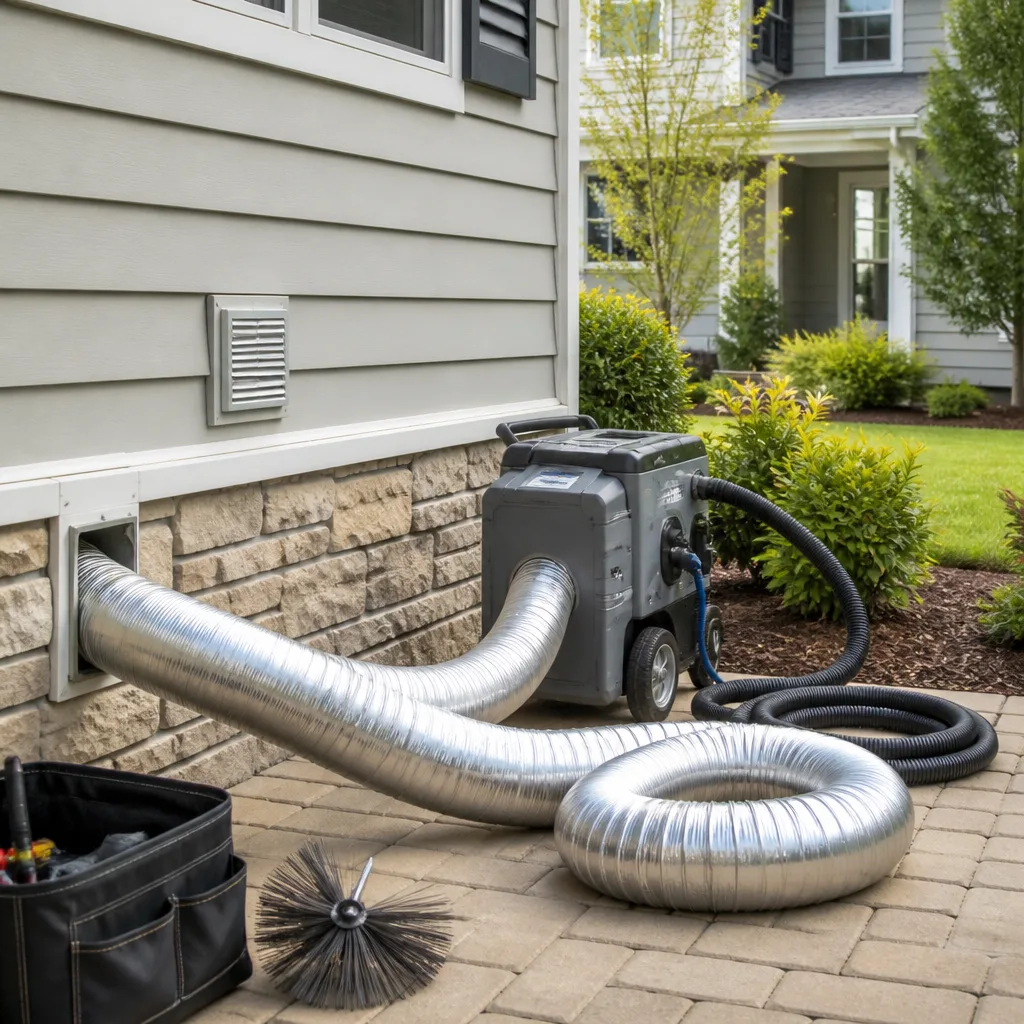 Whole-home duct cleaning
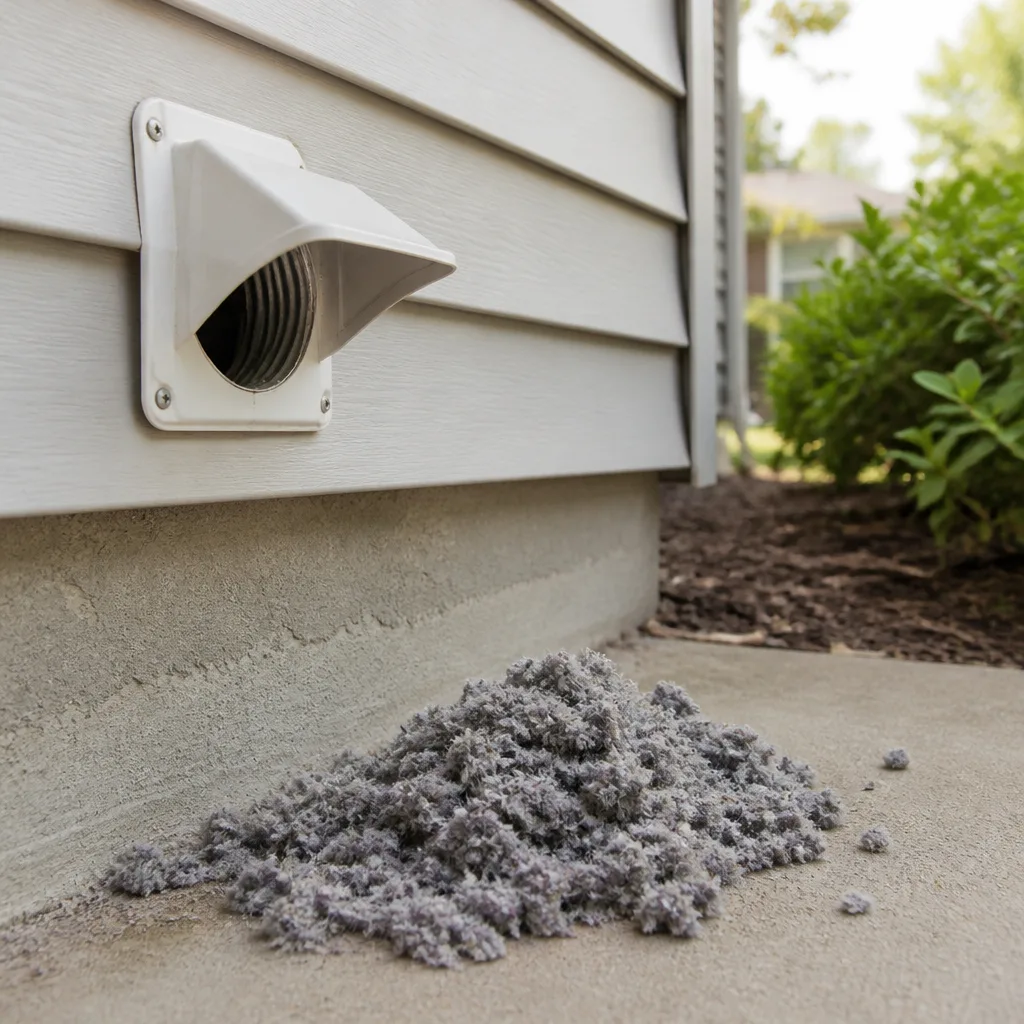 Dryer vent cleaning
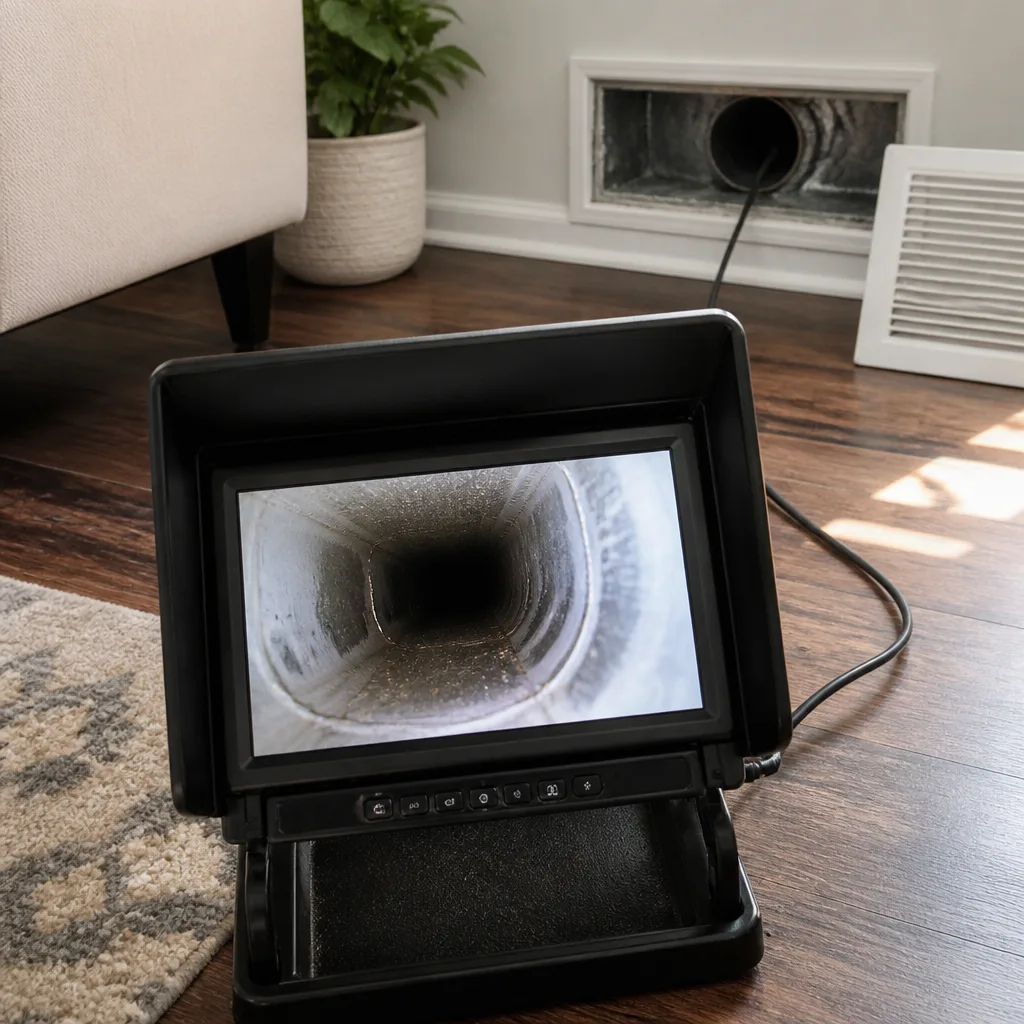 Camera inspection
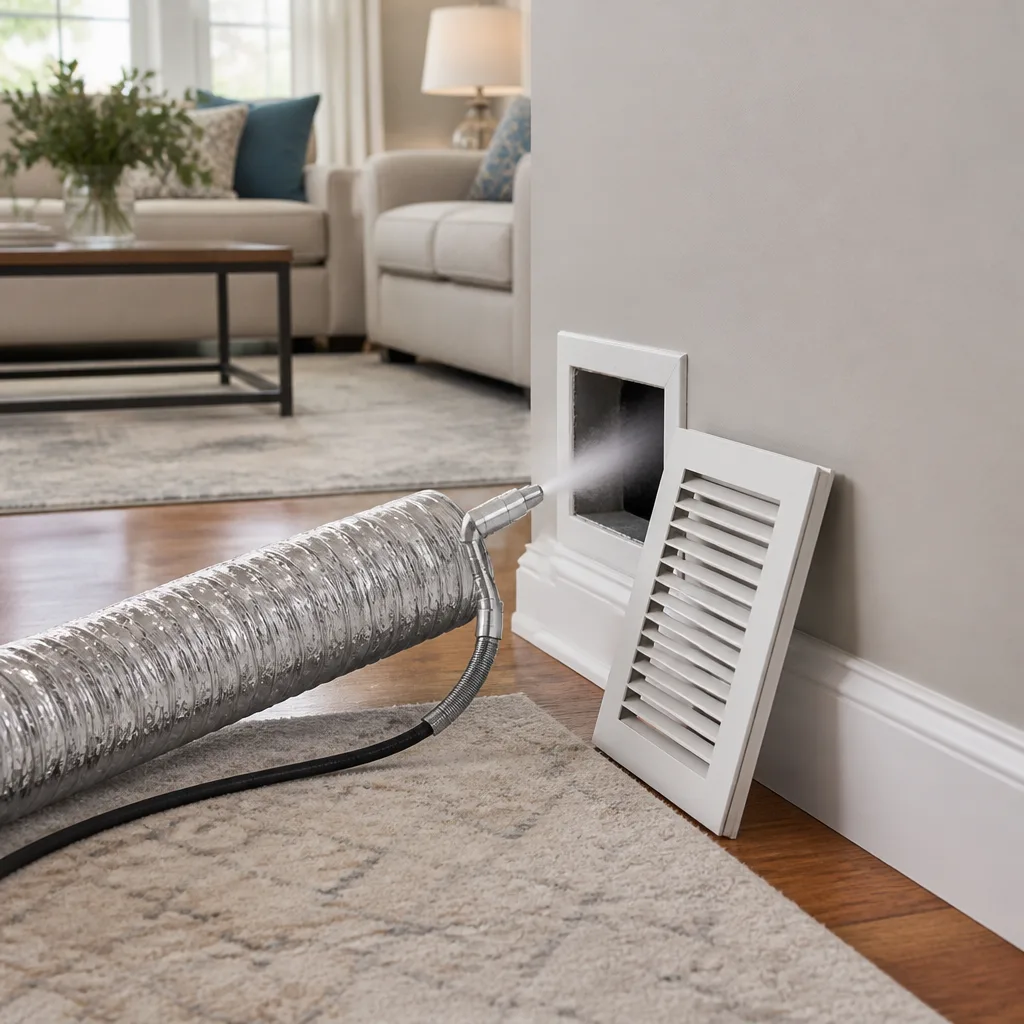 Sanitizing & deodorizing
Whole-system duct and dryer vent check with before-and-after photos - you see exactly what came out of your vents
That "$99 whole-house special" is a bait ad - the real number appears once they are in your hallway, or the "clean" is a shop-vac at the register. We photograph the inside of your ducts before and after instead.
Air Duct Cleaning Maintenance Checklist for University City Homeowners
Most homeowners wait for a symptom they can see or smell before they think about their ducts. That’s the mistake. By the time a musty odor reaches the living room or a dust film settles on the furniture hours after cleaning, contamination loading has usually been building for 18 to 24 months. Duct care isn’t a cleaning reminder you act on when things get bad; it’s a diagnostic schedule that catches moisture intrusion, loose joints, and filter bypass while they’re still cheap to fix. This guide gives University City homeowners a month-by-month, season-by-season checklist built around the specific failure points our technicians look for here: our humid summers, our mix of older and newer housing stock, and the way heat pumps and air handlers actually run in this climate.
Quick Answer
A practical air duct maintenance checklist for University City homeowners runs on three rhythms: check filters and registers monthly, inspect accessible ductwork and connections quarterly, and schedule a professional whole-system cleaning and inspection every one to three years depending on household conditions. The key is timing professional cleaning by HVAC runtime hours and visible warning signs rather than by the calendar alone.
Styles & brands we work with
- Whole-home duct cleaning
- Dryer vent cleaning
- Camera inspection
- Sanitizing & deodorizing
Table of Contents
- The Monthly Checklist: Filters, Registers, and Airflow
- The Quarterly Checklist: Ductwork, Connections, and Coils
- The Annual Checklist: What Belongs in a Full-System Review
- Filter Intervals Calibrated to University City’s Pollen Seasons
- Reading Your Registers and Return Grilles for Early Warning Signs
- Logging HVAC Runtime Hours to Time Professional Cleanings
- The Crawl Space Ductwork Checklist
- Common Mistakes to Avoid
The Monthly Checklist: Filters, Registers, and Airflow
Once a month, spend fifteen minutes with a flashlight and a notepad. This is the fastest-setting rhythm on the checklist and the one that catches the most before it spreads. You’re not doing a deep clean here. You’re confirming that air is moving the way it should and that nothing has shifted since last month.
Work through these points in order. It takes less time than scrolling through your phone at lunch.
- Filter face and frame. Pull the filter and hold it up to a light. If you can’t see light through the media, it’s done. Also look at the frame slot: a filter that sits loose in its track lets unfiltered air slip past, and that bypass is a bigger contamination source than most people realize.
- Every supply register. Hold your hand near the grille. Airflow should feel steady and consistent between registers. A weak register suggests a damper issue, a disconnected run, or a leak upstream in University City’s humid summer months.
- Return grilles. Look at the grille face and the first few inches of duct behind it. A thin, even film of dust is normal. Streaking, dark buildup on one side, or visible debris means the return side is pulling in more than it should.
- Around the air handler. Check for standing water in the drain pan, a wet cabinet, or condensation lines that look clogged. Moisture near the air handler is the early signal of a much bigger problem.
- Noise check. Listen at each register. Whistling or rattling often points to a loose joint or an obstruction that’s restricting flow.
Jot down anything that changed. Patterns matter more than one-off observations. If a return grille that was clean last month is now streaked, that’s data you’ll use when you decide whether it’s time to call for a whole-system inspection. Monthly logging turns guesswork into a diagnostic record.
The Quarterly Checklist: Ductwork, Connections, and Coils
Every three months, add the components you can’t check quickly. This is where University City homeowners get ahead of expensive remediation. A quarterly pass looks at connections, insulation, and the coil area, which quietly collects moisture and biological growth when airflow is off.
- Visible duct connections. Check the joints you can reach in the attic, basement, or crawl space. Loose tape, sagging flex duct, and separated sections leak conditioned air and pull in unfiltered air from surrounding spaces.
- Insulation integrity. Look for crushed, torn, or water-stained insulation. In our humid summers, damaged insulation becomes a moisture trap that feeds mold growth inside the duct lining.
- Evaporator coil area. If you can see the coil, note whether the surface is uniformly clean or showing a matted, gray film. A fouled coil restricts airflow and raises duct contamination over time.
- Drain pan and condensate line. Confirm the pan is dry between cycles and the line flows. Standing water near the air handler invites biological growth that finds its way into the airstream.
- Duct support and strapping. Sagging runs change airflow balance across the system and stress joints. This is a common finding in older University City homes where ductwork has been added to or rerouted over the years.
- Dryer vent. Pull the flexible connector behind the dryer and check for lint packing at the wall connection. This is a fire-safety item, not a comfort item, and it belongs on the quarterly list.
Write your findings on the same log you keep for monthly checks. Two quarters of data tell a story. A joint that loosens once is routine; a joint that keeps loosening points to airflow pressure problems or shifting ductwork.
The Annual Checklist: What Belongs in a Full-System Review
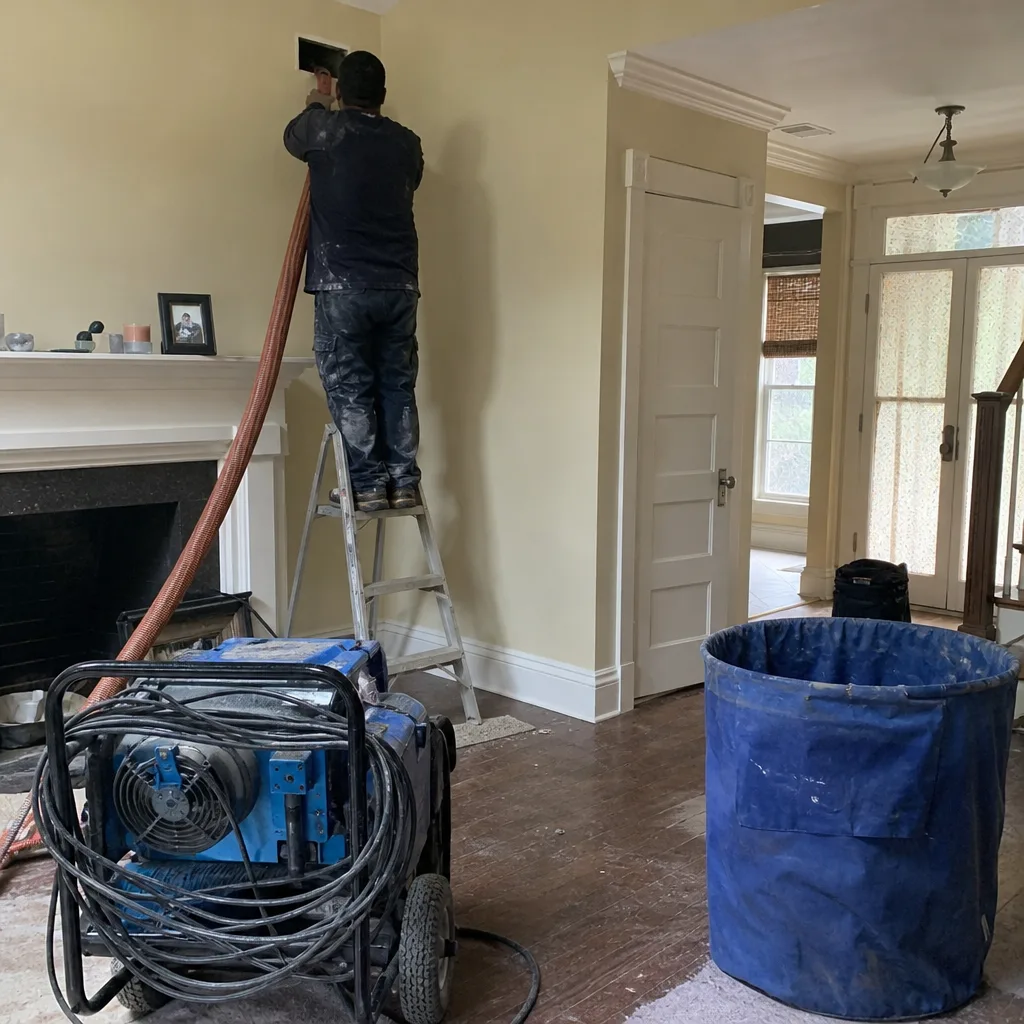
Once a year, schedule a proper full-system review. This is where professional-grade equipment makes the difference: a trained technician can inspect and clean the full air pathway, from the return grilles and air handler through the supply trunk and every branch. In University City, our technicians see the same failure patterns repeat, and the annual review is designed to catch them early.
A thorough annual review usually covers these items:
- Whole-system inspection using camera and airflow tools to see inside the ductwork you can’t reach.
- Source removal cleaning of the plenum, trunk lines, and branch runs with equipment rated for the job, not improvised shop vacs.
- Air handler and coil cleaning to restore design airflow and prevent the moisture film that feeds growth.
- Sealing and repair assessment for any joints, boots, or connections that are leaking or failing.
- Filtration review to confirm the filter rating matches what your system can actually handle without choking airflow.
- Sanitizing decision if inspection finds biological growth or odor sources beyond ordinary dust.
Our five service lines fit this rhythm together: air duct cleaning, dryer vent cleaning, HVAC cleaning, air quality and sanitizing, and duct repair and sealing. Doing them on the same visit solves multiple issues with one appointment, and the inspection findings guide what’s actually called for.
Filter Intervals Calibrated to University City’s Pollen Seasons
Filter changes aren’t a fixed calendar interval. University City sits in a region with distinct spring and fall pollen loads, and our long cooling season means the system runs hard for most of the year. A one-size filter schedule doesn’t fit that cycle.
Here’s how we recommend thinking about it:
- Spring pollen burst. Shorten filter intervals during the peak spring pollen weeks. A filter that would normally last a couple of months may load faster when outside air is thick with pollen and the system is constantly cycling.
- Summer cooling season. In our humid summers the coil works harder, which pulls more moisture out of the air and can carry more fine particles into the airstream. Check filters more often during these months.
- Fall and winter. Heating season runs less consistently in University City, but the system still moves air. Fall pollen and closed-window dust make it a second period worth watching.
- After renovations or moving. Any period of construction dust, carpet replacement, or moving furniture loads the filter fast. Change it right after, not on the usual schedule.
There’s a second issue people miss: an undersized or overly restrictive filter starves the system for air. When airflow drops, the coil and ductwork collect more contamination and the blower motor works harder. A filter that’s “better” on paper but too dense for your system can actually raise duct contamination rates. The right filter is the one matched to your system’s airflow capacity, and confirming that is part of what a professional inspection is for. If you’re not sure what your system can handle, that’s a question for the technicians, and it’s a common one we answer during a full-system review.
Reading Your Registers and Return Grilles for Early Warning Signs
Registers and return grilles are the visible surface of the whole duct pathway. Learning to read them is one of the most useful skills on this checklist, because what shows at the grille often reveals what’s happening downstream in ductwork you can’t see.
At each supply register, watch for these signals:
- Uneven airflow between rooms. One room that cools slower or heats slower than before usually means a leak, a crushed run, or a closed damper upstream.
- Dark streaks or soot lines around the grille edges. Streaking often points to air leaking around the boot or a connection that’s pulling in unfiltered air.
- Visible debris or flaking material when you look up into the supply. This is a sign that the duct interior has deteriorated or that debris is settling in the run.
- Condensation on the grille face during humid months. Dampness on a supply grille usually signals a duct running through a humid space where insulation has failed.
At each return grille, the signs are a little different:
- Heavy, one-sided buildup. Returns pull air from the whole house, so buildup that concentrates on one side suggests an obstruction or a nearby air source that’s carrying contamination.
- Musty smell when the system starts. Odor on startup often means moisture and biological growth are sitting in the return side or in the plenum.
- Lint or pet hair visibly packed into the grille face. A return that loads visibly is a candidate for cleaning before the calendar says so.
Any one of these signs is worth noting. Two or more showing up together is when you move professional cleaning up the schedule.
Logging HVAC Runtime Hours to Time Professional Cleanings
Calendar-based cleaning schedules are a rough approximation. Two homes with identical square footage can have very different contamination loads depending on how many hours the system actually runs and how much dirt is coming in. This is where a runtime log pays off.
You don’t need a fancy meter. A basic approach works:
- Note when your thermostat calls for heat or cool and roughly how many hours a day it runs. A simple tally on a notepad is enough.
- Add up monthly hours. Note the count at the end of each month alongside your filter observations.
- Compare across seasons. University City’s long cooling season means the runtime picture looks very different summer to winter, and the contaminant exposure scales with those hours.
- Watch for a jump. If runtime climbs suddenly without a change in weather or setpoint, that’s usually a duct or airflow issue showing up as extra work for the system.
- Compare runtime hours to filter and grille findings. High runtime plus visible loading is the strongest signal that professional cleaning is due sooner rather than later.
- Use the log when you call for a quote. A technician who knows your runtime profile can tell you what the cleaning should focus on before arriving.
In our experience, homeowners who log runtime make cleaner decisions. They’re not guessing whether “now” is the right time. They have a signal. And they spot the seasonal patterns that predict when loading accelerates.
The Crawl Space Ductwork Checklist
A large share of University City area homes have ductwork that runs through a crawl space or unconditioned basement. That configuration carries moisture risks that attic and in-slab ductwork don’t present in the same way. Our humid climate puts extra pressure on crawl space ductwork because the air moving through those runs can be cooler than the surrounding air, which encourages condensation on the duct exterior when insulation fails.
Add these to your quarterly and annual passes if you have crawl space ductwork:
- Insulation jacket condition. Look for torn or missing insulation on the runs. Bare ductwork in a damp crawl space is a condensation magnet and a mold risk.
- Vapor barrier condition. Confirm the ground barrier is intact and sealed at the edges. A compromised vapor barrier raises humidity in the crawl space and pushes moisture onto duct surfaces.
- Standing water and drainage. Check for low spots where water collects. Any recurring water near ducts is a signal for professional remediation, not a cleaning task to put off.
- Joint integrity. Crawl spaces shift with ground movement and moisture, and that stress loosens duct connections over time. Loose joints pull crawl space air into the living space.
- Pest and debris presence. Animal activity in crawl spaces damages insulation and duct runs. Any evidence of it calls for a professional inspection of the ductwork and, in some cases, repair and sealing.
Crawl space findings often overlap with the repair and sealing service. Cleaning alone doesn’t fix a compromised run, and a compromised run recontaminates a freshly cleaned system fast. That’s why repair has to sit alongside cleaning on the checklist, not after it.
Common Mistakes to Avoid
- Relying on the calendar only. A once-a-year reminder misses the runtime and contamination signals that matter more. Log usage and note what shows up at registers, then decide.
- Buying the densest filter you can find. A filter too restrictive for your system starves airflow and increases contamination downstream. Match the filter to your system, and confirm with a professional if you’re unsure.
- Skipping the return side. Returns are where contamination first enters the system. Cleaning supply registers without addressing returns leaves the source of the loading in place.
- Ignoring small duct leaks. A leak that seems minor is pulling unfiltered air into the system all year. That’s a recurring contamination feed and it’s worth professional attention long before it’s a dramatic problem.
- Cleaning without addressing damaged ductwork. Cleaning a system with torn insulation, loose connections, or failed joints leaves the fix out. A clean system with a broken seam isn’t clean for long.
- Forgetting the dryer vent. Lint buildup in a dryer vent is a fire-safety issue. It’s easy to overlook because it’s not part of the air conditioning ductwork, but it belongs on the same maintenance schedule.
- Hiring on price alone. Consumer-grade equipment and improvised tools can stir settled debris without removing it. Look for professional-grade equipment and a clear process rather than the lowest bid.
See the difference
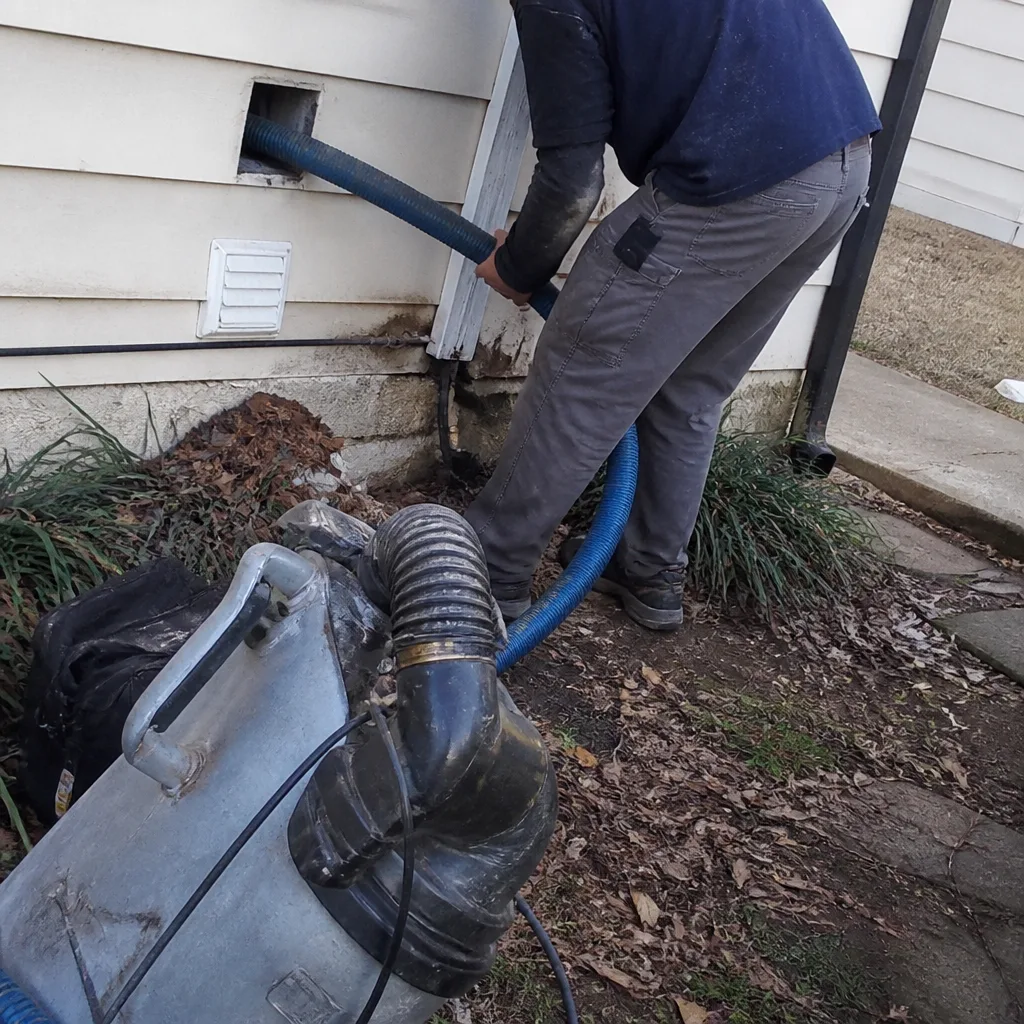 Before
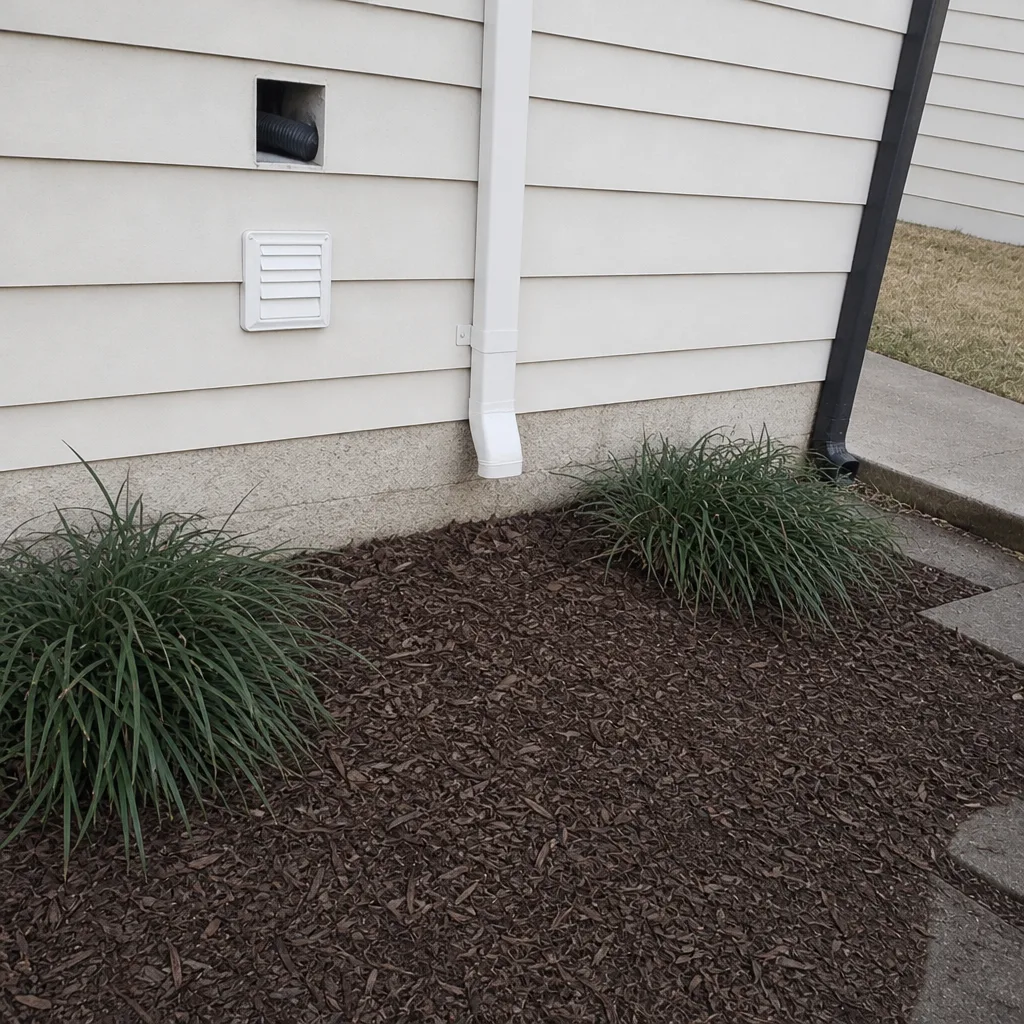 After
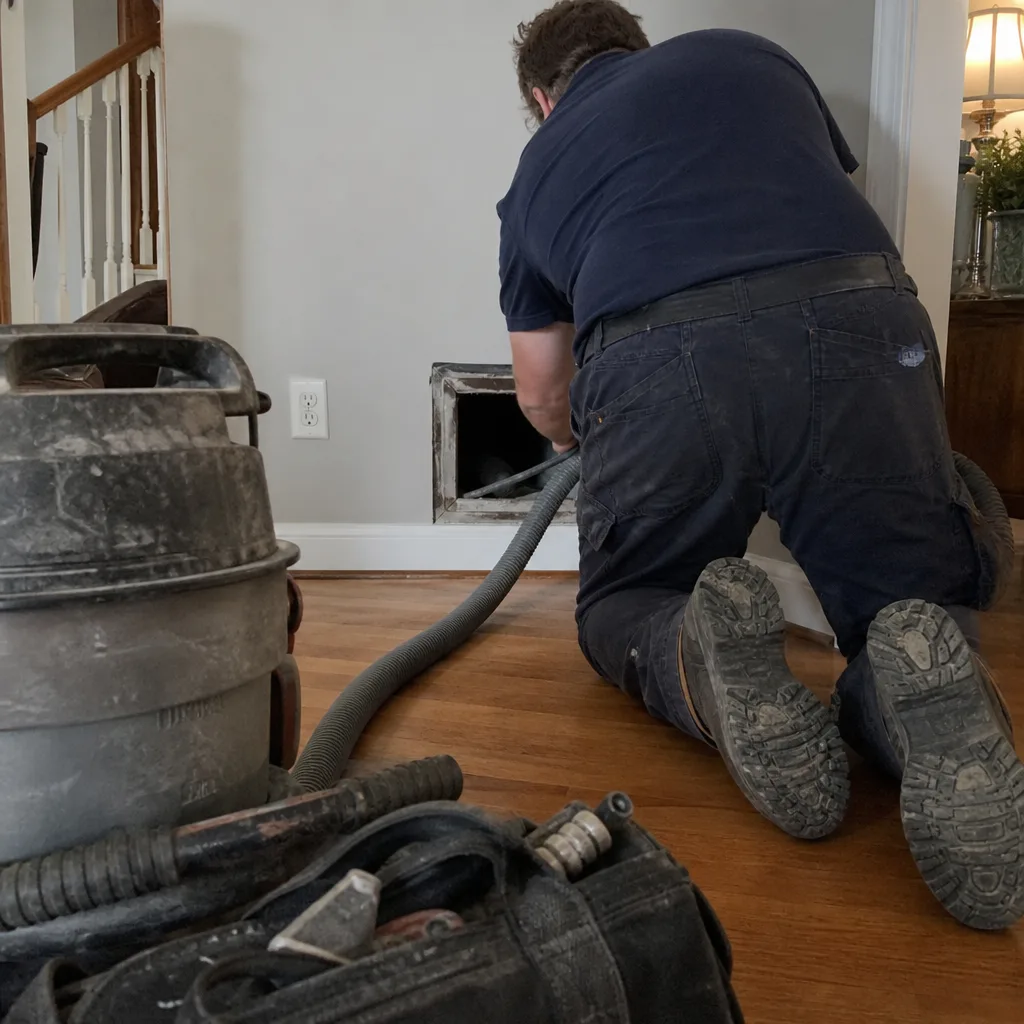 Before
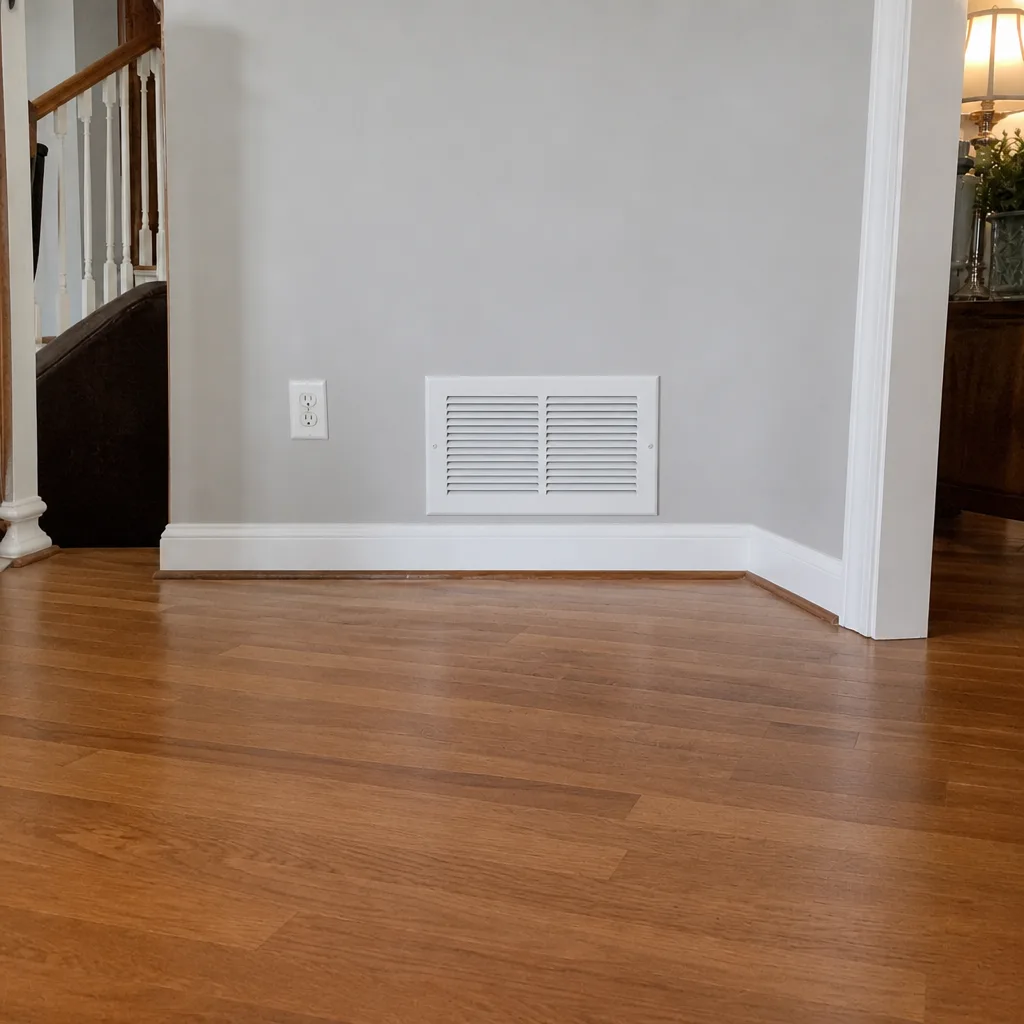 After
 Before
 After
When to Call a Professional
Some checklist items call for more than a filter change or a visual inspection. Bring in a professional when you notice heavy visible debris inside a return or supply grille, a persistent musty smell when the system starts, standing water or repeated condensation near the air handler or crawl space ductwork, or dark streaking around multiple registers at once. Also call when your runtime log and filter observations show loading accelerating faster than your cleaning schedule can keep up with, or after a renovation, pest activity, or water intrusion event. A licensed and insured local professional can inspect the full air pathway and give you a written assessment. University City Air Duct Cleaning offers free estimates in University City. Call (888) 972-5826. We answer 24/7.
Frequently Asked Questions
Most homes should have a professional whole-system cleaning and inspection every one to three years, with the timing driven by runtime hours and what you’re seeing at your registers rather than by a fixed calendar. Homes with pets, allergy concerns, recent renovations, or crawl space ductwork often land on the shorter end of that range. Call (888) 972-5826 for an exact quote. Estimates are free.
Yes, crawl space ductwork needs extra inspection points for insulation, vapor barrier condition, standing water, and joint integrity. Our humid summers make condensation on under-insulated runs a real risk, so crawl space systems need closer attention than ductwork in conditioned or attic spaces. Call (888) 972-5826 for an exact quote. Estimates are free.
Filter changes should shorten during peak spring pollen weeks and stay closer to normal during lower-pollen months, but the right interval depends on your filter type and system airflow capacity. A filter that’s too restrictive can raise duct contamination even though it looks “better.” Confirm the match with a professional. Call (888) 972-5826 for an exact quote. Estimates are free.
Ask for before-and-after photos of your own ducts, and expect a clear explanation of what was cleaned, what was repaired, and what was sealed. A professional process includes inspection findings, not just a finished job. Any quote you receive should make those deliverables clear before work starts. Call (888) 972-5826 for an exact quote. Estimates are free.
Very low quotes often come from consumer-grade equipment and a surface pass that stirs up debris without removing it. Professional-grade machines like Rotobrush and Nikro systems remove debris rather than redistributing it. A low quote that skips the return side or ignores damaged ductwork leaves the root problem in place. Call (888) 972-5826 for an exact quote. Estimates are free.
Monthly filter checks, register observations, and runtime logging are homeowner tasks and worth doing. Professional work belongs at the quarterly and annual inspection points, especially for crawl space ductwork, coil areas, and any repair or sealing decisions. Call (888) 972-5826 for an exact quote. Estimates are free.
The Bottom Line
Air duct maintenance is a schedule, not a reaction. The monthly filter and register checks catch complications early. The quarterly component reviews catch moisture and joint problems while they’re still small. The runtime log turns the annual professional cleaning into a well-timed decision instead of a guess. For University City homeowners, the crawl space and humidity conditions add extra weight to that rhythm. When you’re ready to move from checking to fixing, our team at University City Air Duct Cleaning works with professional-grade Rotobrush, Nikro, and Abatement Technologies equipment and five interconnected services that treat your whole system as one air pathway. Reach out for University City Air Duct Cleaning that fits your schedule and your home. Call (888) 972-5826. We answer 24/7. Fast dispatch from 7am to 7pm, Sunday through Friday. Estimates are free.
Written by the team at University City Air Duct Cleaning.