
Last updated November 22, 2026
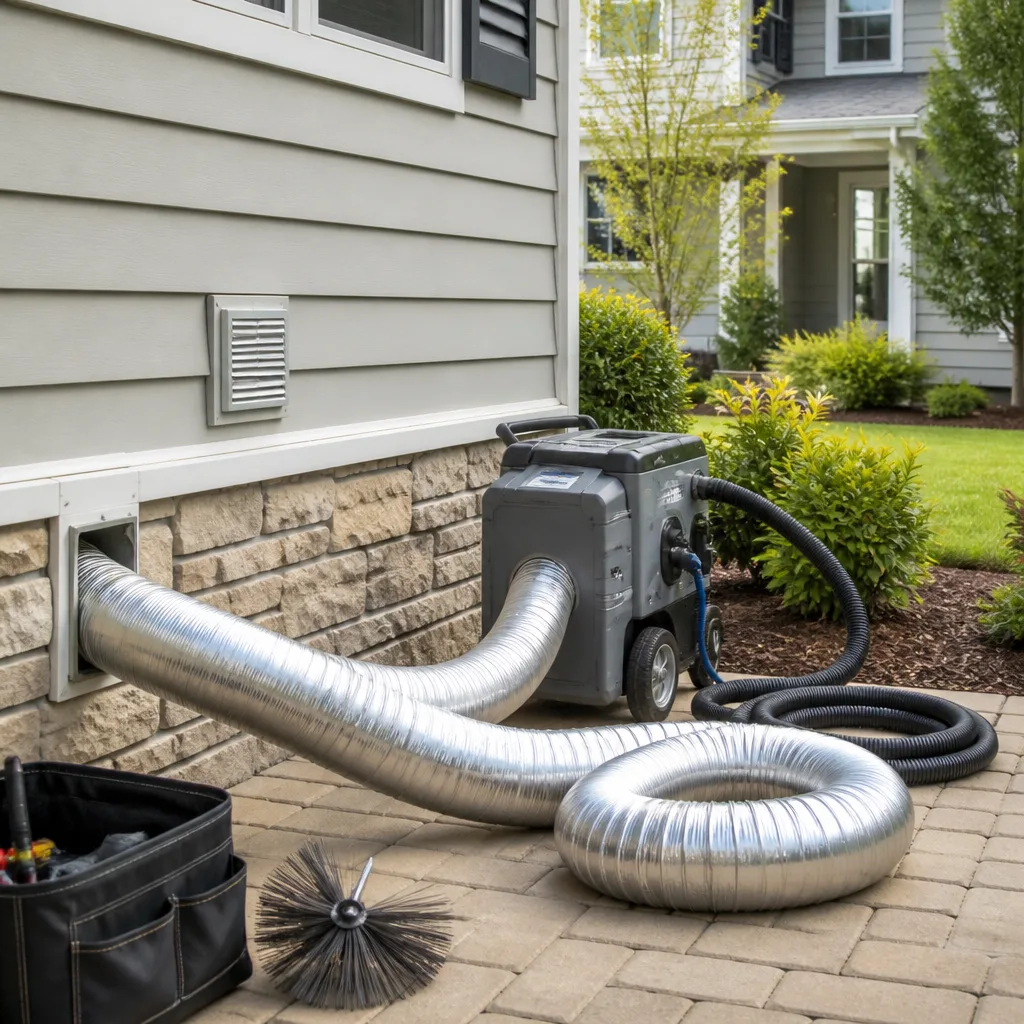 Whole-home duct cleaning
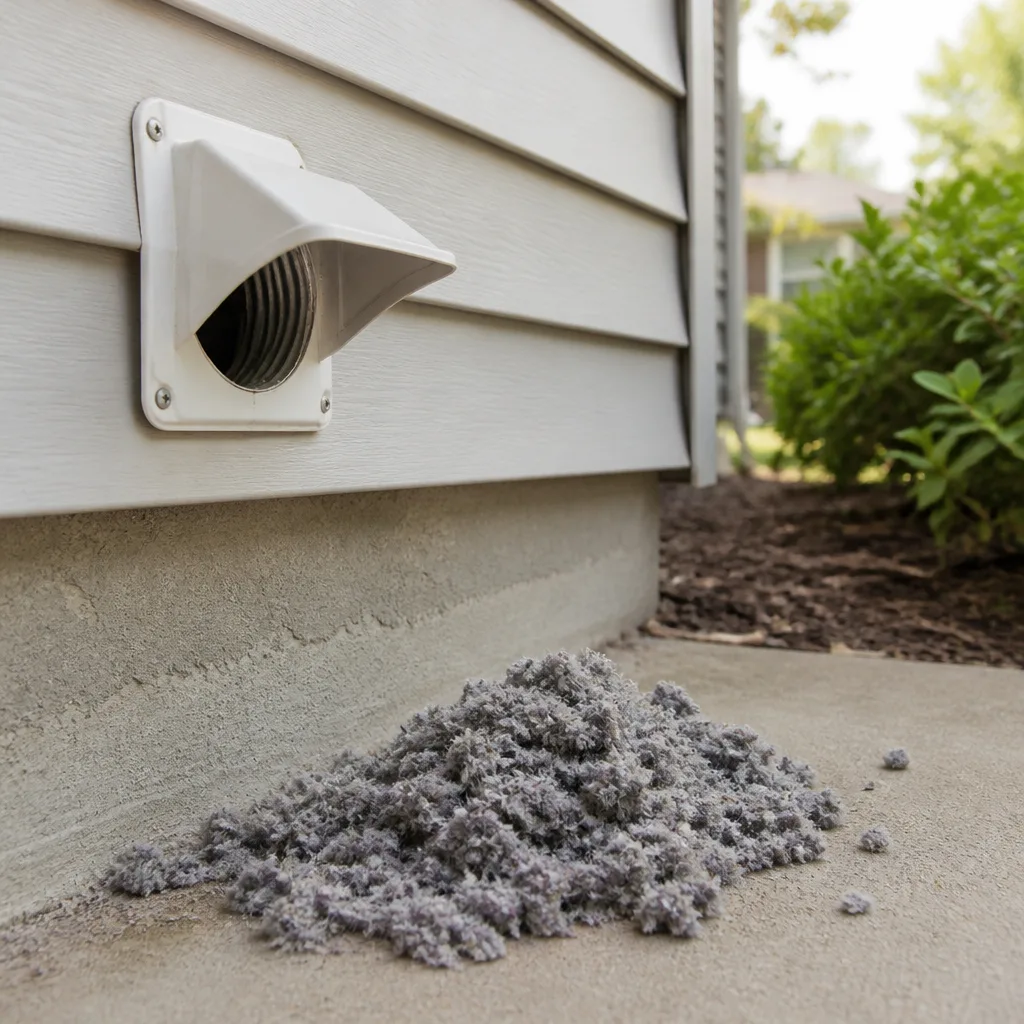 Dryer vent cleaning
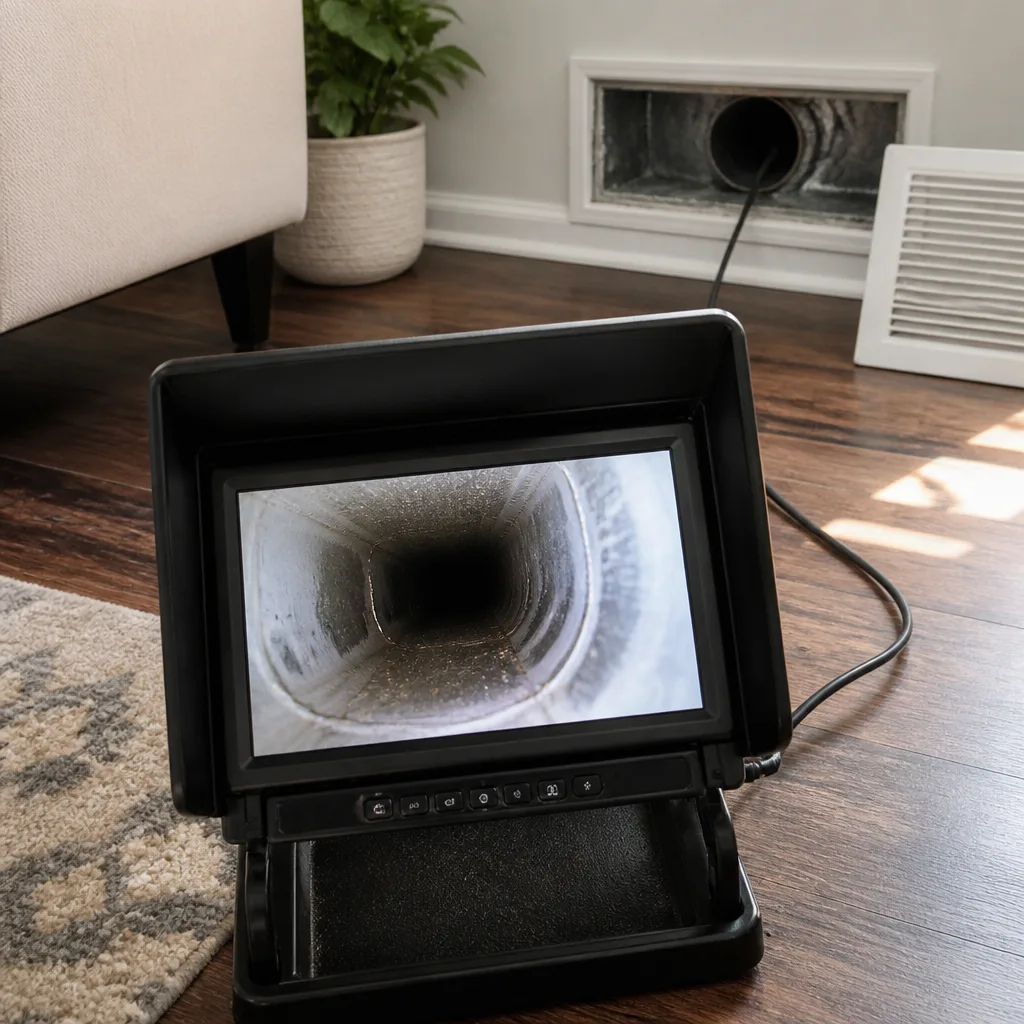 Camera inspection
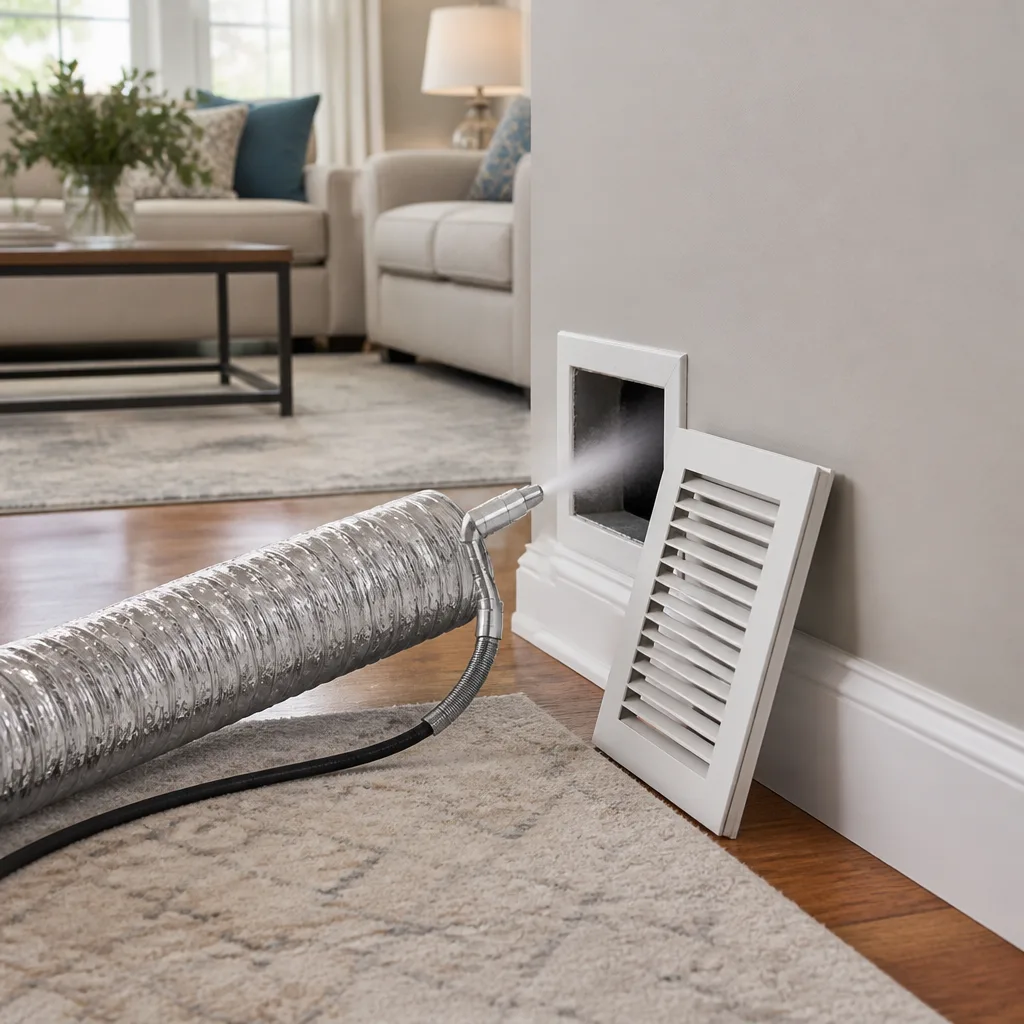 Sanitizing & deodorizing
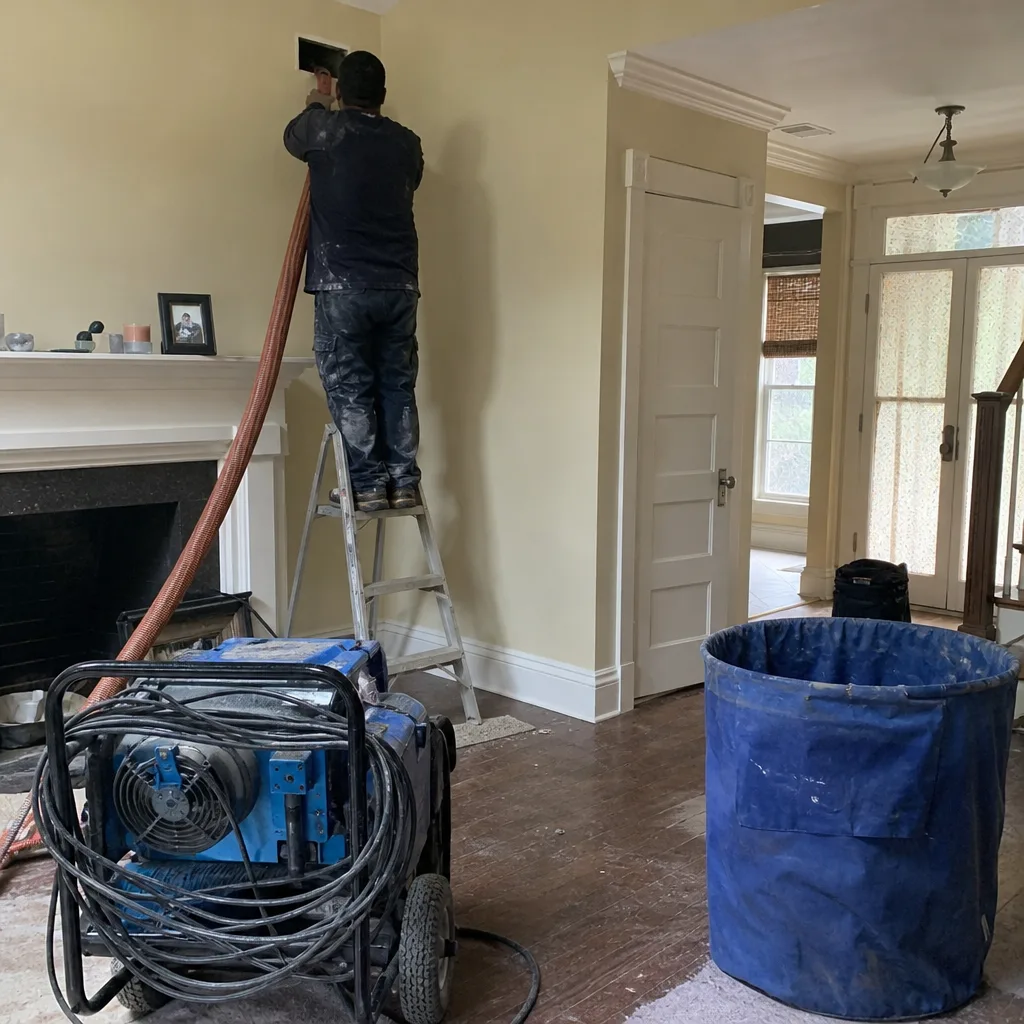
Whole-system duct and dryer vent check with before-and-after photos - you see exactly what came out of your vents
That "$99 whole-house special" is a bait ad - the real number appears once they are in your hallway, or the "clean" is a shop-vac at the register. We photograph the inside of your ducts before and after instead.
Seasonal Air Duct Cleaning Care for University City: Year-Round Homeowner’s Guide
Most homeowners here schedule duct cleaning in January, once the heat has been running for weeks and something in the house smells off. That’s the least effective timing decision you can make. By January, spring pollen, summer humidity, and fall particulate have already cycled through the system for months, and whatever settled in the return ducts is now baked in by moving air. University City’s four-season climate doesn’t create a single annual cleaning problem. It creates four distinct contamination cycles, each with its own timing. This guide maps each season to the specific risk it puts inside your ductwork and to the action that actually addresses it, so you can build a care calendar around real local conditions rather than generic advice.
Quick Answer
Air duct cleaning in University City is best timed to the season that created the contamination, not to the season you notice it. In practice that means inspecting return ducts and the evaporator coil in late spring after the oak and pine pollen peak, watching humidity indicators in summer, checking grilles before the heating season in fall, and cleaning in late winter when reduced cycling has let debris settle into the most accessible window of the year. One professional cleaning, positioned correctly on that calendar, does more than two randomly scheduled visits.
Styles & brands we work with
- Whole-home duct cleaning
- Dryer vent cleaning
- Camera inspection
- Sanitizing & deodorizing
Table of Contents
- Why Seasonal Timing Matters More Than Annual Habit
- Spring: Pollen Loading and Coil Contamination
- Summer: Humidity, Biofilm, and When Sanitizing Is Warranted
- Fall: Particulate Infiltration Before Heating Season
- Winter: Settled Debris and the Highest-ROI Window
- Building Your 12-Month Care Calendar
- Common Mistakes to Avoid
- When to Call a Professional
Why Seasonal Timing Matters More Than Annual Habit
Generic advice says to clean your ducts every two to five years, or “when they look dirty.” That advice assumes air carries the same load year-round, and in University City it doesn’t. A home here runs the heat and the air conditioning for long stretches in the same twelve months, and each one moves a different mix of particles through the same ductwork. The system isn’t a static container. It’s the pathway every cubic foot of your indoor air travels through, repeatedly, in both directions.
We’ve seen how a single timing decision changes the result of a cleaning. Clean in April, before the oak and pine pollen peak, and the return plenum fills back up within weeks. Clean in February, once the system has settled into its quietest season, and the ducts stay cleaner through the spring than they otherwise would. Same job, same equipment, very different outcome.
There’s a second reason timing matters here: the equipment. Professional-grade Rotobrush and Nikro systems do far more than a shop vacuum, which is why we run them, but no machine can clean what hasn’t accumulated yet. Picking the right window is not a sales tactic. It’s a large part of why the work performs.
One more local factor: University City’s housing stock is mixed. There are older homes with metal duct runs that have decades of accumulation, and newer construction with flexible duct in tighter chases. Older metal ducts hold debris differently, and the timing that suits a 1990s build isn’t the timing that suits a house built recently.
Spring: Pollen Loading and Coil Contamination
The Charlotte metro pollen peak typically lands in April and May, and oak and pine are the heavy contributors. Pollen is coarse, sticky, and moves in enormous volume. Much of it never makes it past the return grille, but a meaningful fraction does, and it works its way into the return duct network and onto the evaporator coil as the cooling season begins. Pollen that lands on a wet coil is a different problem from pollen that lands on dry sheet metal.
Here’s what happens in sequence:
- Pollen builds at the return grilles and inside the return ductwork through April and May.
- The cooling season starts, and the evaporator coil becomes wet with condensate.
- The coil’s fins trap pollen and dust, and airflow across the coil drops.
- Reduced airflow means the system runs longer to reach setpoint, and the coil stays wetter for longer periods.
- Wetter, dustier coils give biological growth a foothold going into summer.
The inspection that catches this before it becomes a summer problem is a return duct inspection in late May or early June, before the first sustained hot stretch. We look at three things: the volume of accumulation at the return grilles, the condition of the evaporator coil fins, and whether the blower compartment has traces of bypassing dust.
Spring is also a good time to think about filtration. Homes in University City that use a basic fiberglass filter as a pollen barrier are asking a lot of a low-efficiency media. A pleated filter with a higher MERV rating, matched to your system, does more work without choking airflow. If your system has a whole-home air cleaner, checking that the media is still seated through the pollen season is worth doing before the cooling load peaks.
If you’re covering multiple seasons in one visit, the best single appointment in University City is a full air duct cleaning that includes the coil and blower compartment in the same pass. Cleaning the ductwork without touching a pollen-fouled coil leaves the main contamination source in place.
Summer: Humidity, Biofilm, and When Sanitizing Is Warranted
Sustained interior humidity above 60% relative humidity inside your ductwork creates conditions where biofilm can form on internal surfaces. This is the single most misunderstood issue in duct care. It isn’t visible from a grille, and it doesn’t announce itself with an obvious odor in every case. What it does is sustain a slow, steady load of biological material moving through the same air your cooling system is pushing into every room.
The variables that matter in University City are straightforward. The cooling coil is wet whenever the system is running. During long, humid stretches, the coil stays wet between cycles because condensate doesn’t fully drain. Flexible duct in unconditioned space, which is common in this area’s attic installs, sees its outer layer cool and sweating in July and August. Any small breach in the inner liner lets moisture reach insulation, and from there biofilm has a home.
Inspection indicators we look for in summer:
- Damp, musty, or earthy odor at return grilles while the air handler runs.
- Interior duct humidity readings above 60% RH, measured with a hygrometer.
- Visible moisture or condensation on duct surfaces or at joints.
- Discoloration on the inside of flexible duct liners.
- Dust that clumps or clings to duct walls instead of sitting loose.
When those indicators are present, cleaning alone is often the wrong answer. The right answer is cleaning followed by sanitizing. Professional sanitizing is a calculated application of an EPA-registered product after the ducts have been fully cleaned, so the product reaches surfaces rather than the debris sitting on them. It’s not a substitute for cleaning. It addresses what remains after cleaning.
Sanitizing is not something to schedule routinely. We don’t recommend it as an annual add-on. When humidity loading has done the work described above, sanitizing is the step that closes the loop; when it hasn’t, cleaning and drying out the system gets the job done. Our air quality and sanitizing service exists for the case that actually calls for it, and a duct repair and sealing visit afterwards addresses any moisture entry point that made the problem possible.
Dehumidification is the other half of summer care. A whole-home dehumidifier, or a Honeywell or Aprilaire control that manages runtime and moisture alongside temperature, does more for duct health in a University City August than any single cleaning visit.
Fall: Particulate Infiltration Before Heating Season
Fall is the season when returned-filter bypass and envelope drafts pull particles from outside into the return system. Two sources do most of the work. The first is leaf and yard debris: gutters, attic vents, and foundation openings don’t filter, and a return duct located near a compromised envelope detail will pull air from wherever it can. The second is interior renovation. Fall is the season many University City homeowners schedule projects, and drywall dust and sawdust from a fall kitchen remodel will find their way into return ducts within days if the system runs during the work.
Return grille inspection before the heating season starts is the highest-value check of the fall. It’s simple, visual, and catches the accumulation before the furnace starts cycling and circulating it. What we look for:
- Visible dust matting on the return grille face and behind the fins.
- Dust drifting back into the room with the system off.
- Grilles that whistle or rattle, indicating a return pressure issue.
- Rust staining or discoloration around a grille frame.
- Any return grille within a few feet of a kitchen or a home office where paper dust accumulates.
If any of those show up, that’s the trigger for a HVAC cleaning that includes the air handler, blower, and coil, not just the ducts. Blower wheels trap fine dust during the cooling season and throw a fine film across everything downstream once the heat starts, and cleaning the ducts while leaving a dusty blower wheel in place wastes the appointment.
Fall is also the time to think about the ductwork itself. Older homes in University City with long seams and taped joints develop leaks that pull attic air into the supply side. A duct repair and sealing service before the heating season closes those paths and stops the infiltration at the source. There’s a secondary benefit: sealed ducts mean fewer thermostat overruns in January.
Winter: Settled Debris and the Highest-ROI Window
The mild winter here is deceptive. University City winters are cold enough to run the furnace but not so cold that it cycles constantly. The furnace runs hard in the morning, idles in the afternoon, and runs hard again at night. During the idle stretches, air movement inside the ductwork drops to near zero, and settled debris stays settled. That sounds like a good thing. It isn’t, if the debris has been sitting there since the summer.
What reduced cycling does is let light particles consolidate into denser deposits along the bottom of horizontal runs and inside the return trunks. Consolidated deposits behave differently from loose dust. They stick. They’re harder for air movement alone to redistribute, and they’ll sit through the winter until the spring cooling cycle starts moving them into the rooms above your family room. They’re also harder to clean once they’re in that state, which is why the pre-spring window matters.
The highest-ROI cleaning window in University City is late winter, from mid-February into early March. Reasons:
- The system is in its quietest season, so nothing new is depositing in the ducts during the cleaning.
- Settled debris is at its maximum, so a cleaning removes the most material at once.
- You’re done before the oak and pine pollen peak, so the ducts are clean going into peak loading season.
- Any duct defects discovered during cleaning can be sealed before the cooling season starts pulling attic air.
- The system goes into the heaviest load season of the year with clean coils and clear pathways.
Winter is also when the dryer vent deserves attention. Most people associate dryer vent cleaning with summer lint, but the dryer runs just as often in January. Lint builds up in the vent regardless of the season, and the fire risk has nothing to do with the temperature outside. If the dryer takes longer to dry a load and the vent has never been inspected, the vent is the first thing to check. Our dryer vent cleaning service exists for exactly that reason: it’s a safety issue, not a comfort upgrade.
Building Your 12-Month Care Calendar
A working calendar for University City looks like this. The dates are approximate and can shift a week or two either way, but the sequence is what matters. Treat the professional intervals as estimates, not rules. A home with pets, a recent renovation, or long-standing duct defects needs more frequent service than a newer home with clean ductwork.
January. Replace or clean the air filter. With reduced cycling and drier air, this is the month when a clogged filter goes unnoticed until the system starts short-cycling.
February into early March. Schedule the annual professional cleaning. Rotobrush and Nikro equipment runs the full duct network plus the air handler, coil, and blower. If duct leaks are found, seal them in the same visit.
March. Replace the filter after the professional cleaning. Inspect return grilles visually. Note any grille showing heavy dust in the first few weeks post-cleaning; that can point to a leak or bypass that needs sealing.
April and May. Replace the filter mid-pollen peak, not just at the end. Inspect the return grille faces every few weeks. If the evaporator coil was cleaned in the February visit, this is the pollen-loading season where the cleaning earns its keep.
June. Late-May and early-June inspection of return ducts and the evaporator coil. Confirm the coil is clean and dry. Check that the drain pan is draining. Replace the filter again.
July and August. Monitor duct interior humidity with a hygrometer at the return. If readings exceed 60% RH and stay there for more than a few days, the system may be a candidate for professional sanitizing. Inspect visible flexible duct in attic and crawl space for sweating or moisture. Replace the filter if it’s loaded.
September and October. Fall return grille inspection. Replace the filter going into heating season. If a fall renovation is planned, keep the system off during the worst of the dust or cover return grilles with clean, breathable material until the dust settles.
November and December. Replace the filter. If the dryer vent hasn’t been inspected in the past year, schedule it now. Check for any whistling or rattling at return grilles that suggests a duct defect.
That’s one professional cleaning, one professional inspection, one dryer vent inspection, and roughly six filter changes per year. Add anything the inspection turns up. For a home where pollen loading has been heavy, a second professional visit in late fall is sometimes worth it, but the primary value is in the February-through-March window.
Common Mistakes to Avoid
- Cleaning only after a problem shows up. Duct contamination is cumulative in University City. A cleaning scheduled by symptom is a cleaning scheduled too late. The best results come from timing, not urgency.
- Treating the coil as a separate job. A cleaned duct network feeding a fouled coil simply carries the coil’s contamination into the rooms. Both need attention in the same visit, or the visit is only half done.
- Using sanitizing as a routine add-on. Sanitizing is warranted when inspection indicators support it, not as an annual upsell. Applied without the moisture loading that calls for it, it does little and obscures the real problem: moisture entry that needs sealing, or a coil that’s fouling.
- Relying on visual inspection at the grille alone. The grille face is the smallest part of the system. The return trunks, coil, blower compartment, and flexible duct in unconditioned space are where the actual condition shows up. A grille inspection is a start, not a diagnosis.
- Ignoring the dryer vent because the dryer still dries. Lint accumulation is progressive and not always visible at the outdoor termination. A dryer running slightly longer than it used to is a signal worth acting on before the vent becomes a fire risk.
- Skipping duct repair after cleaning. Sealing leaks and closing bypasses after a cleaning is what keeps the ductwork clean. Cleaning without sealing sends you back to square one by the next pollen season.
- Changing filter schedules without watching the calendar. A filter that’s fine in November can load up fast in April. Replace by pollen season and by the start of cooling season, and check in between; don’t just go by a manufacturer’s interval.
When to Call a Professional
Some duct conditions call for a trained eye and professional equipment. If you’re seeing visible dust blowing from a return grille minutes after the system starts, if there’s a persistent musty odor when the furnace or air handler runs, if you’ve recently finished a renovation that generated heavy dust, if a household member has allergies that worsen inside the house, or if the dryer vent has never been inspected, those are the conditions where professional-grade machinery and trained judgment matter. The Rotobrush, Nikro, and Abatement Technologies equipment we use reaches the full duct network, not just the first few feet a consumer vacuum can touch, and it lets us see the actual condition of the coil, blower, and liner surfaces. University City Air Duct Cleaning offers free estimates in University City. Call (888) 972-5826.
See the difference
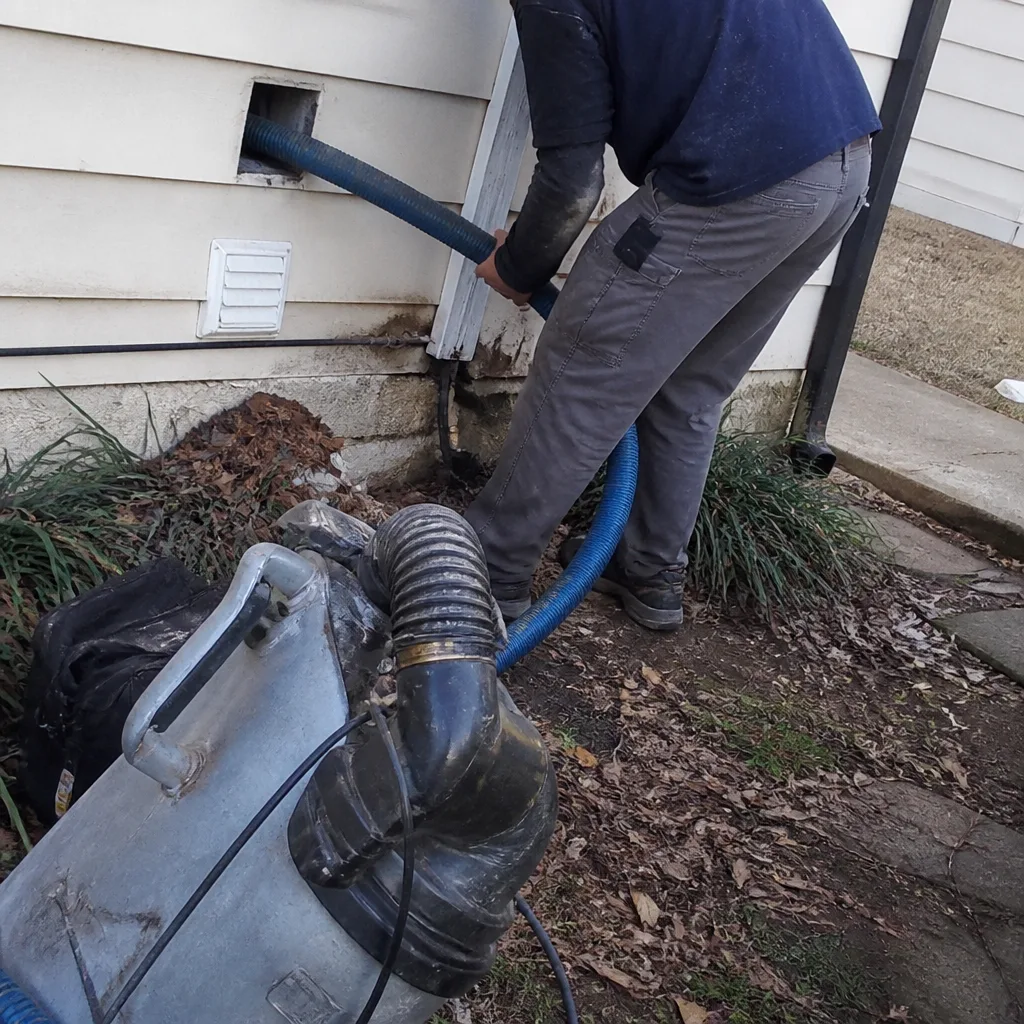 Before
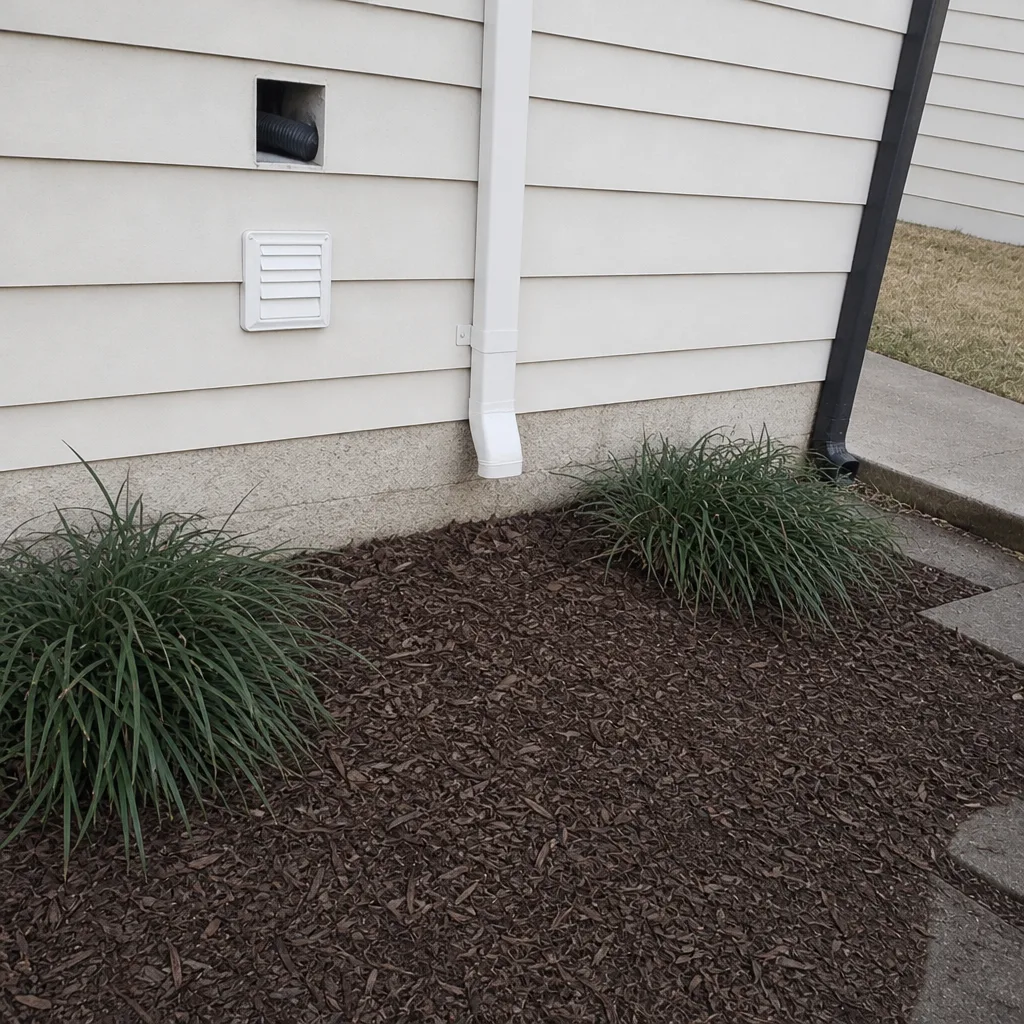 After
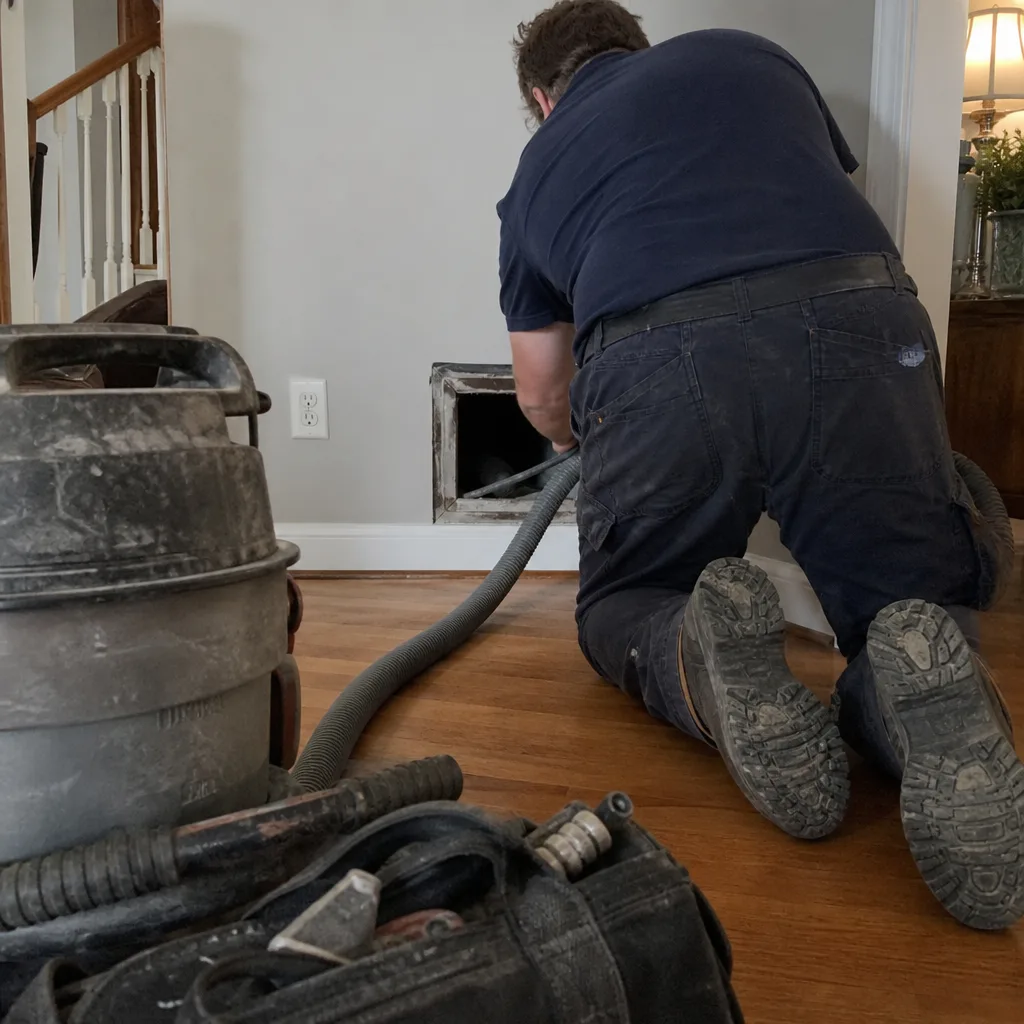 Before
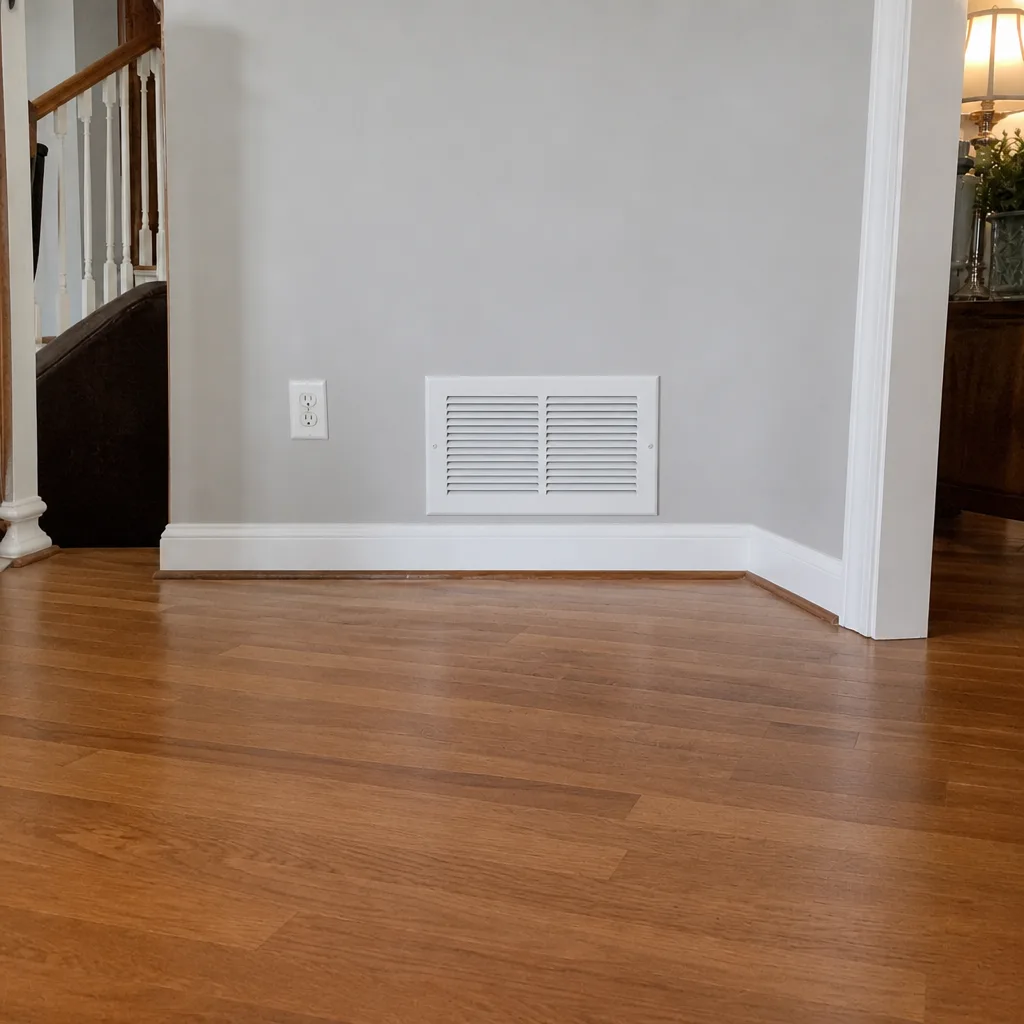 After
 Before
 After
Frequently Asked Questions
For most homes, one professional cleaning per year is the right cadence, timed to the late-winter window just before the spring pollen peak. Homes with pets, recent renovation, long-running allergies, or a history of duct leaks may need a second visit, usually in late fall. A professional inspection in late spring is worth pairing with the cleaning so the coil condition is confirmed going into summer.
Not bad, but it’s often the wrong season for the primary cleaning. Summer is the right time to investigate humidity and biofilm indicators, and to schedule sanitizing when the inspection supports it. The actual cleaning that removes the accumulated material is better timed to late winter, when the system is quiet and the settled debris is at its maximum. Call (888) 972-5826 for an estimate – estimates are free.
Cleaning removes accumulated dust, pollen, debris, and biological material from the duct surfaces using mechanical agitation and high-volume extraction. Sanitizing applies an EPA-registered product to cleaned surfaces to address what remains. Cleaning comes first; sanitizing follows. Sanitizing doesn’t replace cleaning, and a duct network that hasn’t been cleaned shouldn’t be sanitized as a standalone step. Call (888) 972-5826 to talk through which one fits your system – estimates are free.
The clearest sign is interior duct humidity sustained above 60% RH, measured with a hygrometer at a return grille. Other indicators include a musty odor with the system running, visible condensation on duct surfaces or joints, and discoloration on the inside of flexible duct liners. If those show up, the first step is inspection, then cleaning, then sealing the moisture entry point. Call (888) 972-5826 for an estimate.
Because the four seasons here create four very different particle loads in the same ductwork, and timing the cleaning to the season that created the loading produces a much better result. A cleaning in April competes with the pollen peak the moment it’s finished. A cleaning in late February, before the peak, is finished accumulating what the duct had been collecting all winter. Same job, different outcome. Call (888) 972-5826 to schedule – estimates are free.
Yes, and in many older University City homes the sealing work matters as much as the cleaning. Leaks at seams, joints, and boot connections pull attic or crawl-space air into the supply side, which reintroduces dust and pollen the cleaning just removed. Sealing those leaks after cleaning keeps the ducts cleaner between visits and reduces the strain on the system through the heating and cooling seasons. Call (888) 972-5826 for an estimate.
The Bottom Line
University City’s four-season climate runs your duct system through four distinct contamination cycles every year, and the right response is a calendar, not a habit. Inspect the return ducts and coil in late spring, monitor humidity in summer, check grilles before heating season, and book the actual cleaning in late winter, just before pollen. One professional cleaning in the right window, paired with sealing and a filter schedule that follows the seasons, outperforms random annual visits by a wide margin. For homes with pets, older ductwork, or a renovation on the horizon, adding a fall inspection keeps the system honest. It’s not about cleaning more often. It’s about cleaning once, at the moment the system is most ready for it.
Call (888) 972-5826 for a free estimate. We answer 24/7. Fast dispatch from 7am to 7pm, Sunday through Friday. Our technicians have up to 15 years of experience, and we work on the full air pathway from intake grilles to dryer vent termination, so one visit can address cleaning, sanitizing, and sealing together.
Written by the team at University City Air Duct Cleaning.