
Last updated November 22, 2026
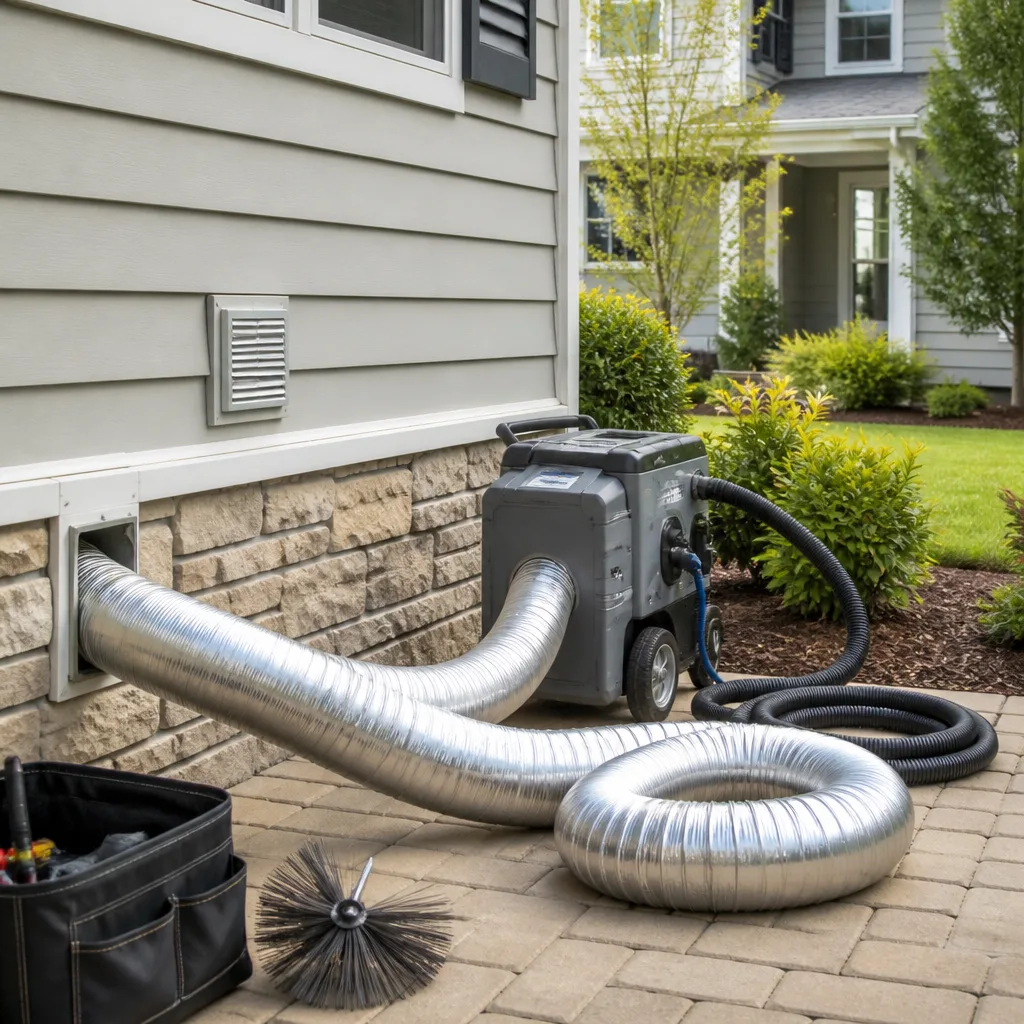 Whole-home duct cleaning
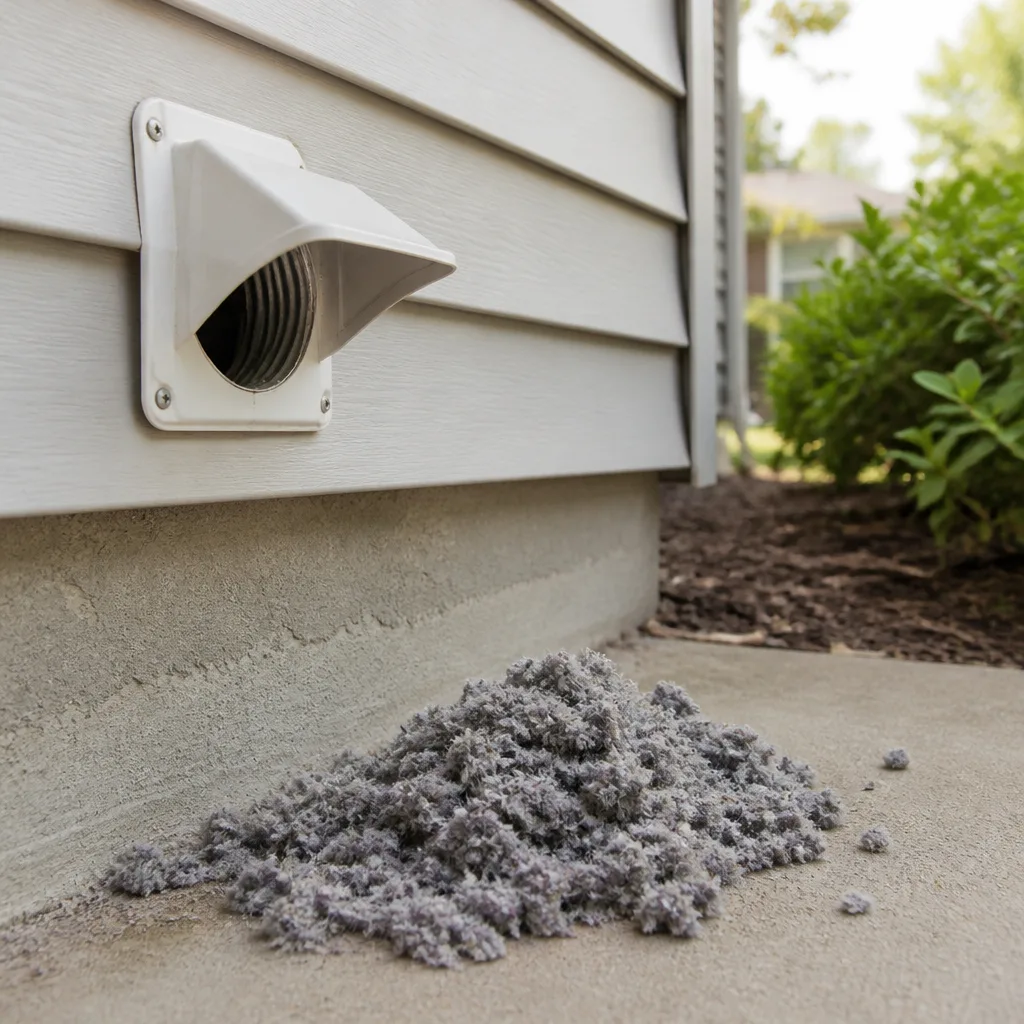 Dryer vent cleaning
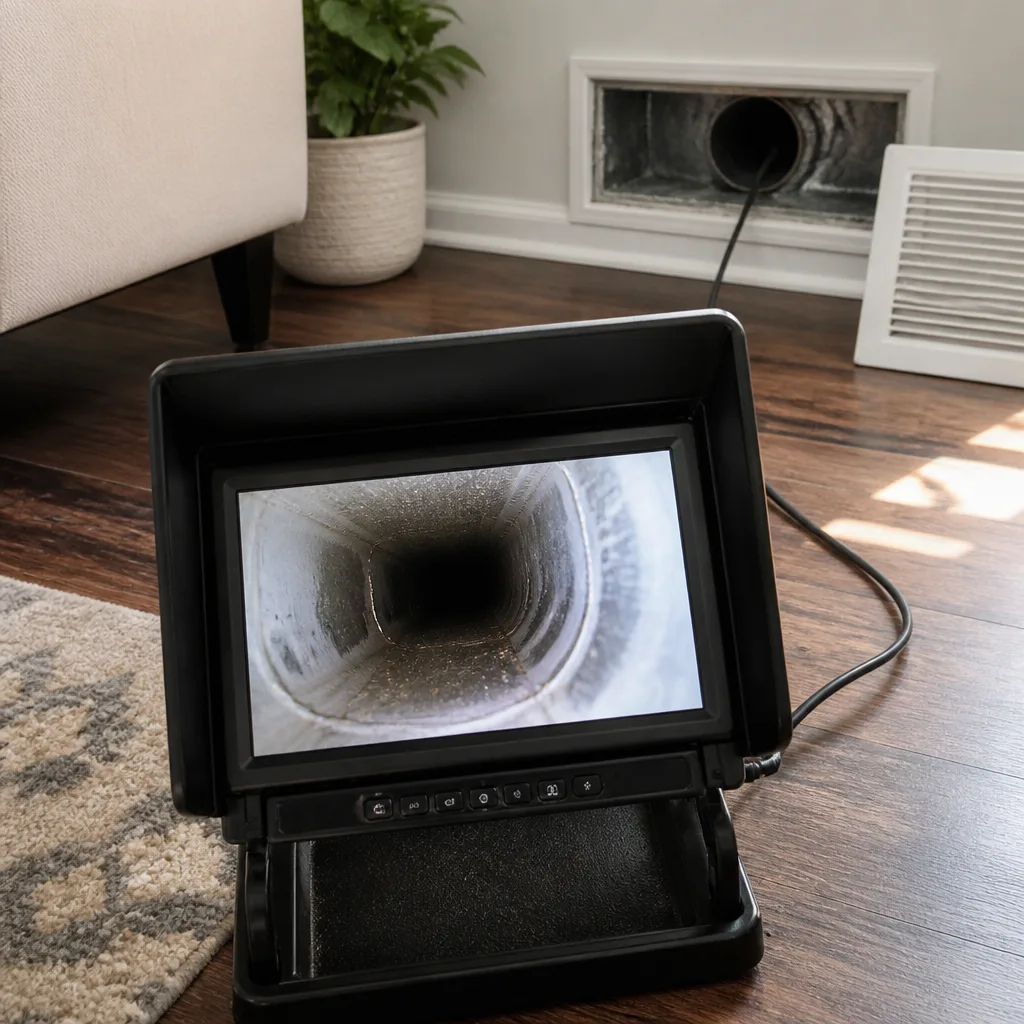 Camera inspection
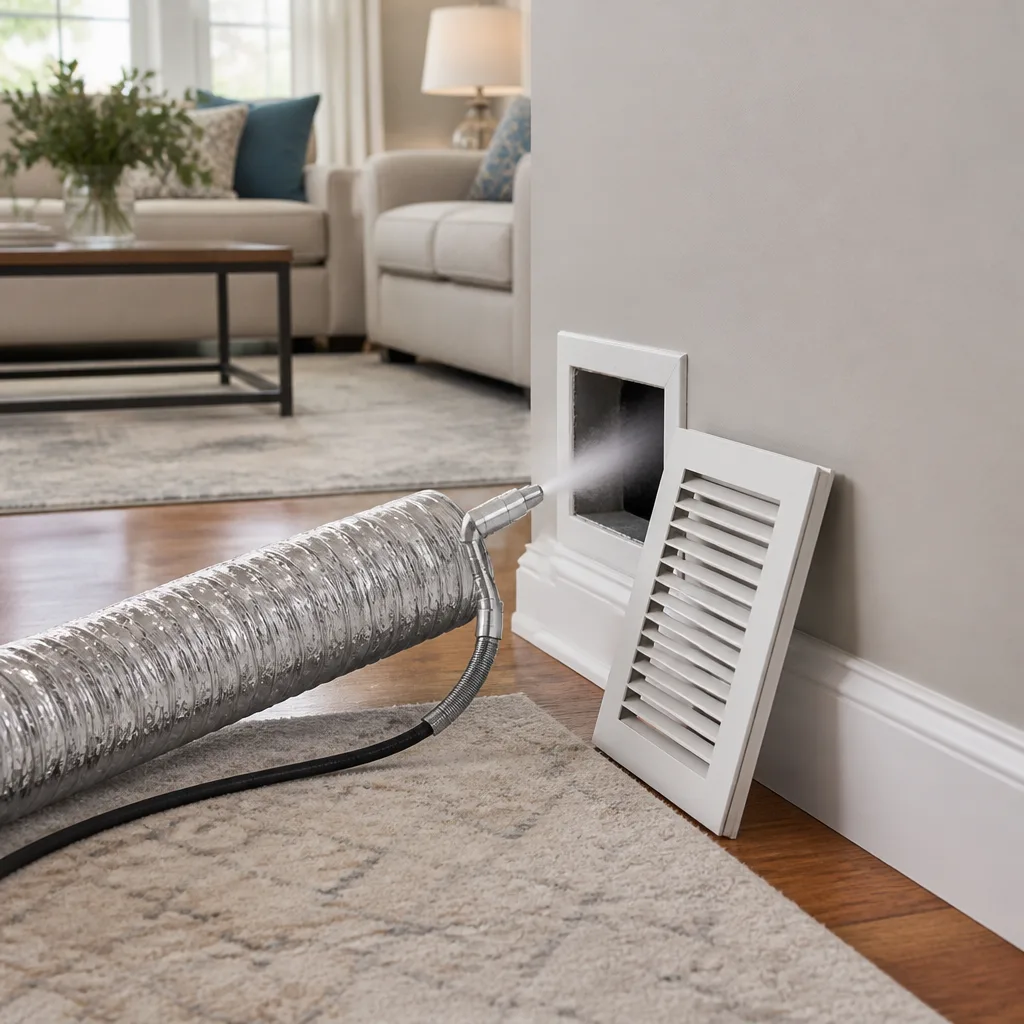 Sanitizing & deodorizing
Whole-system duct and dryer vent check with before-and-after photos - you see exactly what came out of your vents
That "$99 whole-house special" is a bait ad - the real number appears once they are in your hallway, or the "clean" is a shop-vac at the register. We photograph the inside of your ducts before and after instead.
DIY vs Professional Air Duct Cleaning: The University City Homeowner’s Decision Guide
Here’s the part most guides skip: a homeowner with a shop vac and a brush kit can reasonably clean about the first 18 inches of each supply branch. That’s a genuine contribution, and we’re not going to talk you out of it. But it’s also a small fraction of your system’s total interior surface area, and it leaves untouched every component where contaminant concentrations tend to run highest. The DIY-versus-professional question in University City isn’t really about effort or who’s willing to get dirty. It’s about equipment physics. This guide draws that line precisely: what you can legitimately maintain yourself, what requires sustained negative pressure and source-removal tooling, and how to time both so your system performs well without you overspending on either side.
Quick Answer
DIY air duct cleaning in University City is reasonable for surface maintenance: swapping filters, wiping registers, inspecting grilles, and checking accessible flex duct for tears. Deep contamination removal is a different job that requires professional negative-pressure equipment, because consumer vacuums can’t move enough air to lift settled debris out of the system. If your ducts have never been cleaned, or you’ve had a renovation, a rodent issue, or visible microbial growth, you need a professional source-removal cleaning rather than a homeowner touch-up.
Styles & brands we work with
- Whole-home duct cleaning
- Dryer vent cleaning
- Camera inspection
- Sanitizing & deodorizing
Table of Contents
- Why Negative Pressure Is the Whole Argument
- What Homeowners Can Legitimately Maintain
- Contamination Scenarios That Always Require Professional Equipment
- The Cost-Benefit Math: When DIY Tools Pay Off and When They Delay a Real Job
- What Professional-Grade Equipment Actually Does Differently
- How to Time DIY Maintenance and Professional Cleaning
- What Can Go Wrong If You Open the System Yourself
Why Negative Pressure Is the Whole Argument
Source removal works on a simple principle: put the duct system under sustained negative pressure, agitate the contamination loose from the duct walls, and let the airflow carry it into a sealed collection unit. The agitation matters, and the negative pressure matters more. Professional truck-mounted and portable units move roughly 500 to 1,500 cubic feet per minute at the duct opening, sustained, for the duration of the job. A consumer shop vac connected to a duct opening develops less than 50 CFM. That’s not a small gap. It’s an order of magnitude.
Here’s what that difference produces in practice. Air that’s pulled at high velocity lifts settled particulate off the bottom of a horizontal run and carries it out. Air that trickles at low velocity disturbs the top layer and leaves the rest where it sat, sometimes wetting it down with a fine mist of dust that then dries in place. We’ve seen systems where an owner had vacuumed the visible sections and the fine particulate had simply relocated twenty feet downstream into the main trunk.
Negative pressure also serves a containment function. When the collection unit sits outside the living space and the system is under negative pressure, dislodged debris travels toward the vacuum, not into your kitchen. A shop vac running inside a conditioned room can exhaust fine particulate straight back into the air you’re trying to improve. For anyone in University City dealing with allergies, that distinction alone changes the calculation.
Pressure readings tell the story before anyone touches a duct. Checking static pressure across the air handler identifies whether the system is already restricted – a common finding in older homes where undersized returns and decades of accumulation compound each other.
What Homeowners Can Legitimately Maintain
Plenty of the maintenance that keeps a duct system clean is genuinely a homeowner task. We’d rather you do these things well than skip them between professional visits, because they slow accumulation and they expose problems early. In University City homes with heat pumps running long cooling seasons and short heating cycles, filter discipline alone matters a great deal.
- Filter replacement. Check the filter monthly during heavy cooling and heating use. A clogged filter starves the system of return air, raises static pressure, and forces the blower to work harder. Follow the MERV rating your system is designed for rather than the highest number you can find.
- Register and grille cleaning. Remove supply registers and return grilles and wash them in warm soapy water. The slats collect dust and pollen that slowly migrates into the duct opening.
- Visible duct inspection. In an accessible crawl space, attic, or basement, look at exposed flex and hard duct runs. You’re checking for crushed sections, disconnected joints, torn vapor barrier, and condensation stains. Note what you find; a torn flex duct above a bathroom ceiling can drop insulation fibers into the airstream.
- Return plenum awareness. Know where your returns pull from and keep the area clear. A return buried behind furniture or storage draws dust from the floor into the system.
- Condensate and drain pan checks. Standing moisture near the air handler is one of the few reliable predictors of microbial growth inside the cabinet and downstream ductwork.
None of these require specialized equipment, and together they prevent a meaningful share of the accumulation that leads to a full cleaning recommendation. For the kinds of tasks that go beyond surface attention, our air duct cleaning page covers what a full source-removal service includes for University City homes.
Contamination Scenarios That Always Require Professional Equipment
Some conditions don’t respond to homeowner maintenance at all, no matter how diligent you are. These are the situations where a shop vac is not a smaller version of the right answer; it’s the wrong tool.
- Post-renovation debris. Drywall dust, sawdust, joint compound residue, and fiberglass particles get drawn into the return during construction and settle throughout the system. Drywall dust is fine, alkaline, and packs into duct corners. It also coats the blower wheel and evaporator coil.
- Confirmed microbial growth. Visible discoloration inside the air handler or duct interior, or a persistent musty odor when the fan first starts, points to moisture-driven growth. Cleaning the growth without correcting the moisture source just resets the clock. Sanitizing after cleaning is a separate step, typically done with products designed for HVAC surfaces.
- Rodent activity evidence. Droppings, nesting material, or gnaw damage on flex duct mean the system has both contamination and an entry path. Cleaning without sealing the entry and repairing the damaged section means it recurs.
- Construction-era debris in older University City homes. Homes built decades ago can still carry original construction debris in the main trunk lines and plenums – chunks of plaster, wood scraps, drywall offcuts. This material blocks airflow and holds moisture against the duct wall.
- Long-deferred cleaning combined with HVAC degradation. When the blower wheel is visibly loaded and the coil has buildup, the ducts are one part of a larger cleaning job that includes the air handler cabinet.
If any of these describe your situation, that’s the point where a professional assessment beats continued homeowner effort. Our HVAC cleaning page explains how cleaning the air handler and coil differs from duct cleaning alone.
The Cost-Benefit Math: When DIY Tools Pay Off and When They Delay a Real Job
A reasonable homeowner duct cleaning kit runs a few hundred dollars. That’s a defensible investment for ongoing surface maintenance in a home with an accessible system and no contamination issues. It’s a bad investment if it becomes a substitute for the job you actually need, because delay carries its own cost. A system running with restricted airflow and loaded components works harder on every cycle, and contamination that settles into the coil and blower reduces efficiency gradually while you vacuum registers.
The decision framework we walk University City homeowners through comes down to four questions:
- Has the system ever been professionally cleaned? If the answer is no and the home is more than a decade old, a full cleaning is the baseline, not an optional upgrade.
- Is there an identified contamination event? Renovation, water intrusion, rodent activity, or a mold finding each move the answer straight to professional.
- Is the system accessible enough for you to inspect a meaningful share of it? If most of the ductwork is buried behind finished walls and ceilings, your DIY inspection coverage is too shallow to catch a developing problem.
- Are occupants sensitive? Allergies, asthma, or an infant in the home raise the cost of leaving contamination in place.
If the answers point to a professional cleaning, get an estimate that scopes the entire air pathway rather than quoting a single service. A written estimate should define what gets cleaned, what gets inspected, and whether repairs are included. For pricing, our University City Air Duct Cleaning page connects you with the full menu of services.
What Professional-Grade Equipment Actually Does Differently
We speak this language because it’s the language our technicians work in every day, with training and experience that runs up to 15 years. The equipment distinction is practical, not marketing.
Professional duct cleaning rigs use a rotary brush driven by a flexible shaft. The brush contacts the duct wall with consistent pressure and mechanically loosens accumulated debris while the simultaneous high-volume vacuum carries it away. That combination of agitation and sustained airflow is what makes source removal work. Hand-brushing the first 18 inches of a supply branch doesn’t scale to a full main trunk, and it can’t reach the transitions where flex duct meets hard duct, which are common accumulation points.
Our technicians operate Rotobrush and Nikro systems, and we’re trained on Abatement Technologies filtration and remediation equipment. For homes in University City that need more than a cleaning – say, whole-home air quality improvements – we work with Honeywell and Aprilaire products and can recommend appropriate whole-home solutions. Duct repair and sealing is a core part of our scope, because cleaning a system with disconnected joints and torn flex only leaves the contamination path open. Clean it, seal it, improve it is the sequence that actually holds results.
One more piece of the equipment story matters and often gets skipped: the dryer vent is part of the same air pathway, and it’s a fire safety concern in its own right. Lint accumulation in a dryer vent is one of the leading causes of residential house fires. That’s a safety issue, not a comfort one.
| Task | DIY Appropriate | Professional Required |
|---|---|---|
| Filter replacement | Yes | No |
| Register and grille cleaning | Yes | No |
| Visible flex duct inspection | Yes | No |
| First 18 inches of supply branch | Surface only | For deep removal |
| Main trunk and plenum cleaning | No | Yes |
| Air handler and blower wheel | No | Yes |
| Post-renovation debris removal | No | Yes |
| Microbial growth remediation | No | Yes |
| Duct repair and sealing | No | Yes |
| Dryer vent cleaning | Partial (lint trap) | Yes (full vent run) |
How to Time DIY Maintenance and Professional Cleaning
The best value comes from combining the two, not choosing one. Here’s the rhythm we suggest for University City homes:
- Monthly: filter inspection. Replace when loaded. Write the date on the filter frame so you don’t have to guess.
- Seasonally: register and grille cleaning. Once at the start of the cooling season, once at the start of heating.
- Annually: visible duct inspection. Crawl space, attic, and basement if you have them. Note any changes.
- Every few years: professional cleaning. Timing depends on household factors – pets, allergy sufferers, recent renovation, and smoking all shorten the interval.
- After any renovation or water event: call for an inspection. The event matters more than the calendar.
This rhythm keeps your maintenance costs low while ensuring the big jobs happen when they’re actually needed. It also means you’re not paying for a cleaning you don’t require, and you’re not delaying one you do. Our dryer vent cleaning service fits the same interval logic, since lint accumulates faster in high-use households.
What Can Go Wrong If You Open the System Yourself
We want to flag the genuine risks here, because we’ve seen the outcomes and they’re avoidable.
- Punctured or crushed flex duct. Flex duct is thin and easy to tear when a brush is pushed through it. A crushed section restricts airflow just as effectively as a closed damper.
- Disconnected joints. Agitating a duct run can pull apart a taped or mastic-sealed joint. That joint then leaks conditioned air into a crawl space while drawing unfiltered air in from the same space.
- Disturbed microbial growth. If microbial growth is present and you disturb it without proper containment and remediation, you can spread spores through the living space. That’s a job for trained professionals in proper protective equipment.
- Damage to the air handler. Removing the blower compartment cover and brushing a loaded blower wheel can bend fins and unbalance the assembly. The blower is delicate. Electrical components inside the air handler are not a homeowner work area; shut the system down and leave it alone if you’re at all unsure.
- Unseen electrical or gas components. Ductwork runs past wiring and, in gas systems, near gas piping. Probing in a duct run without knowing what’s beside it invites trouble. Gas safety is not a homeowner repair area under any circumstances.
None of this should scare you away from the maintenance tasks that are genuinely safe. It should tell you where the line sits.
Common Mistakes to Avoid
- Assuming a shop vac is a smaller professional system. It’s not a scale question; it’s a different physics. Under 50 CFM versus 500 to 1,500 CFM isn’t a reduced version of the same job.
- Skipping the post-renovation cleaning. Drywall dust that settles into ducts then circulates through the air handler every time the fan runs. Delaying this cleaning coats components that are expensive to clean.
- Cleaning ducts without sealing damaged ones. A cleaning followed by open joints is temporary. Repair and sealing should be part of the same scope.
- Ignoring the dryer vent entirely. Homeowners clean the lint trap and stop there. The full vent run accumulates lint too, and that’s a fire safety matter, not a maintenance nicety.
- Buying a MERV 13 filter for a system designed for MERV 8. Higher filtration raises static pressure. In older University City homes with undersized returns, an over-spec filter can strain the blower.
- Opening the air handler without shutting it down. Electrical and gas components inside the cabinet are not a homeowner work area.
- Choosing a quote based on the lowest number alone. A quote that doesn’t include inspection, agitation, and containment isn’t a cheaper cleaning; it’s a different, smaller job.
See the difference
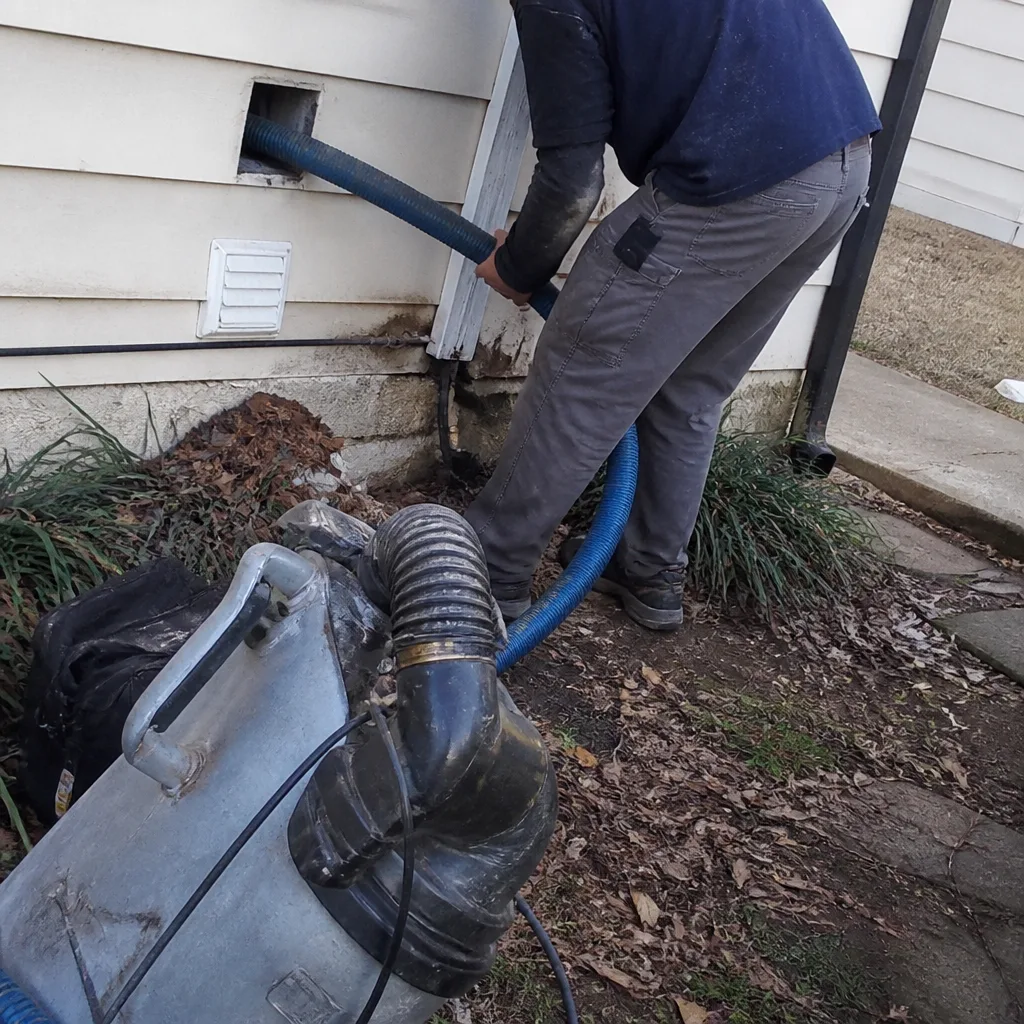 Before
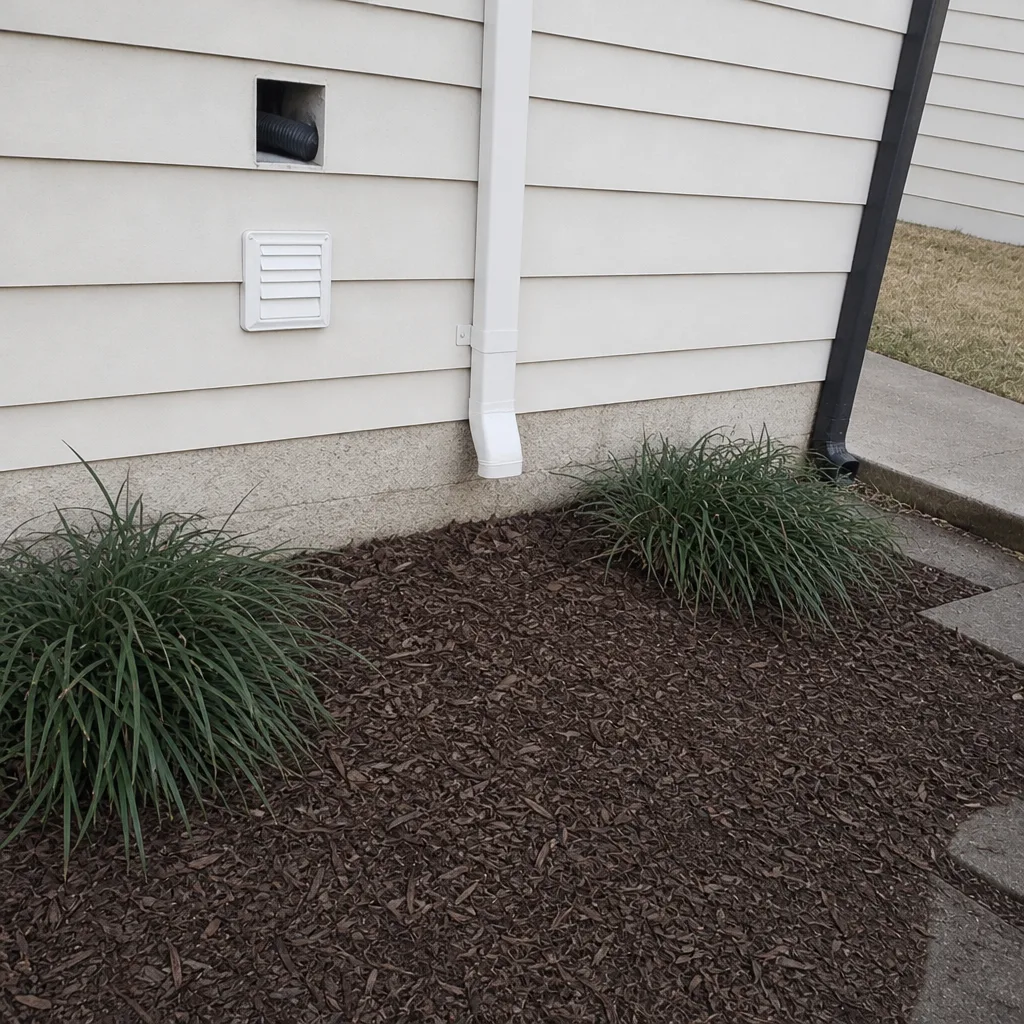 After
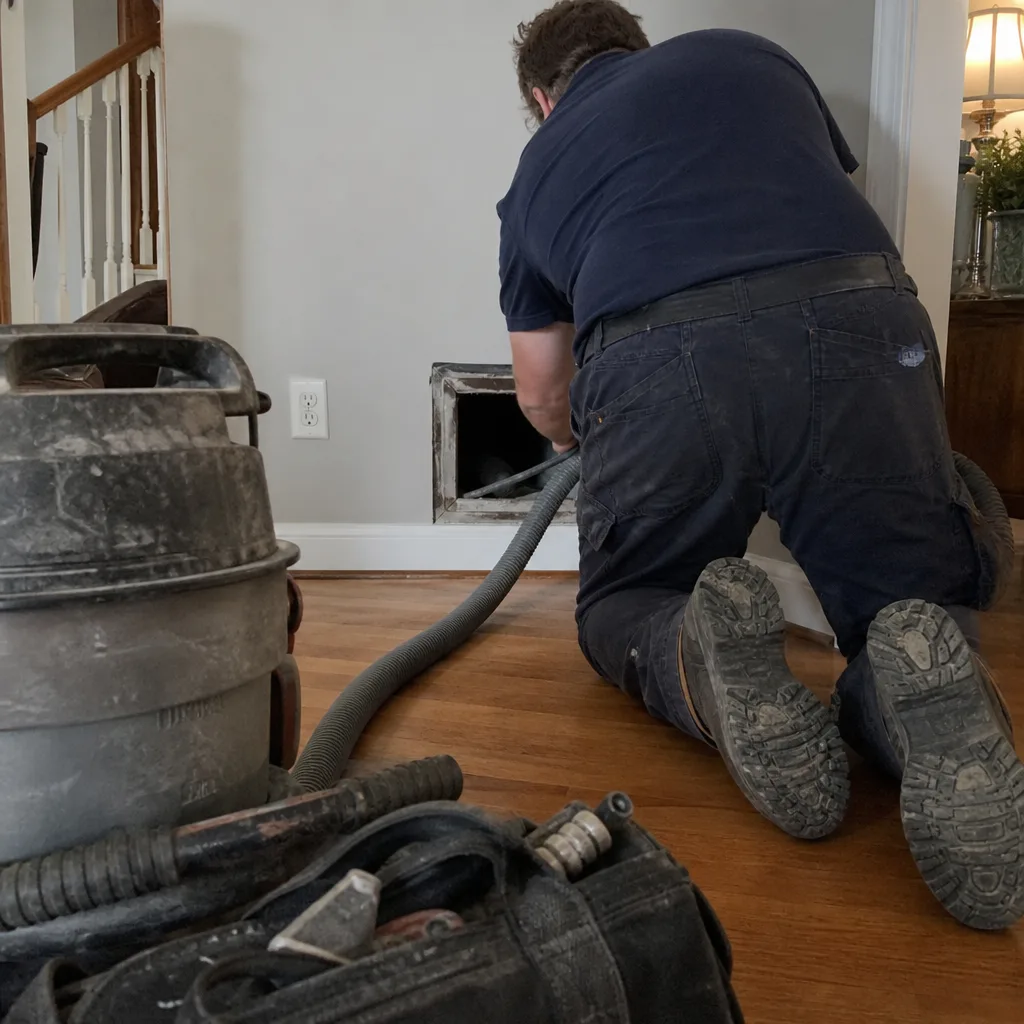 Before
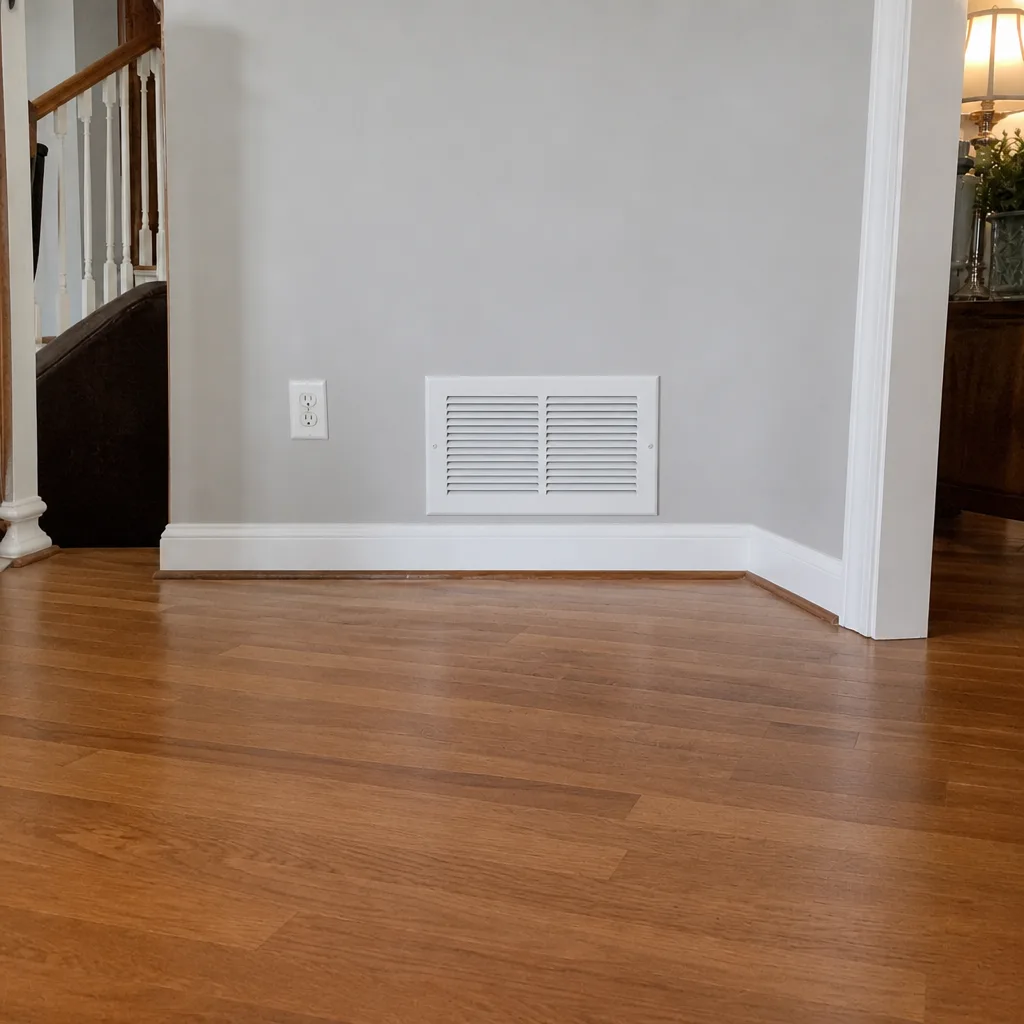 After
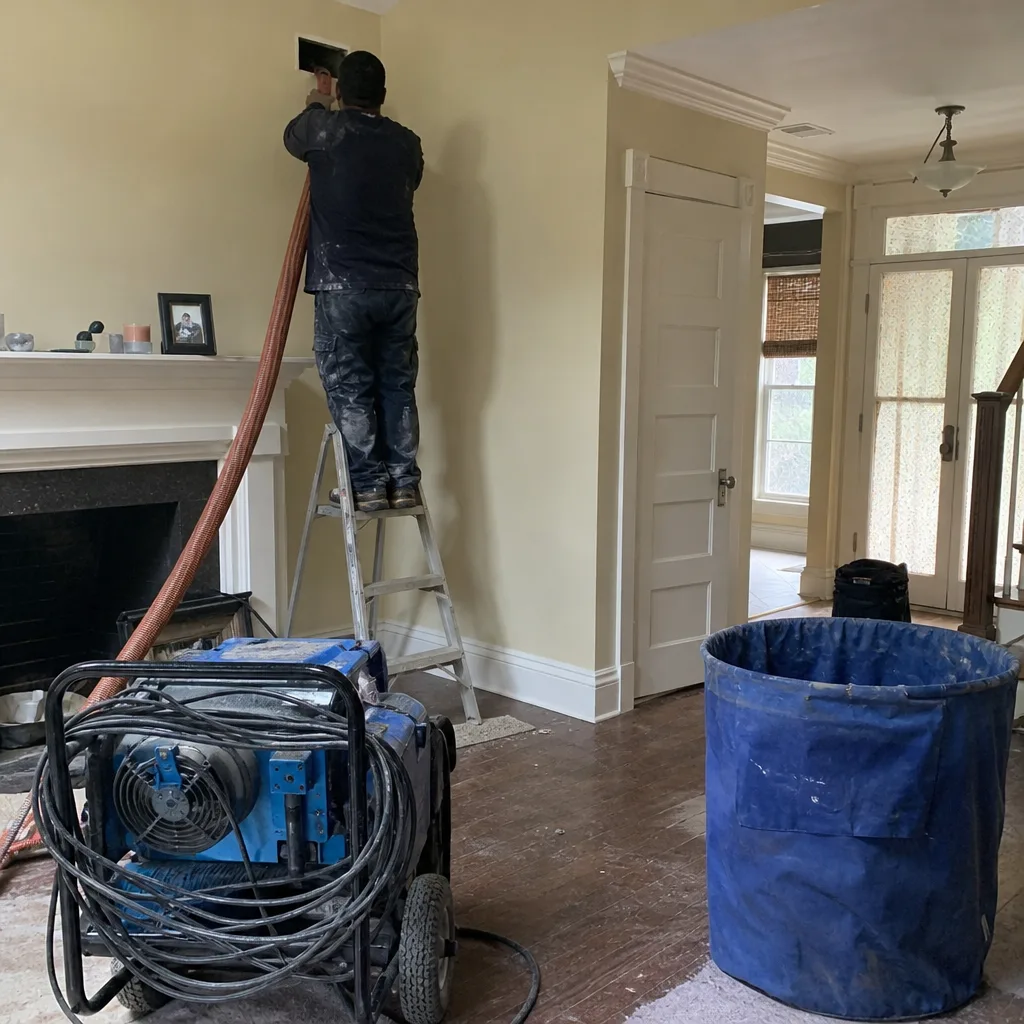 Before
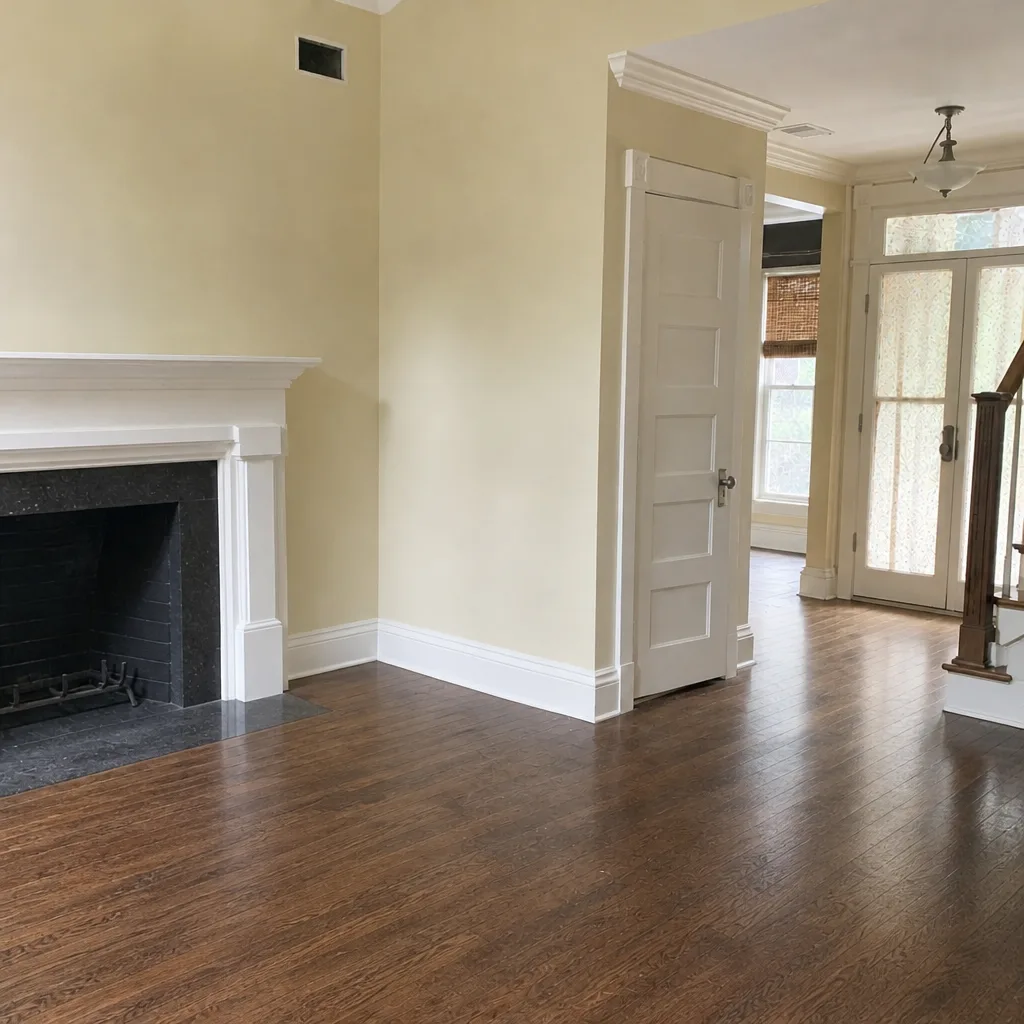 After
When to Call a Professional
Call a professional when you can’t inspect a meaningful share of the system yourself, when there’s been a renovation or water event, when you’ve found rodent evidence or visible microbial growth, when the system has never been cleaned and the home is more than a decade old, or when anyone in the home has allergies or asthma. Call when the dryer vent hasn’t been cleaned in years. Call when the air handler looks dirty. And call when you’re not sure – an inspection is the cheapest way to find out whether you need a full cleaning. University City Air Duct Cleaning offers free estimates in University City. Call (888) 972-5826. We answer 24/7. Fast dispatch from 7am to 7pm, Sunday through Friday.
Frequently Asked Questions
You can safely maintain the accessible parts: filters, registers, grilles, and visible flex duct inspection. You can’t perform deep source removal without professional negative-pressure equipment, so if the system has never been cleaned or has known contamination, schedule a professional job.
Professional duct cleaning systems use rotary brush agitation combined with high-volume negative pressure, drawing roughly 500 to 1,500 CFM at the duct opening. Consumer vacuums generate less than 50 CFM. The difference is what allows settled debris to be lifted and carried out of the system instead of redistributed.
Most homes benefit from a professional cleaning every few years, with homeowner maintenance filling the gaps. Homes with pets, allergy sufferers, recent renovations, or smoking can warrant more frequent cleaning. An inspection answers the question for your specific system.
They solve different problems. DIY tools are worth the cost for ongoing surface maintenance in a system that’s already clean. They’re not a substitute for deep removal when contamination is present. The written estimate should define scope so you can compare properly.
It’s a separate service, but it’s part of the same air pathway and a genuine safety concern. Lint accumulation in a dryer vent is one of the leading causes of residential house fires. A full vent cleaning addresses what the lint trap can’t reach.
Duct repair and sealing is a core service. Cleaning without repairing damaged duct leaves the contamination path open, so we scope repair and sealing alongside cleaning when the inspection calls for it.
The Bottom Line
DIY air duct maintenance has a legitimate place in University City homes – filters, registers, grilles, and visible inspection are all safe and useful. The line is at deep contamination removal, where sustained negative pressure and professional agitation do work that consumer tools can’t. Combine the two: handle surface maintenance yourself, bring in professional equipment for source removal and repair, and schedule based on household conditions rather than a fixed calendar. That combination delivers the best system performance at the lowest total annual cost, and it avoids both wasting money on unnecessary cleanings and delaying necessary ones.
University City Air Duct Cleaning offers free estimates. Call (888) 972-5826. We answer 24/7. Fast dispatch from 7am to 7pm, Sunday through Friday.
Written by the team at University City Air Duct Cleaning.