
Last updated November 22, 2026
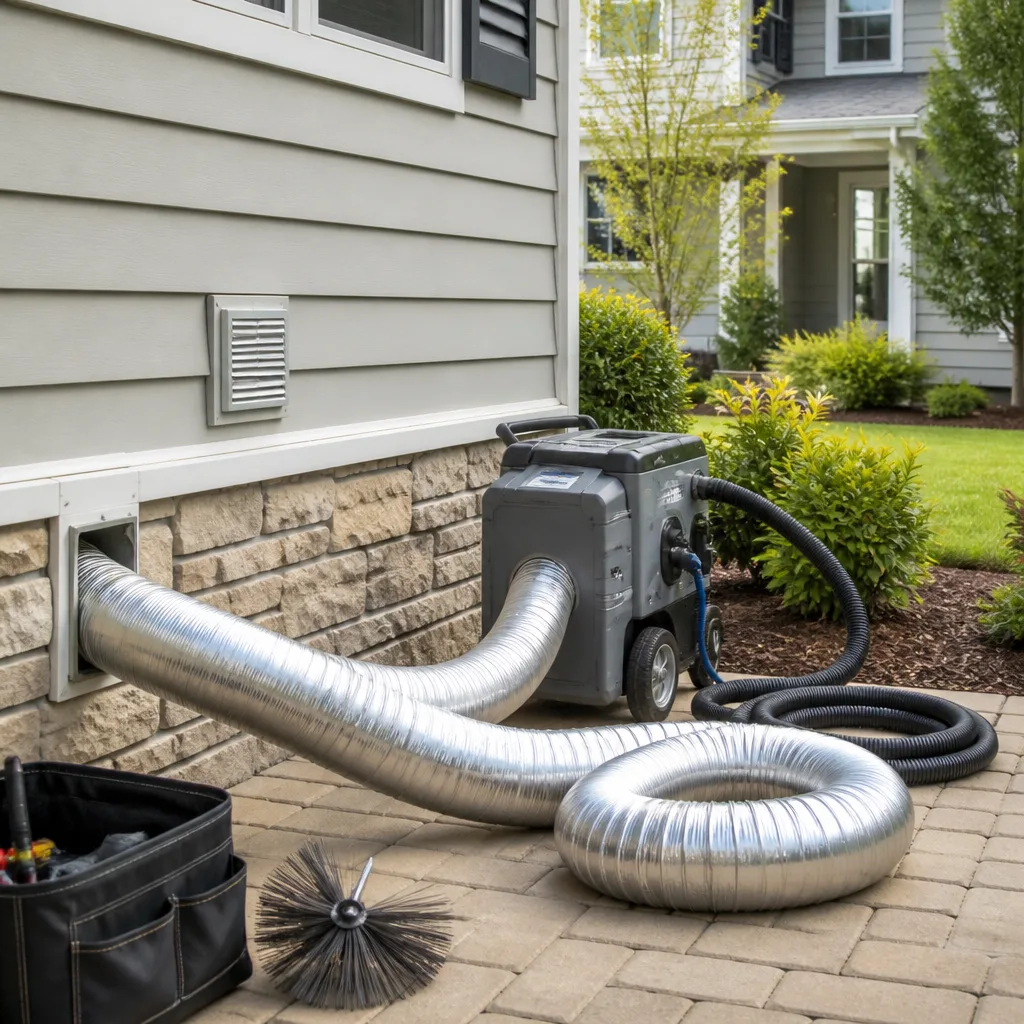 Whole-home duct cleaning
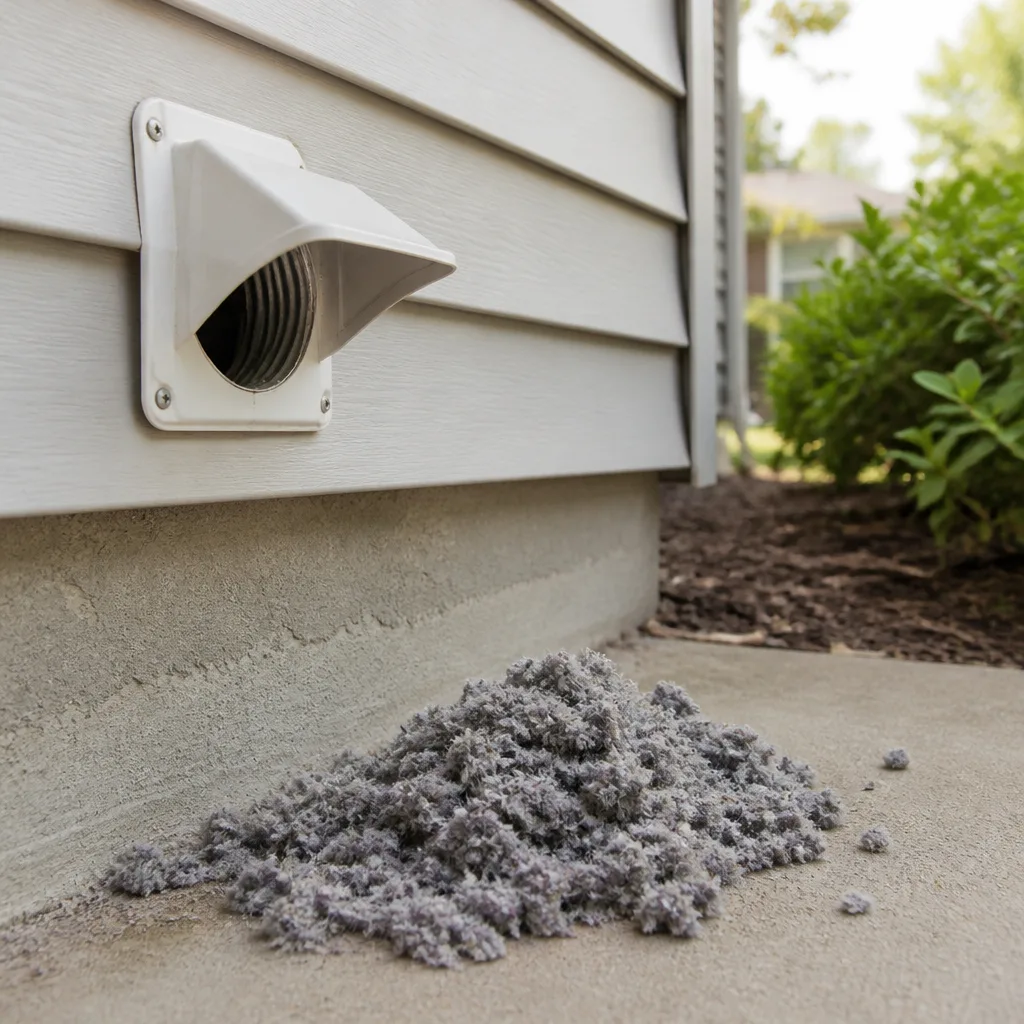 Dryer vent cleaning
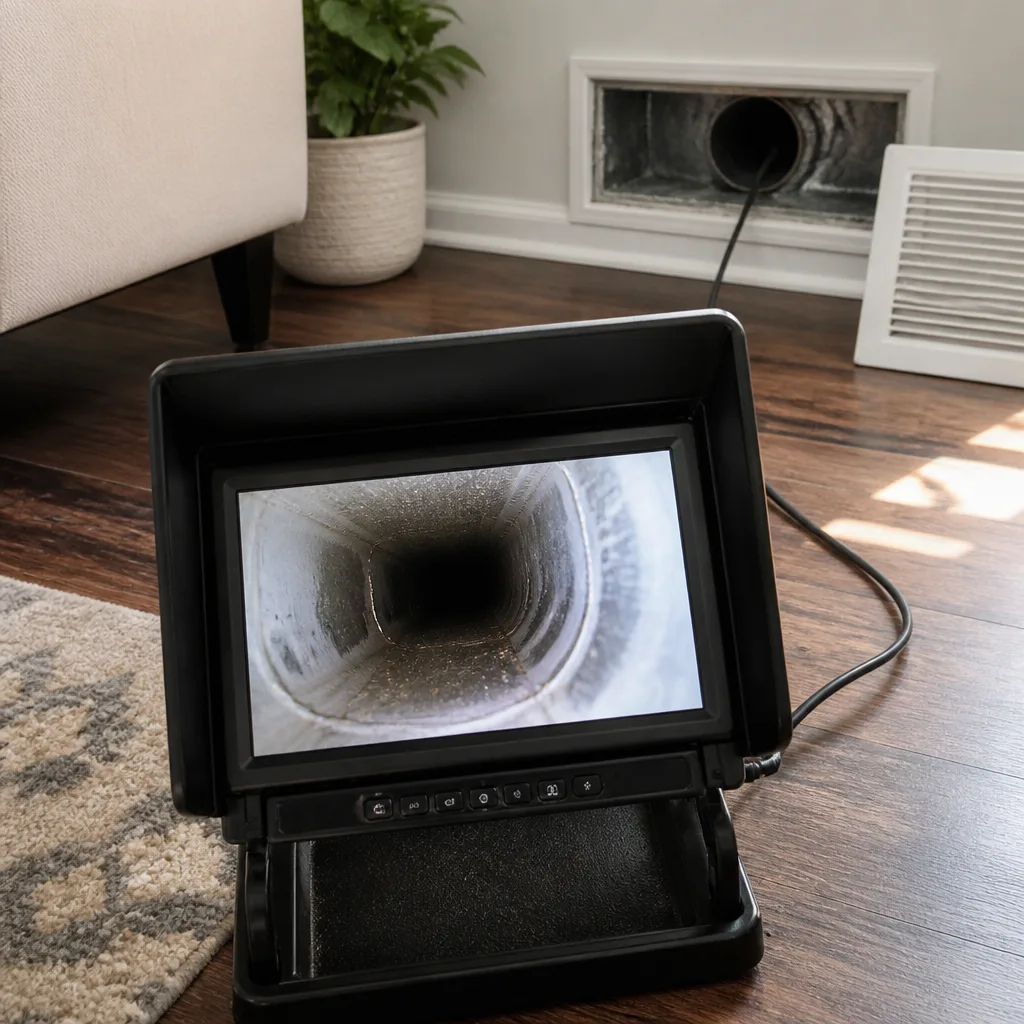 Camera inspection
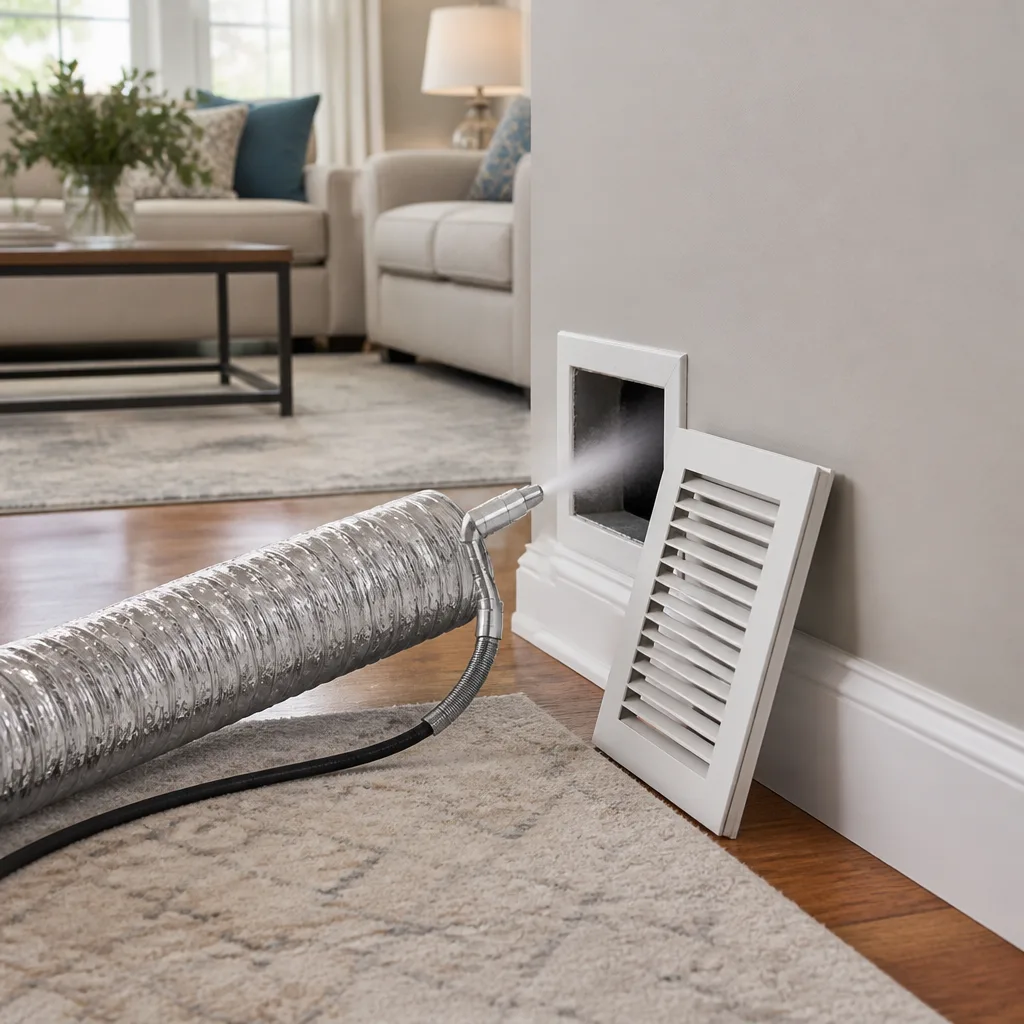 Sanitizing & deodorizing
Whole-system duct and dryer vent check with before-and-after photos - you see exactly what came out of your vents
That "$99 whole-house special" is a bait ad - the real number appears once they are in your hallway, or the "clean" is a shop-vac at the register. We photograph the inside of your ducts before and after instead.
Air Duct Cleaning Emergency Preparedness Guide for University City Homes
Running your HVAC system after a structure fire – even a contained kitchen fire with minimal visible damage – can distribute combustion particulates and volatile compounds through every room in the house within four minutes of system startup. That single fact catches most homeowners off guard. We tend to think of a fire, a flood, or a rodent problem as damage contained to one room or one wall. In reality, your ductwork is the one system that touches every space in the house, and it quietly collects whatever the emergency leaves behind: soot, moisture, dried waste, construction dust. This guide is the protocol University City homeowners should have on hand before they need it – what to shut down, what to document, and when ductwork becomes the priority in cleanup.
Quick Answer
After a fire, flood, pest infestation, or major renovation in University City, treat your ductwork as contaminated until a professional assesses it: shut off the HVAC system, don’t run fans or the air handler, and document conditions with photos before anyone touches the system. Professional air duct cleaning and inspection should happen before the HVAC is restarted, because operating the system first spreads contaminants through every room.
Styles & brands we work with
- Whole-home duct cleaning
- Dryer vent cleaning
- Camera inspection
- Sanitizing & deodorizing
Table of Contents
- After a Fire: Why the HVAC Must Stay Off
- Flood and Water Intrusion: The 48-72 Hour Window
- Rodent and Pest Infiltration: Active vs. Historical Activity
- Post-Renovation Dust: Why Standard Filters Miss It
- How to Document Duct Condition for Insurance
- The Remediation Sequence: What Happens in What Order
- Building an Emergency Duct Kit Before You Need One
After a Fire: Why the HVAC Must Stay Off
The instinct after a small fire is to get the house back to normal as fast as possible – open windows, run the system, clear the smoke smell. That instinct is the problem. Combustion doesn’t just produce visible soot. It produces fine particulates, acidic residues, and volatile organic compounds that settle into duct lining, register boots, and the air handler itself. Turn the system on and the blower pulls all of it into the airstream and pushes it through every supply register in the home.
Here’s what actually settles in ductwork after a fire:
- Fine ash and soot particles that cling to duct walls and flex liner, often invisible from the register.
- Acidic residue that can corrode metal duct components and coil fins over time.
- Odor compounds absorbed into porous flex duct and insulation, which keep releasing into the air long after visible cleanup is done.
- Char and debris pulled into return grilles if the system was running during or immediately after the fire.
The correct sequence is simple: shut the system down at the thermostat, keep it off, and get professional eyes on the ductwork before anyone restarts it. A proper assessment looks at the return side, the supply runs, the air handler, and the coil. In our experience, the fires that look “contained” are the ones homeowners most often restart too early. Our professional-grade equipment – the same Rotobrush and Nikro systems commercial contractors use – is built to pull contaminants out of duct interiors rather than blow them around the room.
University City’s mix of older homes near the university and newer construction farther out both matter here. Older duct systems tend to have more seams, joints, and porous flex runs where residue hides. Newer tight construction holds the contamination inside longer because there’s less natural air exchange. Either way, the answer is the same: assess first, restart second. If a fire has affected your home, call us before you turn the system back on – we’ll talk you through the shutdown and schedule an inspection.
Flood and Water Intrusion: The 48-72 Hour Window
Water in ductwork is a microbial clock, not a cleaning problem. The moment moisture reaches duct lining, insulation, or a flex run, microbial growth has a window of roughly 48 to 72 hours before it establishes and starts releasing spores into the airstream. This is why a flooded crawl space or a burst pipe that soaks a floor cavity above a return duct is a duct issue even if the ducts themselves never went underwater.
What to do in the first hours:
- Stop running the system. A wet duct plus airflow equals spore distribution through the whole house.
- Photograph everything – standing water, waterlines on duct insulation, wet flex duct, visible condensation – before any drying begins.
- Note the time and date of the water event. Insurance adjusters care about the timeline, and the 48-72 hour window is the reason.
- Dry the surrounding structure first with fans and dehumidification, but keep the HVAC off until the ducts are assessed.
- Get a professional opinion on the duct lining itself. Fiberglass-lined duct that got wet usually can’t be saved; it has to be assessed, documented, and in most cases replaced or sealed.
This is where duct repair and sealing becomes the difference between a real remedy and a cosmetic one. Cleaning a wet, damaged duct and reinstalling it without sealing the compromised joints just gives the next moisture event an open door. We seal what we clean so the repair holds. Our Abatement Technologies training matters here too – the equipment and approach used for serious indoor air quality remediation is different from routine maintenance.
One University City-specific note: the region’s humid summers and heavy rain events mean crawl-space moisture is common, and ductwork running through unconditioned spaces catches condensation that never shows up as an obvious leak. If your ducts run through a crawl space or attic, a moisture event anywhere in the house is worth a duct inspection. A call now is cheaper than a full system cleanout later.
Rodent and Pest Infiltration: Active vs. Historical Activity
Rodent activity in ductwork is common and often misunderstood. Homeowners find droppings near a register, call it a “past problem,” and clean the surface. The critical distinction is active versus historical. Active means animals are still moving through the system right now – which means the contamination is ongoing and will return the moment you clean. Historical means the animals are gone but dried fecal matter, urine residue, nesting material, and hair remain in the airflow path. Both need remediation, but they need different sequences.
Signs that help you tell the difference:
- Fresh droppings, tracks, or gnaw marks near registers, the air handler, or duct seams suggest active activity.
- New smells or increasing intensity over days point to active animals or an active nest.
- Old, dry droppings and settled debris with no new sign over several weeks suggests historical contamination.
- Chewed flex duct or torn insulation is often the entry point itself, active or not.
Why this matters for health: dried rodent waste in an airstream can aerosolize and become part of what you’re breathing. This isn’t a scare tactic – it’s a contamination fact. Any duct that has housed rodents should be cleaned, sanitized, and then repaired and sealed to close the entry point. Cleaning without sealing just resets the clock until the next animal finds the same opening. A proper pest remediation sequence is: remove the animals, clean and sanitize the ducts, repair and seal the breached sections, then verify with a follow-up inspection.
Our ability to sanitize and improve the air quality side of the system in one appointment is why we stock and service air quality and sanitizing products from Honeywell and Aprilaire. After a rodent or moisture event, cleaning alone rarely finishes the job; the system often benefits from improved filtration or whole-home air treatment. University City homeowners who’ve just dealt with a pest problem usually want that second layer of protection, and we understand why.
Post-Renovation Dust: Why Standard Filters Miss It
Renovation dust is not the same problem as household dust. Construction generates particles at a size most residential filters simply don’t capture. Drywall joint compound, sanded spackle, cut insulation fibers, and sawdust all produce fine particulates in the micron range that pass through a standard filter and settle into ductwork, register boots, and the blower compartment.
What’s actually getting into your ducts during a renovation:
- Drywall dust and joint compound, which is fine, abrasive, and clings aggressively to duct walls.
- Insulation fibers, which are light enough to stay airborne and fine enough to bypass ordinary filters.
- Sanded paint and wood dust, which settles into flex liner and is difficult to remove with a shop vac.
- Fine silica particles from concrete or tile cutting, which are small enough to travel deep into the system.
The filter question comes up every time: “Can’t I just run a better filter and let the system clean itself?” It doesn’t work that way. Filters trap what reaches them, but fine drywall dust settles in the ducts, the boots, and the air handler before it ever gets there. Running the system during a renovation makes it worse – the blower redistributes settled dust through the house every time it kicks on.
When to clean versus when to replace: flex duct with heavy drywall contamination or visible moisture-damaged liner usually needs replacement, not cleaning. Rigid metal ductwork generally cleans well with the right equipment. If you’ve done a major renovation along the university corridor or in an older University City home where the ducts date back decades, this is a good time to have the whole system inspected, not just the runs you can see. Whether the answer is cleaning, sealing, or replacing a section of liner, you get a clear recommendation in writing before any work begins.
How to Document Duct Condition for Insurance
Insurance claims on duct damage live or die on documentation, and the documentation that matters is gathered before cleanup starts. Once debris is cleared or ductwork replaced, the evidence is gone. Whether you’re working with a homeowner’s policy, a landlord policy, or a commercial property policy, the same categories of proof are useful.
What to capture before remediation begins:
- Photos of the whole system – every visible register, the air handler, the return grille, and all accessible duct runs. Wide shots, then close-ups.
- Photos of the contamination itself – soot patterns, waterlines, moisture on duct lining, pest droppings, construction dust accumulation.
- Photos of the surrounding damage – the wet wall, the fire’s origin, the renovation staging area – to show the connection to the duct system.
- A dated timeline of the event, when the system was shut down, and when mitigation started.
- Contractor reports – the written assessment, before-and-after photos, and any air quality readings or documentation the technician provides.
- Receipts and invoices that show the service performed and the scope.
Air quality readings are worth pursuing where the professional provides them. Post-remediation verification – a documented look at duct interior condition after cleaning – is the difference between a claim that closes cleanly and one that gets reopened. When we do a full-system cleaning, we make a point of documenting before-and-after condition with photos, so you have a paper trail if you need it. It also gives you a plain answer to the question “how do I know the work was actually done?” – because you can see it.
One practical point for University City landlords and property managers: document per unit, with timestamps. Multiple units or shared systems complicate claims, and the unit-by-unit record is what adjusters ask for first. If you manage property in the area, save yourself a headache by having a duct inspection scheduled before any damage happens.
The Remediation Sequence: What Happens in What Order
The order of operations after a duct emergency matters as much as the work itself. Doing these steps out of order usually means paying twice. Here’s the sequence we follow:
- Shut down the HVAC system at the thermostat and, if safe to do so, at the breaker. No fan, no air handler.
- Document conditions with photos and a written timeline before any cleanup.
- Address the source – extinguish and verify a fire is out, dry the structure, remove the animals, or finish the renovation. Ductwork stays off until the source is resolved.
- Professional inspection and assessment of the full air pathway: returns, supply runs, air handler, coil, and registers.
- Clean with professional-grade equipment. This is where the Rotobrush and Nikro distinction matters – improvised tools just move contamination around.
- Sanitize the ducts, and recommend improved filtration or whole-home air quality products where the situation calls for it.
- Repair and seal damaged sections, compromised joints, and pest entry points – so contaminants don’t get back in.
- Verify and document with before-and-after photos and a written report you can hand to your insurer.
- Restart the system only after the inspection, cleaning, and repair are complete.
That “clean it, seal it, improve it” arc is what separates a full-system specialist from a one-service operation. Cleaning without repair leaves the door open for recontamination. Repair without cleaning traps contaminants behind fresh duct. Improving the air quality side without first addressing the contamination is putting a better filter on a dirty system. Each step depends on the one before it.
If you’re in University City and you’re not sure where you are in this sequence, call and we’ll walk through it with you. The free estimate gives you a clear picture of what’s needed and why. We also handle dryer vent cleaning – the other duct in the home that matters for safety, and one that too often gets forgotten until there’s a fire risk.
Building an Emergency Duct Kit Before You Need One
The time to prepare is before the emergency, when you can think clearly and not while the house is full of smoke or water. A small, simple kit and a short plan take the panic out of the first hour.
What’s in the plan:
- Know where the HVAC shutoff is – the thermostat and, if safe, the breaker. Show every adult in the household.
- Keep a phone list ready – your insurer, a restoration company, and a duct specialist. Add University City Air Duct Cleaning to it: (888) 972-5826.
- Keep a camera or phone ready for photos, and take them before touching anything.
- Plan the first hour – shut down, document, call. Not clean, not restart, not “wait and see.”
- Know your system – when it was last cleaned, whether the ductwork is rigid metal or flex, whether it runs through conditioned or unconditioned space. These details matter when you call.
It’s also worth considering the scheduled side of preparedness. Routine HVAC cleaning keeps the system in a condition where an emergency is less likely to cascade. A sealed, well-maintained system resists contamination better than a leaky one. If your ductwork hasn’t been inspected in years, a checkup now removes all the guesswork later. And because we offer duct repair and sealing, an inspection often finds small breaches and joint gaps that can be closed before they become the path for pest or moisture problems.
Our technicians have up to 15 years of experience across full-system cleaning, sanitizing, and repair. That experience matters less at the moment of a fire or flood than the plan you built beforehand – but it’s the reason the plan works when you call it into motion. University City homes vary widely in duct design and age, and a specialist who has worked across those variations knows what to look for when you describe a system over the phone.
Common Mistakes to Avoid
- Restarting the HVAC before an inspection. Running the system after a fire, flood, or pest event pushes contaminants through every room. Shut it off and document first.
- Cleaning the ducts before addressing the source. Cleaning while a leak, pest problem, or renovation is still ongoing just resets the clock. Fix the cause, then clean.
- Skipping photos until after cleanup. Insurance claims need evidence from before remediation. Once debris is gone, so is the documentation.
- Assuming a better filter solves renovation dust. Standard filters miss fine drywall and insulation particles, which settle deep in the ducts before reaching the filter.
- Cleaning without repairing or sealing. A clean duct with a torn flex line or an open pest entry point is a clean duct that will get contaminated again.
- Using a shop vac or improvised tools on the system. Consumer equipment moves contamination around rather than out. Professional-grade systems are built for the job.
- Ignoring University City’s humid summers when you clean. Moisture events that look unrelated can leave condensation on ductwork running through crawl spaces and attics. Inspect after any moisture event anywhere in the home.
See the difference
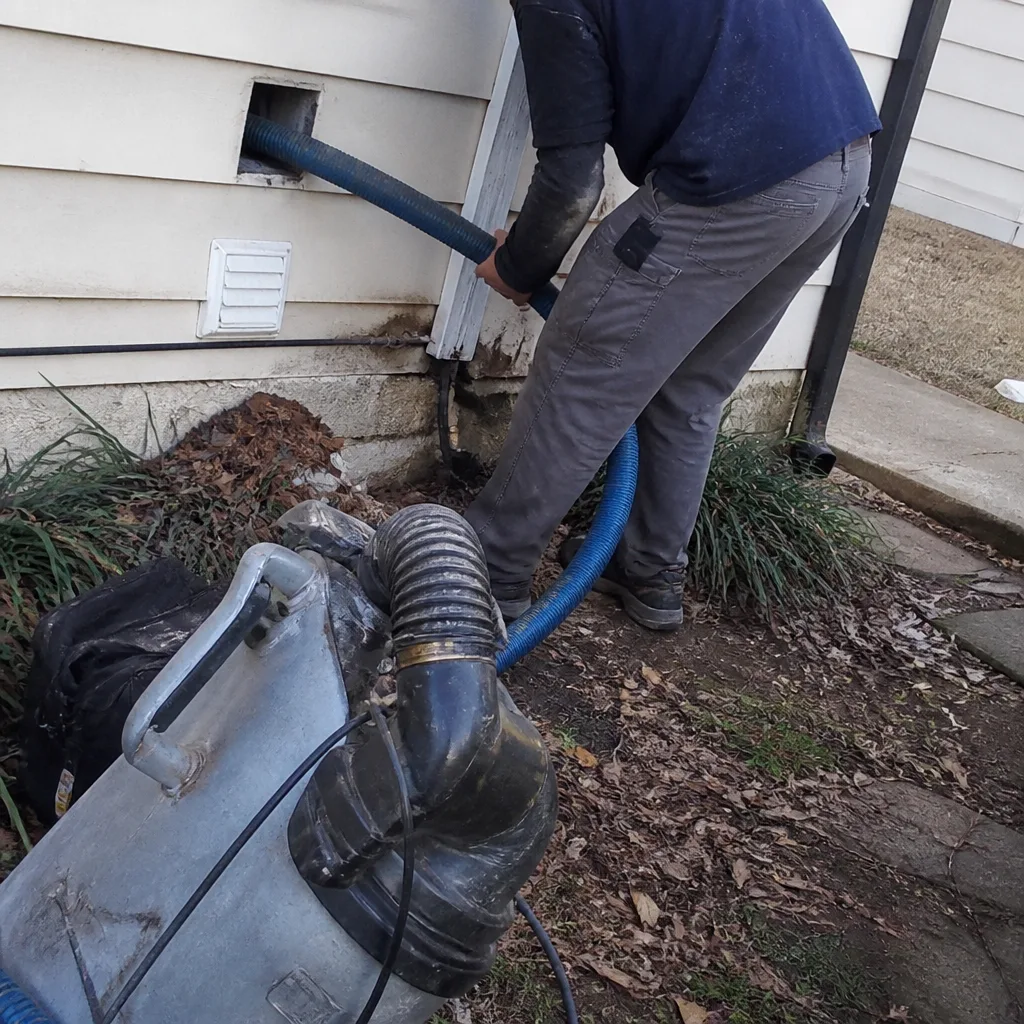 Before
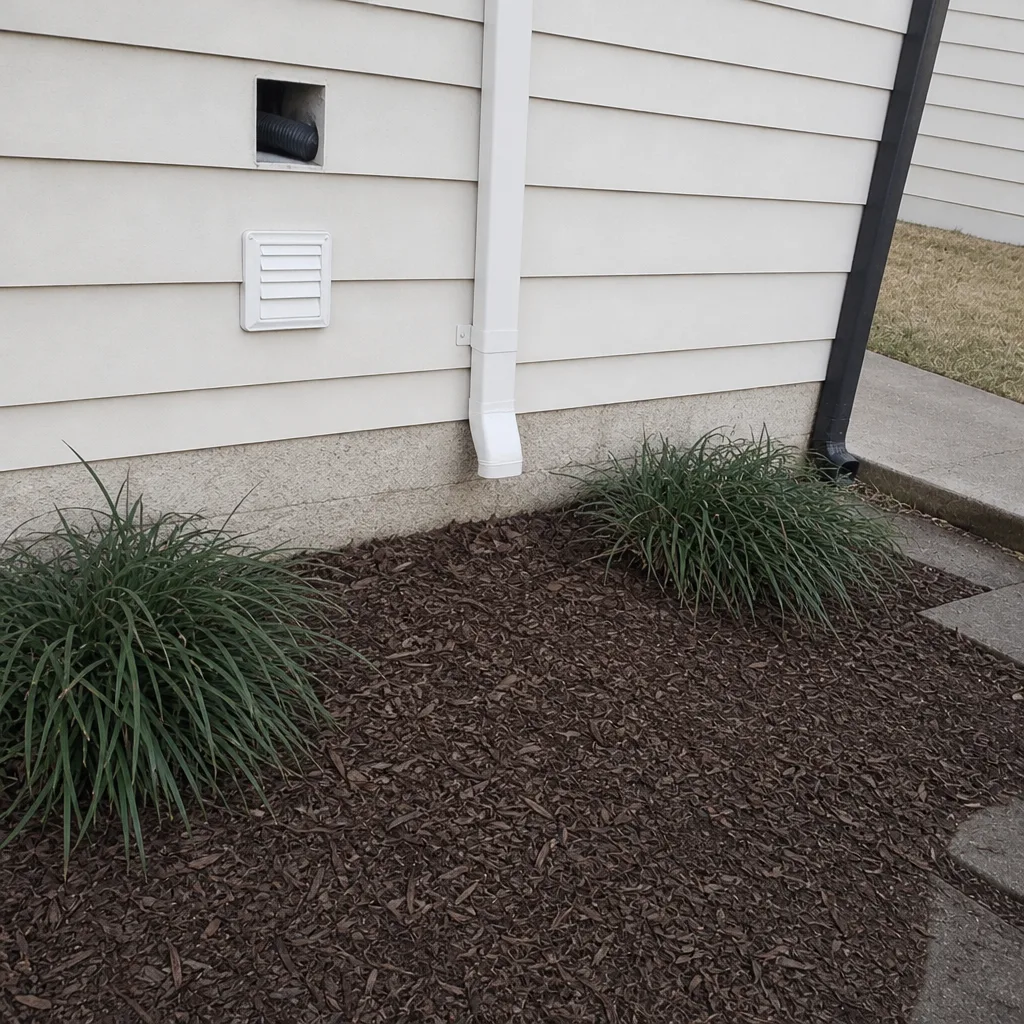 After
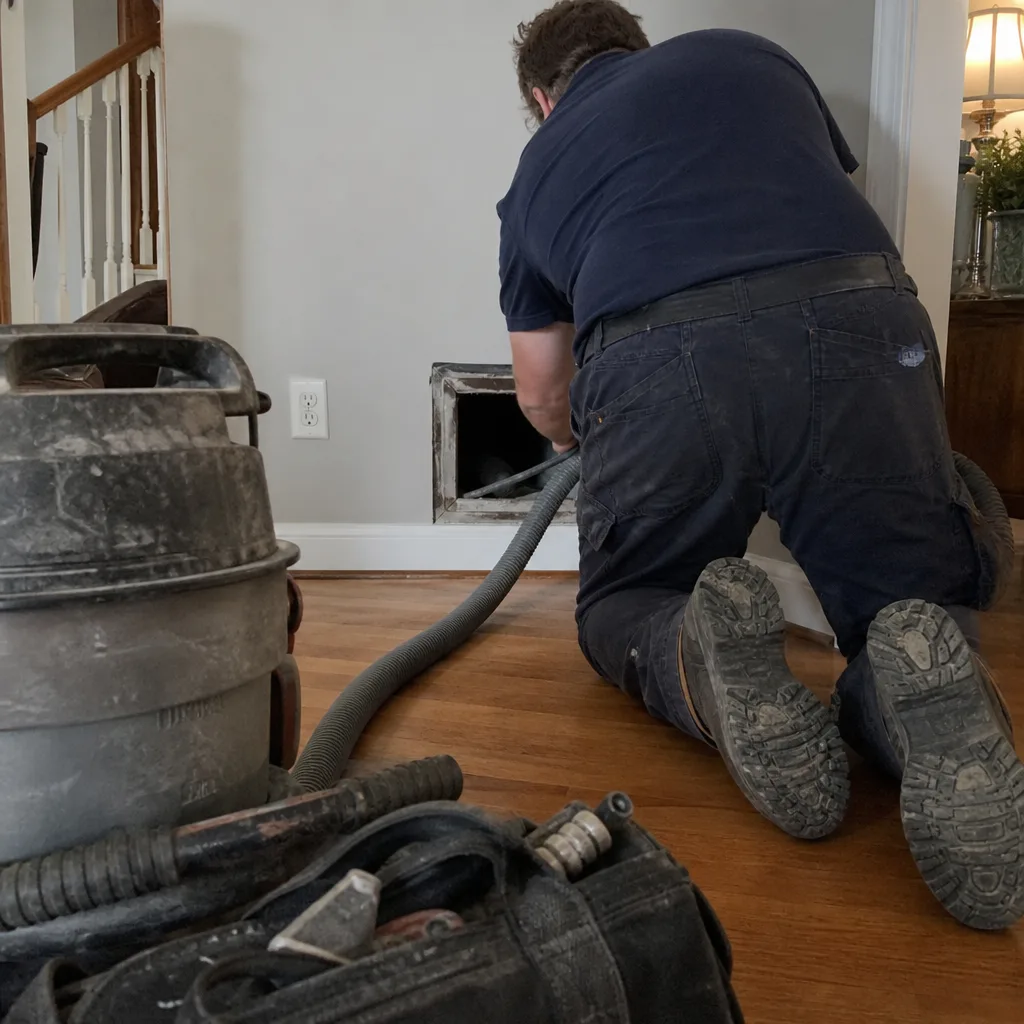 Before
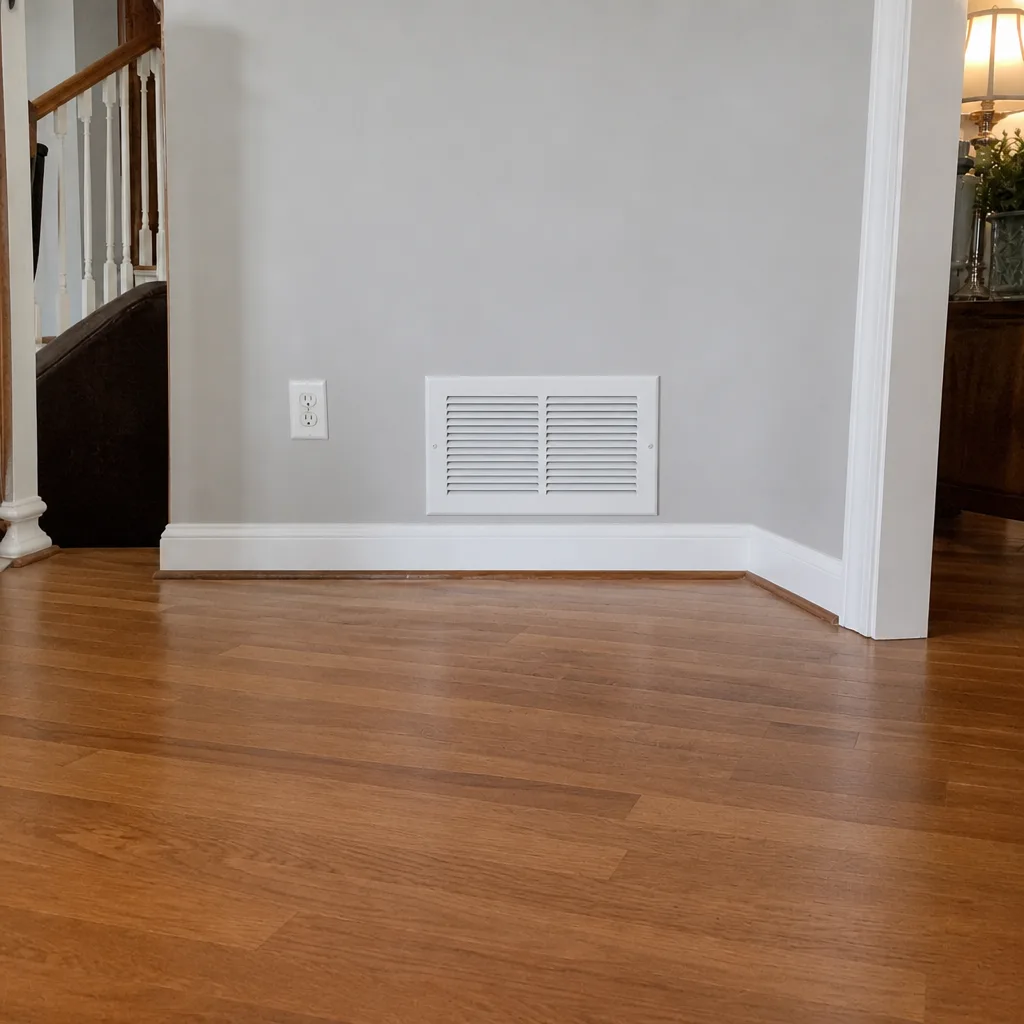 After
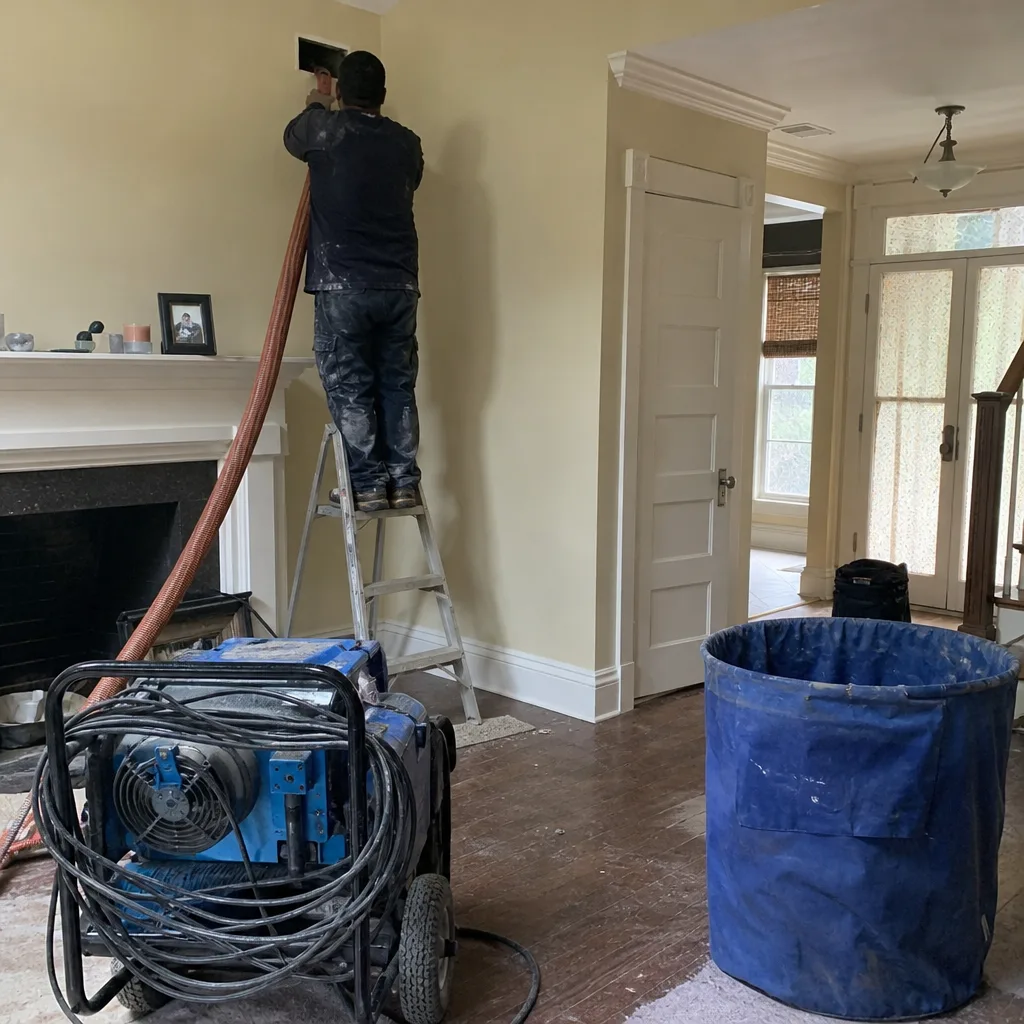 Before
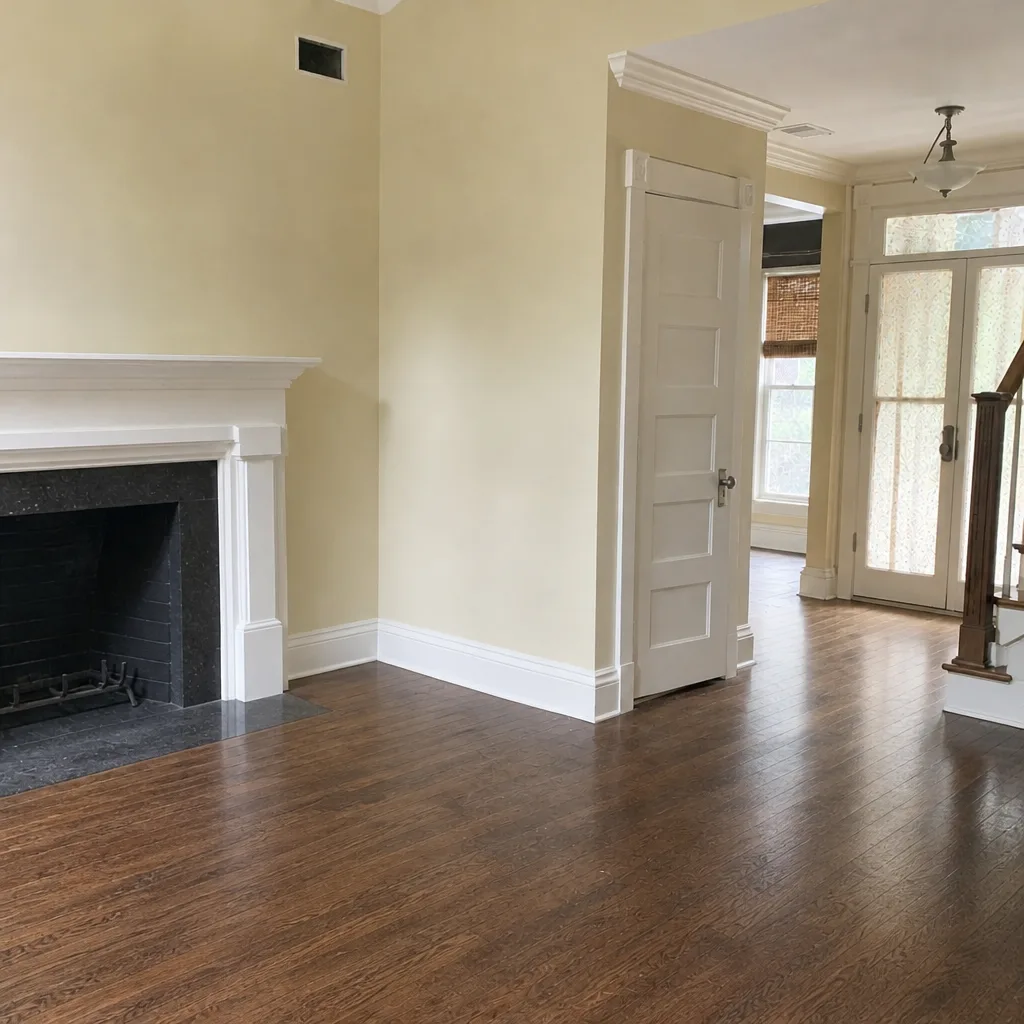 After
When to Call a Professional
Some duct problems are obvious, and some hide in the system until the bill or the smell shows up. Call a professional if you’ve had a fire of any size, water intrusion near or above ductwork, rodent activity anywhere in the home, or a major renovation. Call if a duct run was damaged, torn, or disconnected. Call if your registers show soot, debris, or moisture staining. And call if you simply don’t know when the system was last cleaned – a first inspection gives you a baseline for the future. University City Air Duct Cleaning offers free estimates in University City – call (888) 972-5826. We answer 24/7. Fast dispatch from 7am to 7pm, Sunday through Friday. The local pro is licensed and insured as their state requires, and every job is priced flat per system with the written estimate setting the final price.
Frequently Asked Questions
Air ducts should be assessed professionally before the HVAC system is restarted, and ideally cleaned within days of the fire being confirmed out. Delay lets soot and acidic residue bond more firmly to duct surfaces and absorb further into porous flex lining. Call (888) 972-5826 for an exact quote – estimates are free.
No. Duct lining and insulation can hold moisture invisibly, and microbial growth has a 48-72 hour window in wet duct material. Keep the system off and get it assessed before restarting. Call (888) 972-5826 for an exact quote – estimates are free.
Fresh droppings, new smells, gnaw marks, and increasing odor point to active activity; dry, settled debris with no new sign over weeks suggests historical contamination. Both need cleaning and sanitizing, but active problems need the source removed first. Call (888) 972-5826 for an exact quote – estimates are free.
Yes, if the renovation involved sanding drywall, cutting tile or concrete, or removing insulation. Fine construction dust settles in ductwork and bypasses standard filters, and the full system should be inspected even if registers look clean. Call (888) 972-5826 for an exact quote – estimates are free.
Photograph every register, the air handler, all accessible duct runs, the contamination itself, and the surrounding damage – plus a dated timeline of the event and when you shut the system down. Before-and-after contractor photos and any air quality readings make the claim stronger. Call (888) 972-5826 for an exact quote – estimates are free.
There’s no single schedule that fits every home, but a professional inspection every few years, and immediately after any fire, flood, pest, or renovation event, is a reasonable baseline. Homes with pets, allergy sufferers, or older flex duct benefit from more frequent checks. Call (888) 972-5826 for an exact quote – estimates are free.
The Bottom Line
Emergencies damage more than the room where they happen. Fire, water, rodents, and renovation dust all travel through the one system that touches every room in the house, and the ductwork becomes the contamination pathway if it isn’t addressed. The protocol is always the same: shut down the HVAC, document everything, fix the source, and get a professional assessment before restarting. Clean it, seal it, improve it, and keep the before-and-after photos. University City homeowners who’ve built that plan ahead of time spend far less time and money than the ones reacting in the first hour. If you’re not sure where your system stands, we’ll take a look.
Call (888) 972-5826 for a free estimate. We answer 24/7. Fast dispatch from 7am to 7pm, Sunday through Friday.
Find out more about our services, starting with University City Air Duct Cleaning, and see why professional-grade equipment and end-to-end service make the difference after an emergency.
Written by the team at University City Air Duct Cleaning.